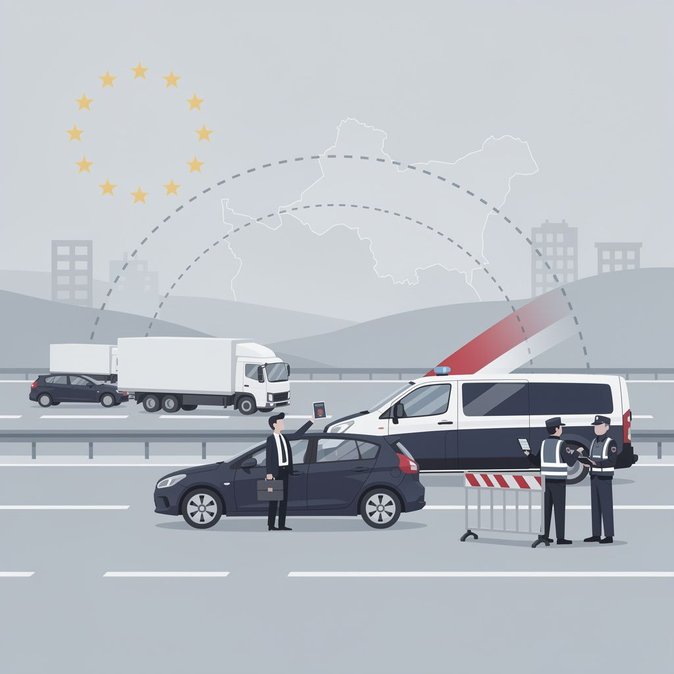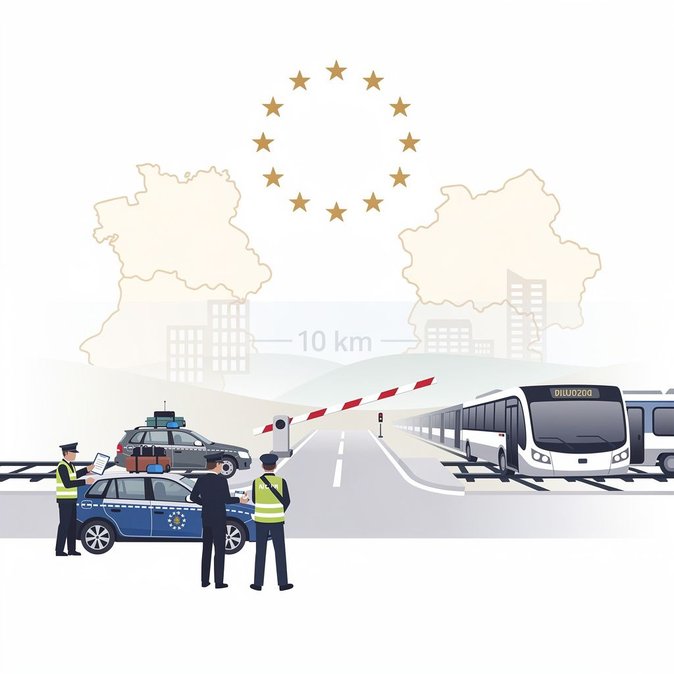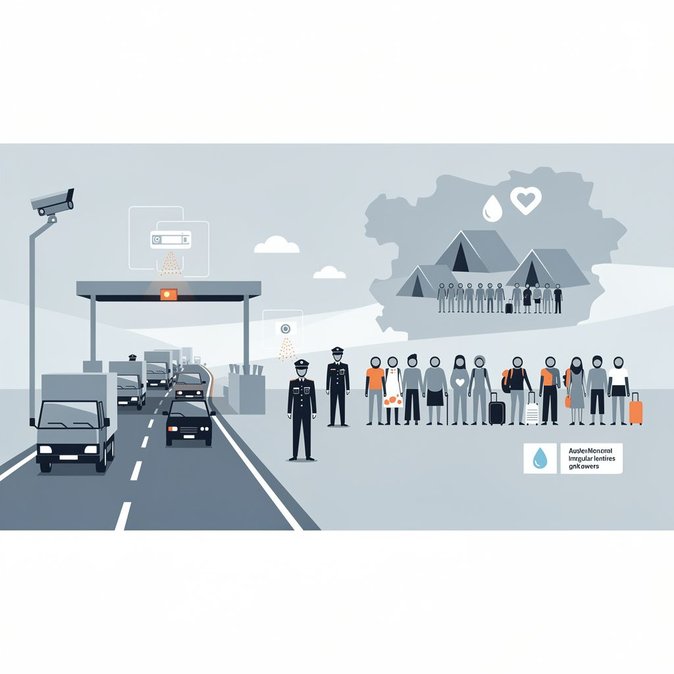
The Austrian Federal Ministry of the Interior (BMI) says its latest push against people-smuggling networks is delivering results, with the number of irregular border crossings down by almost one-third compared with the same period last year. In a statement released on Sunday, 14 June, the ministry credited joint police-military patrols along the Hungarian and Slovenian frontiers and closer intelligence sharing with Balkan partners for what it called a “massive reduction” in illicit flows. Since January, Austrian authorities have intercepted 4,900 suspected smugglers and seized 410 vehicles modified to conceal migrants, the BMI said. Many of the arrests stem from an expanded use of automatic licence-plate recognition cameras on approach roads to Vienna and Graz.
For individuals and companies needing certainty about the correct paperwork in this shifting enforcement climate, VisaHQ can be a helpful ally: the service’s Austrian portal (https://www.visahq.com/austria/) distils current entry rules, offers document checklists and enables online submission for visas ranging from short business trips to family reunification, easing a process that can otherwise feel daunting.
The ministry highlighted one recent case in which officers discovered 27 Syrian nationals crammed into a refrigerated van near Nickelsdorf; the two Ukrainian drivers now face up to ten years in prison under Austria’s anti-trafficking statutes. Interior Minister Karner argues that tougher enforcement complements—not contradicts—Austria’s demand for deeper EU-wide solidarity on asylum. “We are proving that resolute national action can go hand-in-hand with the new Migration and Asylum Pact that entered application last week,” he said, adding that Vienna will push for similar technology investments at the EU’s external borders during the next Justice and Home Affairs Council. NGOs such as Asylkoordination Österreich acknowledge the fall in arrivals but warn of humanitarian knock-on effects further south, where migrants may become stuck in makeshift camps in Serbia and Bosnia-Herzegovina. They are calling for faster, more transparent humanitarian corridors and resettlement options, especially for families from Syria and Afghanistan. For mobility managers, the clamp-down means fewer spontaneous asylum claims inside Austria’s territory but potentially longer lead times when relocating staff relatives who need humanitarian visas. The BMI insists that corporate transferees and posted workers using the Red-White-Red Card or ICT permits are unaffected; still, relocation providers advise keeping all supporting documents (employment contracts, proof of accommodation, medical insurance) readily available in case of roadside checks.

For individuals and companies needing certainty about the correct paperwork in this shifting enforcement climate, VisaHQ can be a helpful ally: the service’s Austrian portal (https://www.visahq.com/austria/) distils current entry rules, offers document checklists and enables online submission for visas ranging from short business trips to family reunification, easing a process that can otherwise feel daunting.
The ministry highlighted one recent case in which officers discovered 27 Syrian nationals crammed into a refrigerated van near Nickelsdorf; the two Ukrainian drivers now face up to ten years in prison under Austria’s anti-trafficking statutes. Interior Minister Karner argues that tougher enforcement complements—not contradicts—Austria’s demand for deeper EU-wide solidarity on asylum. “We are proving that resolute national action can go hand-in-hand with the new Migration and Asylum Pact that entered application last week,” he said, adding that Vienna will push for similar technology investments at the EU’s external borders during the next Justice and Home Affairs Council. NGOs such as Asylkoordination Österreich acknowledge the fall in arrivals but warn of humanitarian knock-on effects further south, where migrants may become stuck in makeshift camps in Serbia and Bosnia-Herzegovina. They are calling for faster, more transparent humanitarian corridors and resettlement options, especially for families from Syria and Afghanistan. For mobility managers, the clamp-down means fewer spontaneous asylum claims inside Austria’s territory but potentially longer lead times when relocating staff relatives who need humanitarian visas. The BMI insists that corporate transferees and posted workers using the Red-White-Red Card or ICT permits are unaffected; still, relocation providers advise keeping all supporting documents (employment contracts, proof of accommodation, medical insurance) readily available in case of roadside checks.