Austria has decided to keep its controversial internal Schengen controls in place until at least 15 September 2026, extending measures that were due to expire this week. Interior Minister Gerhard Karner informed Brussels of the decision late on 13 June, citing continued concerns about irregular migration along the Western Balkans route and the threat of cross-border people-smuggling networks.
If you or your organisation are unsure about current entry requirements, VisaHQ can help: the company’s Austria portal (https://www.visahq.com/austria/) provides real-time information on visas, travel documents and border formalities, and can fast-track any paperwork still required for non-EU nationals or complex itineraries.
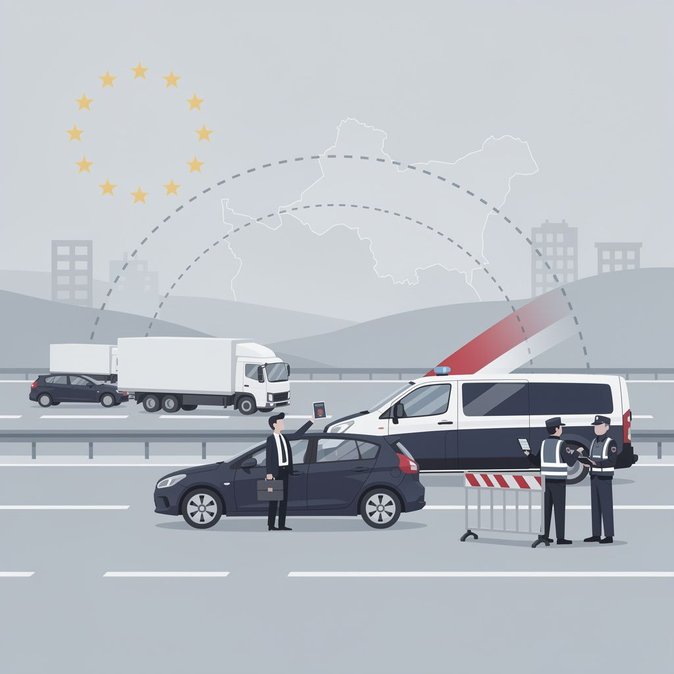
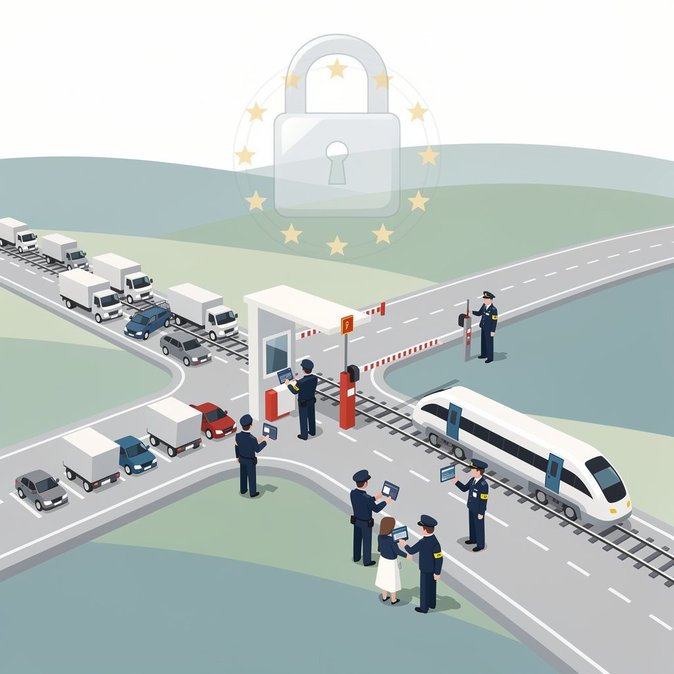
The extension means that travellers entering Austria by road or rail from Czechia, Slovakia, Hungary or Slovenia will continue to face spot checks and occasional vehicle searches. Although the controls are described as ‘risk-based’ and are carried out at mobile posts a few kilometres behind the actual frontier, logistics firms and cross-border commuters warn of rising journey times and compliance costs. According to the Czech freight association ČESMAD, waiting times for lorries on the D3 motorway at Dolní Dvořiště already average 45 minutes during morning peaks. Vienna’s move comes just two days after the European Commission issued formal opinions urging Austria and eight other Member States to phase out long-standing Schengen derogations and replace them with intelligence-led police cooperation. EU Home-Affairs Commissioner Ylva Johansson argued that ad-hoc checks, initially introduced as temporary emergency measures in 2015, now risk becoming a semi-permanent “patchwork of mini-borders” inside the Union. Austrian officials counter that the security situation has not normalised. The Interior Ministry says more than 18,400 irregular entries were detected on the country’s eastern flank in the first five months of 2026—down 28 % on last year but still “unacceptably high.” Vienna also points to recent arrests of suspected jihadist returnees in neighbouring Germany as justification for continued vigilance. For business travellers and globally mobile staff, the practical advice remains the same: carry passports or national ID cards, allow extra time on road and rail corridors into Austria, and be prepared for questions about travel purpose and accommodation. Companies running ‘milk-run’ supply chains through Central Europe may want to review delivery timetables or shift more freight onto air and sea routes during the summer peak.
If you or your organisation are unsure about current entry requirements, VisaHQ can help: the company’s Austria portal (https://www.visahq.com/austria/) provides real-time information on visas, travel documents and border formalities, and can fast-track any paperwork still required for non-EU nationals or complex itineraries.
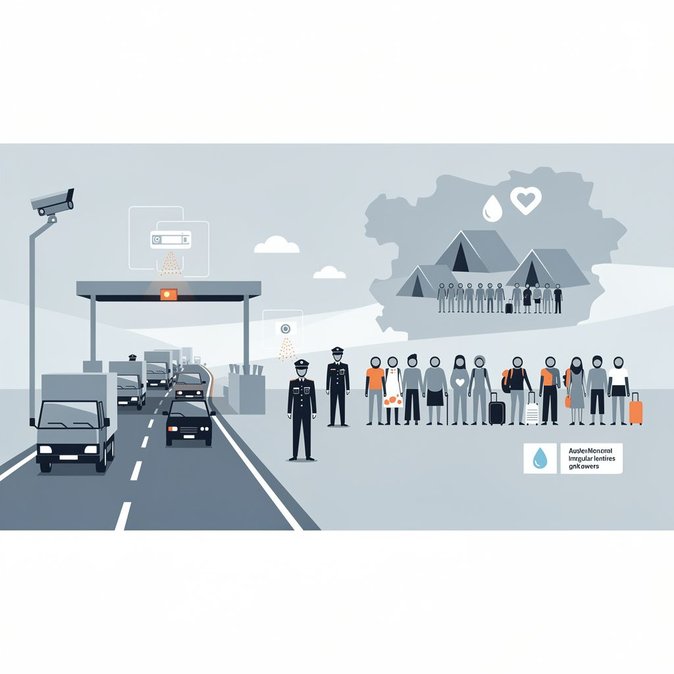
The extension means that travellers entering Austria by road or rail from Czechia, Slovakia, Hungary or Slovenia will continue to face spot checks and occasional vehicle searches. Although the controls are described as ‘risk-based’ and are carried out at mobile posts a few kilometres behind the actual frontier, logistics firms and cross-border commuters warn of rising journey times and compliance costs. According to the Czech freight association ČESMAD, waiting times for lorries on the D3 motorway at Dolní Dvořiště already average 45 minutes during morning peaks. Vienna’s move comes just two days after the European Commission issued formal opinions urging Austria and eight other Member States to phase out long-standing Schengen derogations and replace them with intelligence-led police cooperation. EU Home-Affairs Commissioner Ylva Johansson argued that ad-hoc checks, initially introduced as temporary emergency measures in 2015, now risk becoming a semi-permanent “patchwork of mini-borders” inside the Union. Austrian officials counter that the security situation has not normalised. The Interior Ministry says more than 18,400 irregular entries were detected on the country’s eastern flank in the first five months of 2026—down 28 % on last year but still “unacceptably high.” Vienna also points to recent arrests of suspected jihadist returnees in neighbouring Germany as justification for continued vigilance. For business travellers and globally mobile staff, the practical advice remains the same: carry passports or national ID cards, allow extra time on road and rail corridors into Austria, and be prepared for questions about travel purpose and accommodation. Companies running ‘milk-run’ supply chains through Central Europe may want to review delivery timetables or shift more freight onto air and sea routes during the summer peak.