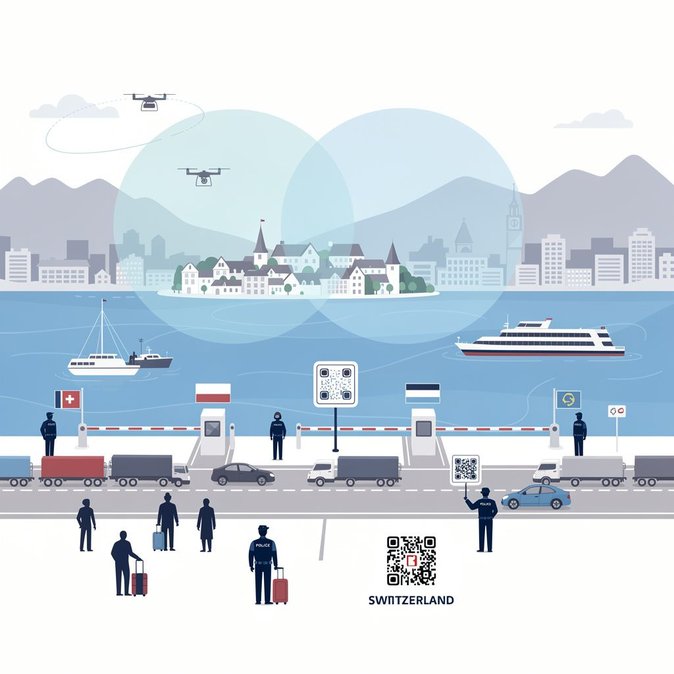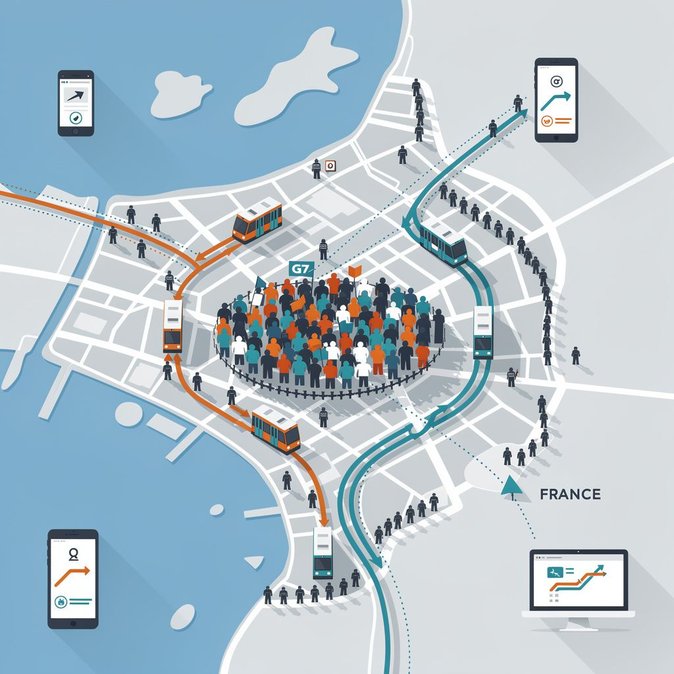
Five years after it was first tabled, the European Union’s Migration and Asylum Pact formally entered into force on 12 June. Within 48 hours France issued Décret 2026-454, a 135-page text that rewrites large sections of the Code de l’entrée et du séjour des étrangers et du droit d’asile (CESEDA) to align national procedures with the new EU rules. For employers the headline change is the creation of a single, standardised “screening” at external borders that captures biometrics, health data and security-risk indicators in less than 60 minutes. Third-country nationals who pass the screening but need further checks will be channelled into an accelerated asylum procedure capped at 12 weeks. The decree tasks the French Office for Immigration and Integration (OFII) with staffing border posts and issuing “proof-of-lodging” attestations—documents frequently required by assignees on short-notice moves.
For organisations navigating these tighter documentary requirements, specialist visa platforms such as VisaHQ can streamline the process of securing an attestation de l’hébergement, arranging short-stay Schengen visas or obtaining supplementary health-insurance letters. Their France portal (https://www.visahq.com/france/) provides step-by-step checklists, live chat with compliance experts and automated reminders that integrate with HR mobility calendars, helping companies avoid last-minute border delays and stay ahead of new EU obligations.
The Pact also hard-codes a solidarity mechanism: France must either accept relocations from frontline states (Greece, Italy, Spain) or pay a compensatory fee of €20 000 per non-admitted migrant. Corporate relocation managers should expect periodic spikes in regional accommodation pressure when relocation quotas are triggered; the decree allows prefectures to requisition vacant hotel rooms and student residences at 24-hours’ notice. Of equal importance is data. All decisions under the new regime will be logged in the Eurodac 2.0 platform, giving border guards and labour-inspection services near-instant visibility into a traveller’s prior asylum history anywhere in the EU. Companies sponsoring work permits must therefore ensure that any previous Schengen overstays or asylum claims by their assignees are fully disclosed; non-compliance can now be detected automatically. The French government has opened a public hotline until 30 July for comments on the decree’s practical impact. HR departments are encouraged to monitor the OFII website for sub-regulatory guidance—particularly on acceptable proof of accommodation and health-insurance coverage—expected before the busy September relocation season.
For organisations navigating these tighter documentary requirements, specialist visa platforms such as VisaHQ can streamline the process of securing an attestation de l’hébergement, arranging short-stay Schengen visas or obtaining supplementary health-insurance letters. Their France portal (https://www.visahq.com/france/) provides step-by-step checklists, live chat with compliance experts and automated reminders that integrate with HR mobility calendars, helping companies avoid last-minute border delays and stay ahead of new EU obligations.
The Pact also hard-codes a solidarity mechanism: France must either accept relocations from frontline states (Greece, Italy, Spain) or pay a compensatory fee of €20 000 per non-admitted migrant. Corporate relocation managers should expect periodic spikes in regional accommodation pressure when relocation quotas are triggered; the decree allows prefectures to requisition vacant hotel rooms and student residences at 24-hours’ notice. Of equal importance is data. All decisions under the new regime will be logged in the Eurodac 2.0 platform, giving border guards and labour-inspection services near-instant visibility into a traveller’s prior asylum history anywhere in the EU. Companies sponsoring work permits must therefore ensure that any previous Schengen overstays or asylum claims by their assignees are fully disclosed; non-compliance can now be detected automatically. The French government has opened a public hotline until 30 July for comments on the decree’s practical impact. HR departments are encouraged to monitor the OFII website for sub-regulatory guidance—particularly on acceptable proof of accommodation and health-insurance coverage—expected before the busy September relocation season.