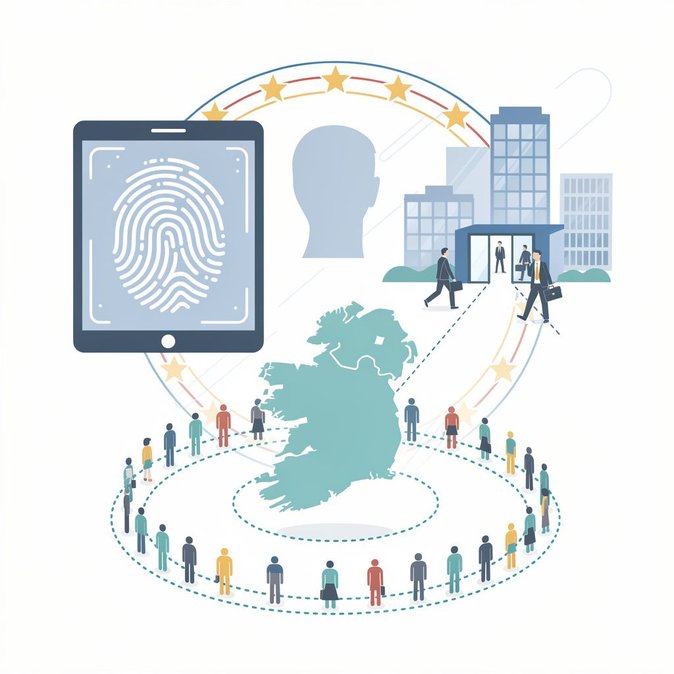
The European Union’s long-negotiated Pact on Migration and Asylum formally entered into application on 12 June, but business media continued to dissect its implications on 15 June as member states—including Ireland—began rolling out the first operational measures. Business Standard’s briefing outlines mandatory screening for all irregular arrivals, accelerated border-procedure asylum decisions and a solidarity mechanism that obliges each EU country to share the burden of relocation or financial support. For Ireland, which handles most non-visa travel through Dublin Airport and the UK land border, the pact means building capacity to complete identity, security and vulnerability checks within seven days at external borders—or within three days for migrants found inland. The Department of Justice has already indicated that Eurodac biometric upgrades at Dublin and Shannon will go live in Q3 2026, while the International Protection Office is hiring 120 additional case-workers to meet the pact’s stricter decision timelines. Corporate immigration advisers note that legitimate travellers—tourists, students and intracompany transferees—should see little immediate change, but overstayers and humanitarian applicants will move through a far faster, more rules-driven system. That could reduce the window during which employers can regularise the status of project-based contractors who lapse into irregularity. The pact also introduces an obligation for member states to contribute to relocations from frontline countries or pay into a common fund. Although Ireland is not part of Schengen, it has opted into most of the justice portfolio and is expected to pledge both funding and a limited number of relocation places. Companies involved in refugee-sponsorship schemes should watch how Ireland sets its annual intake caps under the new solidarity formula. Finally, the reforms tighten return procedures for migrants whose claims are rejected—something that may affect employers who continue to sponsor workers after a failed protection application. Global-mobility teams should review pending cases and ensure that any employees transitioning from asylum to work status have definitive, documented permission before the accelerated timelines take force.
Source: Business Standard
How VisaHQ can help
VisaHQ simplifies the visa application process for individuals and businesses. Check current travel requirements, prepare the required documents and manage your application online through the VisaHQ Ireland portal.More From Ireland
View all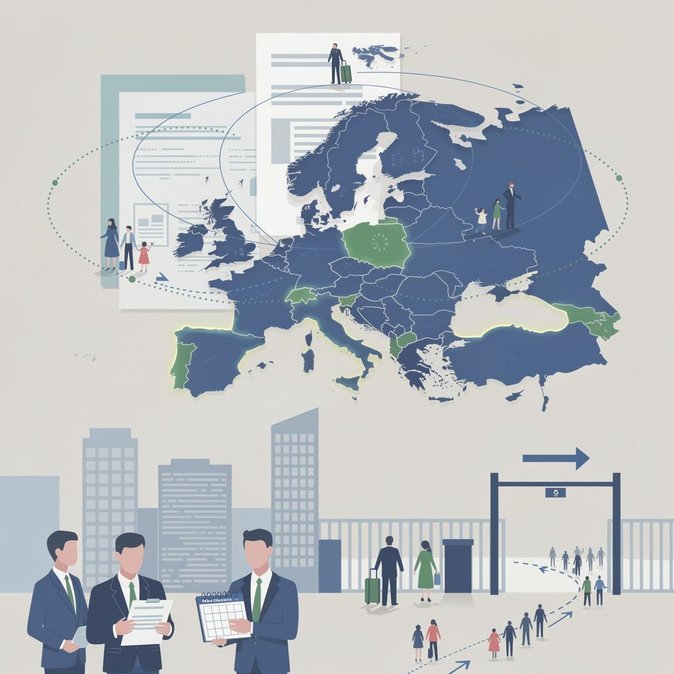
EU Migration & Asylum Pact takes effect – Irish employers urged to audit mobility programmes
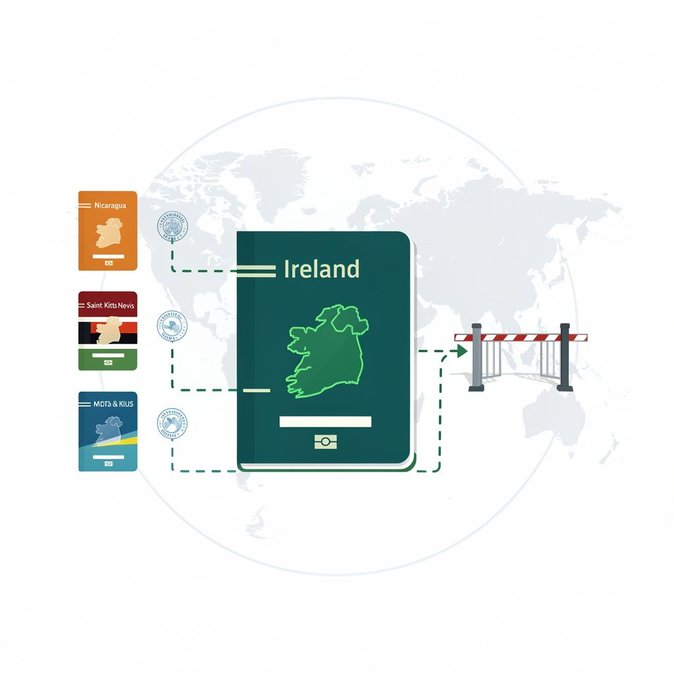
Ireland imposes visa requirement on Nicaragua, Saint Kitts & Nevis and Saint Lucia nationals from 15 June