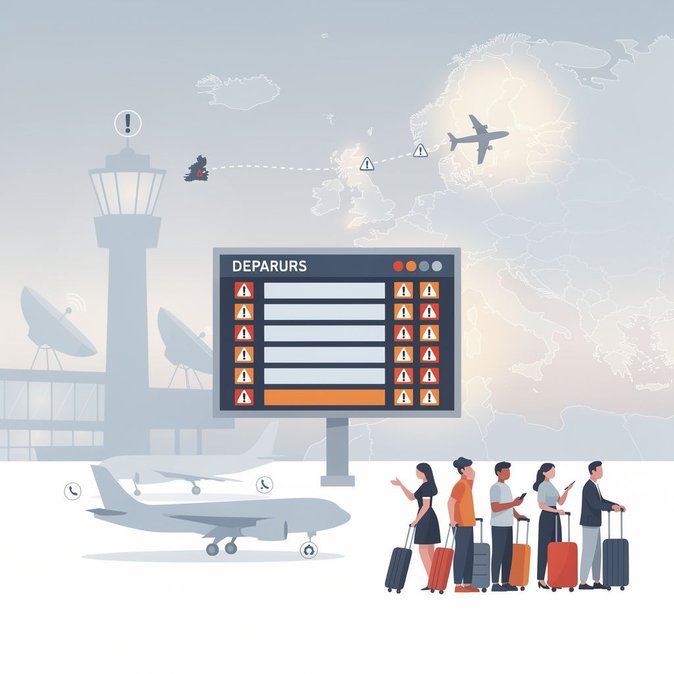
Irish travellers are bracing for a turbulent start to the school holidays after unions across Europe announced a fresh round of transport strikes. An overview published on 14 June by IrishCentral lists at least five major actions between now and early July, including a ground-staff shutdown at all Paris airports on 18 June and a nationwide handling strike in Italy on 26 June. Spain’s rolling air-traffic-control dispute shows no sign of easing, with the SAERCO union extending industrial action through 30 June. Data from Dublin Airport indicate that more than 250 flights a week currently operate to Spanish destinations, meaning any escalation could strand thousands of Irish tourists. Ryanair has already warned passengers of possible same-day cancellations if minimum-service guarantees are not met. Travel-risk consultants HRG Ireland advise corporate mobility teams to map traveller itineraries against confirmed strike dates and to pre-book contingency hotel rooms in hub cities such as Paris and Milan, where last-minute availability evaporates quickly during walkouts. Under EU Regulation 261/2004, airlines must offer re-routing or refunds, but strike-related disruption is classed as an ‘extraordinary circumstance’, so cash compensation is unlikely. Insurance brokers say demand for ‘missed-connection’ cover has spiked 40 % month-on-month. Policies arranged after a strike is publicly announced usually exclude claims linked to that event, so employers should act swiftly. Immigration advisers also remind travellers heading to non-EU Schengen states via Paris or Madrid that overstays caused by delays still count towards the 90/180-day rule. Passenger-rights NGOs have renewed calls for a compulsory service-continuity framework, arguing that repeated strikes disproportionately affect peripheral markets such as Ireland, where alternative rail links do not exist. The European Commission is expected to consult on minimum air-traffic-control staffing levels later this year.
Source: IrishCentral
How VisaHQ can help
VisaHQ simplifies the visa application process for individuals and businesses. Check current travel requirements, prepare the required documents and manage your application online through the VisaHQ Ireland portal.More From Ireland
View all
EU Migration & Asylum Pact takes effect – Irish employers urged to audit mobility programmes
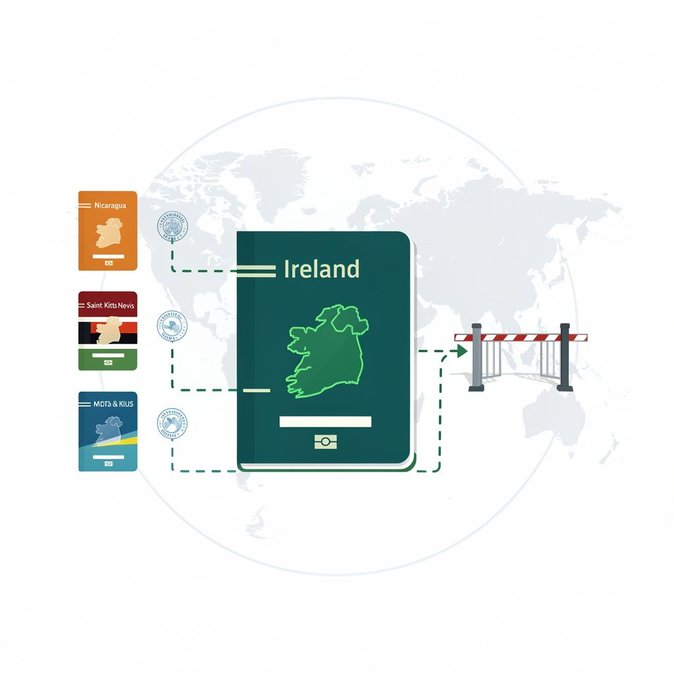
Ireland imposes visa requirement on Nicaragua, Saint Kitts & Nevis and Saint Lucia nationals from 15 June