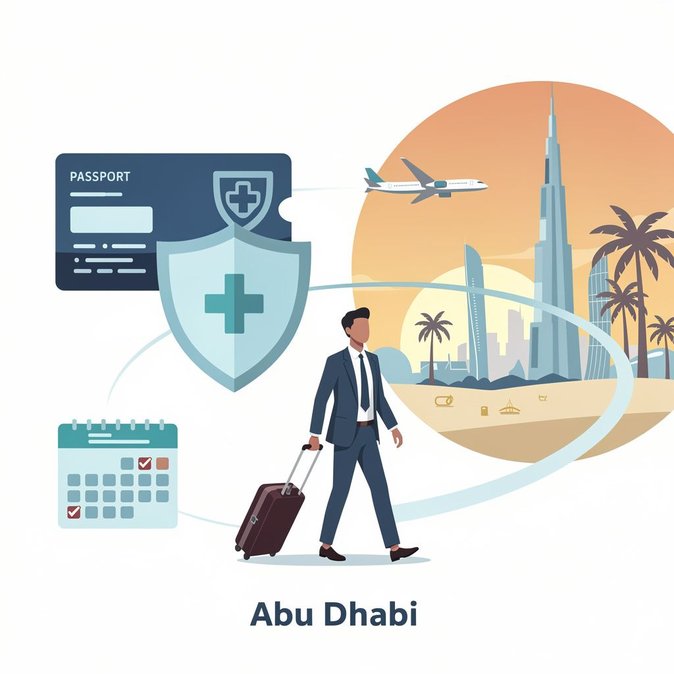
Abu Dhabi has doubled down on its strategy of converting transits into stopovers. In a joint announcement on 17 June 2026, Etihad Airways and the Department of Culture and Tourism – Abu Dhabi (DCT Abu Dhabi) unveiled an automated medical-insurance scheme that is embedded in all tickets sold outside the UAE for travel to the capital. The policy, underwritten by Daman, activates on arrival and covers emergency medical treatment for up to 15 days anywhere in the Emirates until 31 December 2026. No application or additional payment is required; eligibility is determined by the passenger’s point of sale and the fact that the itinerary includes an Etihad-operated flight into Abu Dhabi. Travellers who book the airline’s free Stopover Programme—allowing a multi-night stay in the city between onward connections—are also protected for the duration of their visit. For Abu Dhabi, the scheme is a tourism-promotion tool dressed as traveller welfare. The emirate has lagged Dubai in visitor numbers since regional tensions erupted in February, and officials admit that lingering concerns over healthcare access and war-zone insurance exclusions have dented conversion rates. By absorbing the risk on behalf of visitors, DCT Abu Dhabi hopes to tip the scales in favour of spontaneous trips and conference bids. From the standpoint of global-mobility and relocation managers the free cover is substantial. It removes a cost item that companies often have to bear for short-term assignees and project teams, and it simplifies visa-support letters because proof of medical insurance—normally mandatory for visit visas—is now bundled with the air ticket. The coverage is capped (benefits have not been published but are expected to mirror Daman’s standard international visitor plan) and does not extend to pre-existing conditions, so long-term assignees will still need separate policies. Practically, employers should update traveller briefings: passengers must keep a copy of their e-ticket and boarding pass as proof of insurance, and claims are filed directly with Daman via a dedicated portal. The policy is secondary to any other insurance the traveller may hold, so employees should be instructed to disclose Etihad/DCT coverage when seeking reimbursements.
Source: Business Traveller