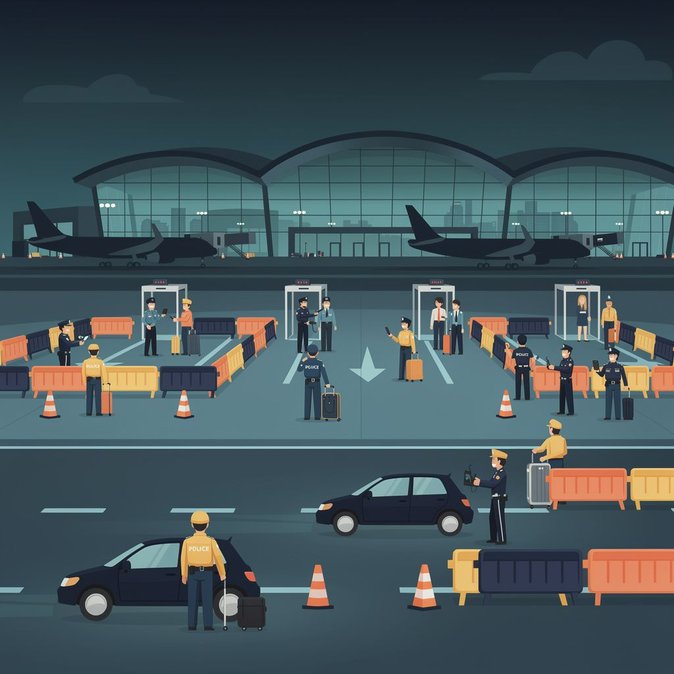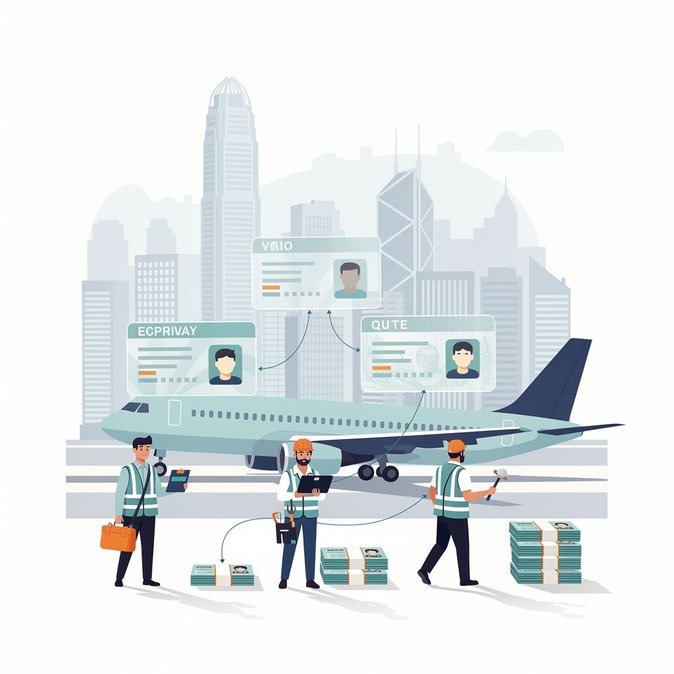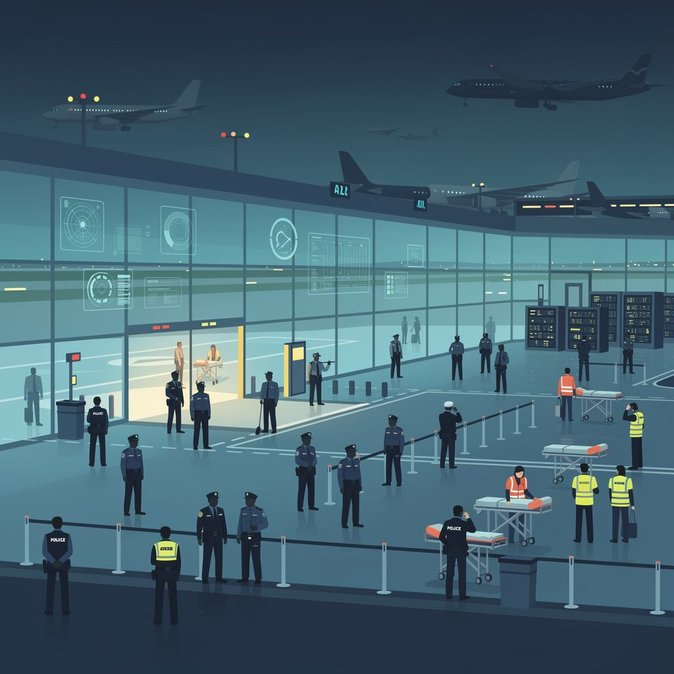
More than 1,400 officers staged an overnight counter-terrorism and major-incident exercise at Hong Kong International Airport (HKIA) from 16–17 June under the codename “Securewall”. The drill — which doubled as the Airport Authority’s biennial ‘Carcanet’ exercise — rehearsed scenarios ranging from a coordinated gun-and-bomb attack at the arrival hall to a terminal-wide power failure and mass-casualty evacuation. Immigration and Customs officers practised switching all manned counters to emergency ‘single-direction’ modes so that inbound passengers could be ushered landside within 15 minutes, freeing space for triage. Separately, airline ground-handlers trialled a cloud-based manifest tracing tool that pushes real-time passenger data to rescue teams via satellite links in the event airport fibre links are cut. Officials said the timing of Securewall was deliberate: HKIA will host several large-scale air-services conferences and the World Aviation Security Summit later this year, events that will draw hundreds of foreign delegates. “The objective is to certify that every agency — from baggage screeners to fire crews — can operate in lock-step,” Police Assistant Commissioner Joe Chan told reporters at first light on Wednesday. From a mobility perspective, the exercise offers reassurance to corporations sending staff through one of Asia’s busiest hubs, but it also foreshadows short-notice security escalations during conference season. Travel managers should remind assignees to allow extra processing time and keep device batteries above 50 % so they can load digital boarding passes even if terminal power is lost. No flights were cancelled, but some early-morning departures used remote stands to keep piers free for the drill — a reminder that contingency planning may impact lounge access and connection windows.
Source: China Daily Asia