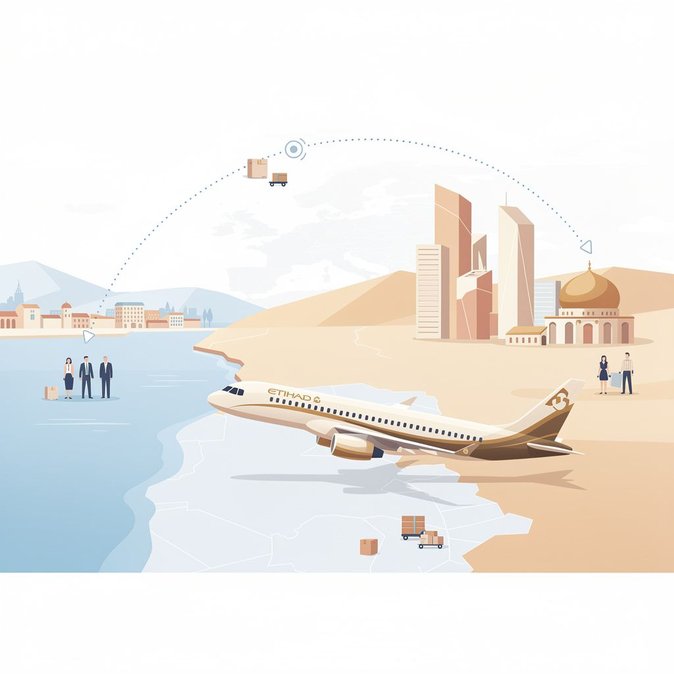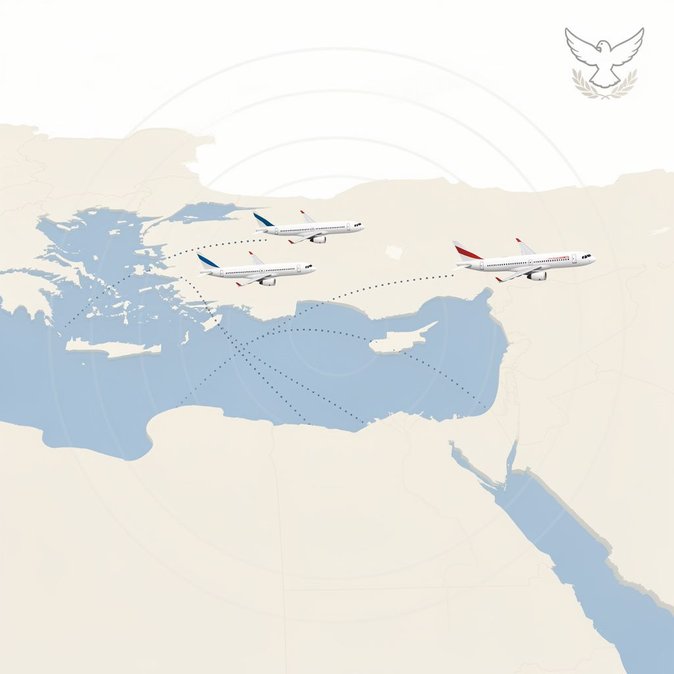
Security consultancy Solace Global reported on 19 June 2026 that commercial airspace over Jordan, Saudi Arabia, Kuwait, Bahrain, Qatar, the UAE and Oman is now open following the 17 June electronic signing of a US-Iran Memorandum of Understanding extending the regional ceasefire. Although a formal signing ceremony slated for 19 June in Switzerland was postponed, operational risk levels have eased enough for aviation regulators to lift most flight restrictions. For UAE-based carriers, the reopening caps four months of rolling reroutes and altitude caps that added up to 40 minutes to Europe-bound flight times. Emirates, Etihad and flydubai began restoring direct routings across the Strait of Hormuz corridor over the weekend, slashing fuel burn and enabling tighter aircraft turn-times.
To help organisations and individual travellers take advantage of these newly re-opened routes, VisaHQ provides fast, reliable visa processing and real-time entry guidance for the United Arab Emirates and neighbouring Gulf states. Its online platform (https://www.visahq.com/united-arab-emirates/) aggregates the latest requirements, fees and lead times, ensuring passengers can board reinstated flights with the correct documentation and without last-minute surprises.
The UK Foreign, Commonwealth & Development Office simultaneously downgraded its travel advisories for the Gulf, a move expected to unlock corporate-travel insurance coverage that had been suspended under “high-risk” classifications. Nevertheless, Solace cautions that the ceasefire remains fragile. Clause-five of the MoU grants a 60-day negotiation window on Iran’s nuclear programme; failure could trigger the reinstatement of US naval interdictions and renewed drone strikes. Companies operating mobility programmes in the Gulf should keep crisis-management protocols on standby and verify that travellers remain subscribed to real-time security-alert platforms. The UAE’s General Civil Aviation Authority has advised operators to file contingency flight plans that can be activated within two hours should conflict flare again. Travel managers should brief employees accordingly and maintain flexible ticketing policies.
To help organisations and individual travellers take advantage of these newly re-opened routes, VisaHQ provides fast, reliable visa processing and real-time entry guidance for the United Arab Emirates and neighbouring Gulf states. Its online platform (https://www.visahq.com/united-arab-emirates/) aggregates the latest requirements, fees and lead times, ensuring passengers can board reinstated flights with the correct documentation and without last-minute surprises.
The UK Foreign, Commonwealth & Development Office simultaneously downgraded its travel advisories for the Gulf, a move expected to unlock corporate-travel insurance coverage that had been suspended under “high-risk” classifications. Nevertheless, Solace cautions that the ceasefire remains fragile. Clause-five of the MoU grants a 60-day negotiation window on Iran’s nuclear programme; failure could trigger the reinstatement of US naval interdictions and renewed drone strikes. Companies operating mobility programmes in the Gulf should keep crisis-management protocols on standby and verify that travellers remain subscribed to real-time security-alert platforms. The UAE’s General Civil Aviation Authority has advised operators to file contingency flight plans that can be activated within two hours should conflict flare again. Travel managers should brief employees accordingly and maintain flexible ticketing policies.