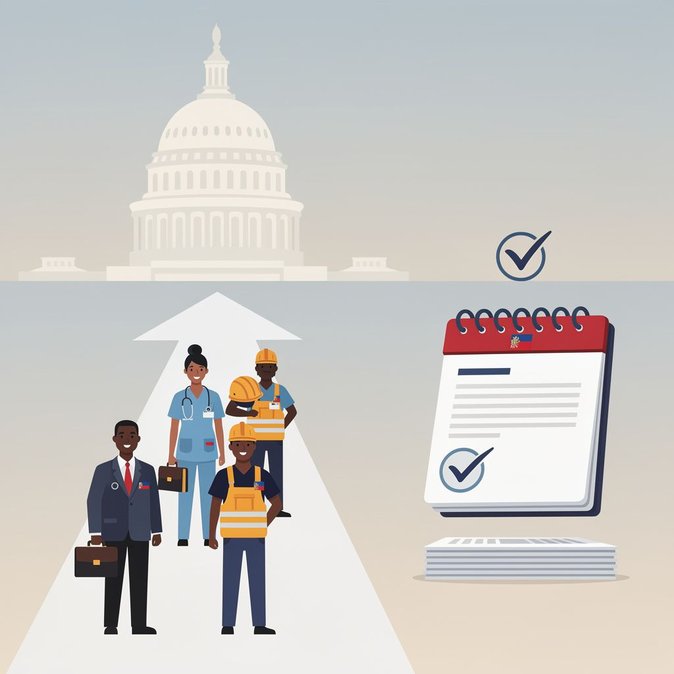
Corporate immigration teams received long-awaited good news when a Rhode Island federal court on June 5 vacated four internal USCIS policies that had frozen most benefits applications filed by nationals of nearly 40 “travel-ban” countries. USCIS publicly acknowledged the ruling on June 11—but two weeks later, practitioners report that real-world processing times remain stalled. Writing on 19 June, Duane Morris partner M. Alejandra Vargas noted that employers have yet to see “meaningful swings in adjudication speed” for H-1B transfers, L-1 extensions, and adjustment-of-status cases caught in the now-defunct “Global Asylum Hold,” “Benefits Hold,” “Comprehensive Re-Review,” and “Country-Specific Factors” programs. The agency’s public statement gives applicants leverage, she said, but it does not automatically restart long-paused files. For premium-processing cases, Vargas recommends emailing the service-center unit that handles the 15-day clock and citing the vacatur. For standard cases—where published processing times are already outdated—congressional liaison inquiries and even mandamus litigation may be necessary. The stakes are high for multinational employers. Hundreds of executives on L-1 visas and STEM graduates on cap-gap OPT remain in limbo; green-card sponsorship timelines are slipping, adding costs and risking talent attrition. Companies should triage backlogged matters now, assemble evidence of continued harm, and prepare to escalate if USCIS does not begin issuing decisions in the coming weeks. Meanwhile, the government has appealed the Dorcas decision to the First Circuit but has not sought a stay—meaning the vacatur technically applies nationwide. Unless the appeals court intervenes, USCIS is legally obliged to resume normal adjudications, and practitioners will be watching July data closely for signs of compliance.