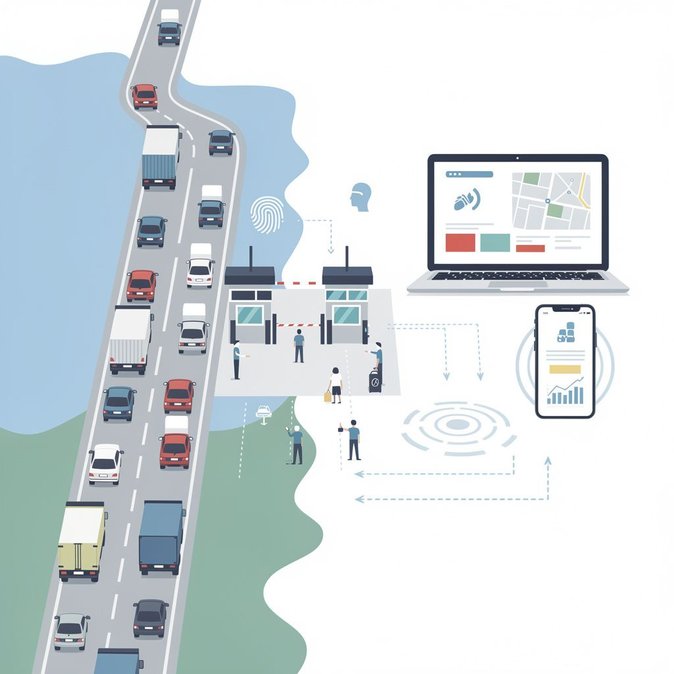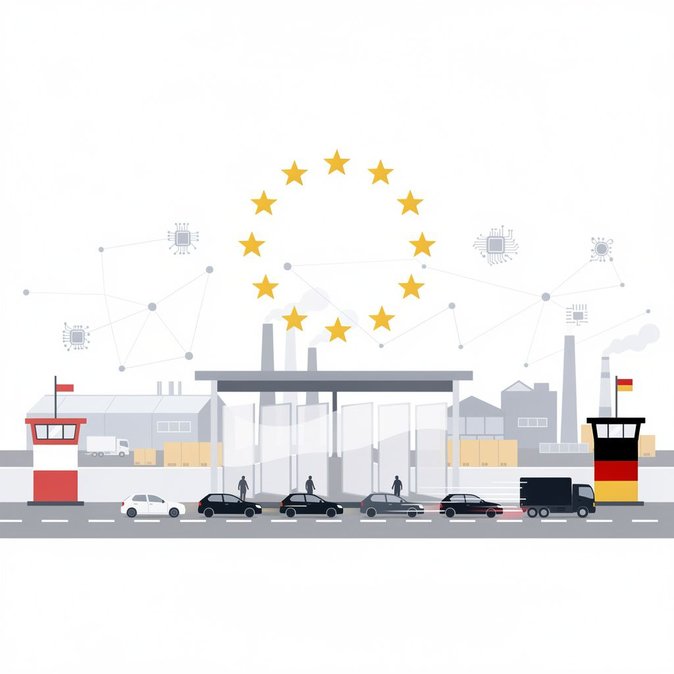
As the six-month cycle of temporary internal border controls reaches its statutory limit today, 21 June, the European Commission has repeated its call for Poland, Germany and seven other Schengen members to draw up exit strategies for the checks they reinstated in 2024. A Commission communication circulated to national home-affairs ministries cites a 40 % drop in irregular entries at the EU’s external frontiers this year and the rollout of digital border systems such as EES as reasons the extraordinary measures “can no longer be justified on a permanent basis.”
For businesses and travellers preparing for the possible phase-out of ID checks, services like VisaHQ can simplify the paperwork that may still be required—for example, when non-EU drivers or third-country technicians need Schengen visas, residence permits or transit documents. Their Poland portal (https://www.visahq.com/poland/) offers step-by-step guidance, online application tools and courier options that cut waiting times, ensuring hauliers and cross-border staff remain compliant while the rules continue to evolve.
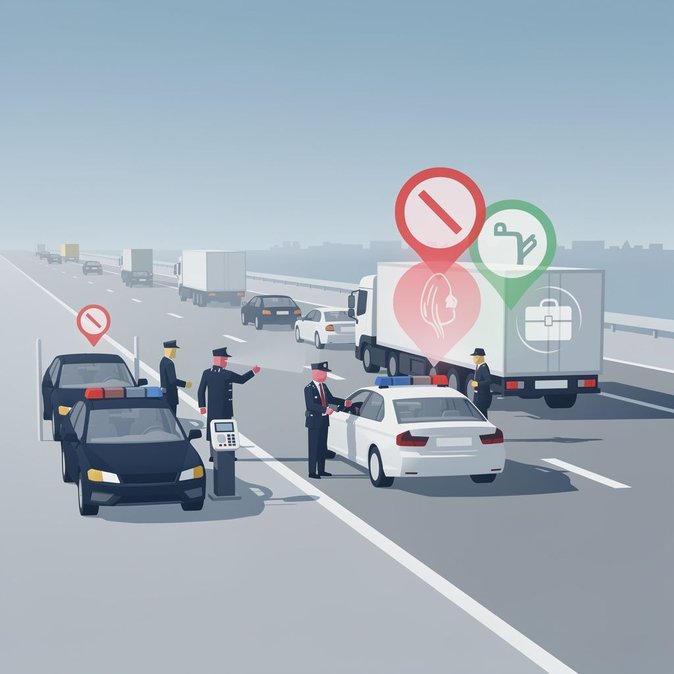
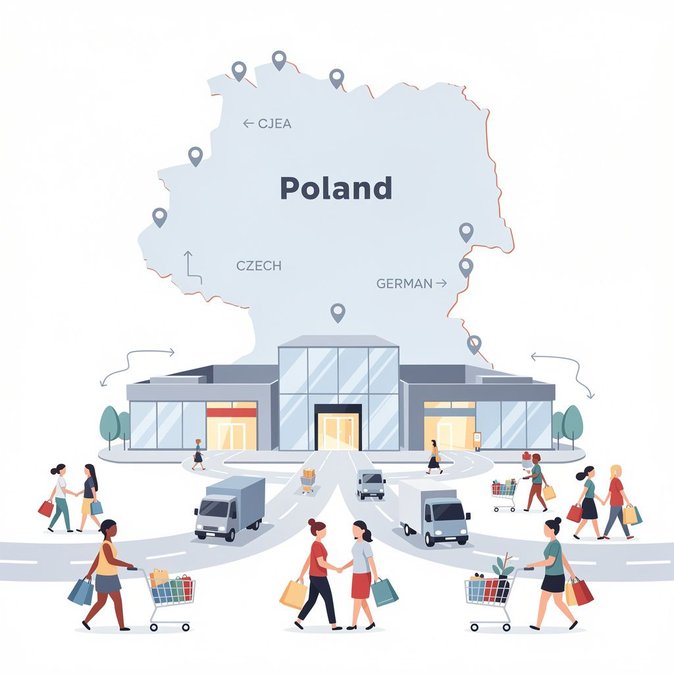
Poland reintroduced controls on its borders with Germany and Lithuania in July 2025, arguing that Moscow-backed smuggling networks operating through Belarus posed an acute hybrid threat. Warsaw has renewed the measure every two months since, conducting spot ID inspections up to 15 km inside the frontier. While the Tusk government insists the checks are proportionate, hauliers complain of delays that add €80–€120 to the average Warsaw–Berlin truck run. The Commission’s letter—seen by Trans.info—asks Poland to submit, by 30 September, a risk-based timetable for winding down the controls or replacing them with mobile police patrols and automatic number-plate recognition. It also offers €12 million from the Internal Security Fund for technology that would allow officers to scan biometric IDs without stopping every vehicle. Industry groups welcomed the pressure. The Polish-German Chamber of Commerce estimates that full restoration of passport-free travel on the Oder–Neisse would shave at least 20 minutes off cross-border commutes for the 25 000 frontier workers employed in logistics and manufacturing clusters on both sides. Failure to comply could see Poland queried in the Schengen Council this autumn, although Brussels has so far avoided triggering infringement proceedings. The Interior Ministry in Warsaw said it would “analyse the Commission’s opinion carefully” but stressed that any relaxation “cannot compromise national security at a time of continuing Russian aggression against Ukraine.”
For businesses and travellers preparing for the possible phase-out of ID checks, services like VisaHQ can simplify the paperwork that may still be required—for example, when non-EU drivers or third-country technicians need Schengen visas, residence permits or transit documents. Their Poland portal (https://www.visahq.com/poland/) offers step-by-step guidance, online application tools and courier options that cut waiting times, ensuring hauliers and cross-border staff remain compliant while the rules continue to evolve.
Poland reintroduced controls on its borders with Germany and Lithuania in July 2025, arguing that Moscow-backed smuggling networks operating through Belarus posed an acute hybrid threat. Warsaw has renewed the measure every two months since, conducting spot ID inspections up to 15 km inside the frontier. While the Tusk government insists the checks are proportionate, hauliers complain of delays that add €80–€120 to the average Warsaw–Berlin truck run. The Commission’s letter—seen by Trans.info—asks Poland to submit, by 30 September, a risk-based timetable for winding down the controls or replacing them with mobile police patrols and automatic number-plate recognition. It also offers €12 million from the Internal Security Fund for technology that would allow officers to scan biometric IDs without stopping every vehicle. Industry groups welcomed the pressure. The Polish-German Chamber of Commerce estimates that full restoration of passport-free travel on the Oder–Neisse would shave at least 20 minutes off cross-border commutes for the 25 000 frontier workers employed in logistics and manufacturing clusters on both sides. Failure to comply could see Poland queried in the Schengen Council this autumn, although Brussels has so far avoided triggering infringement proceedings. The Interior Ministry in Warsaw said it would “analyse the Commission’s opinion carefully” but stressed that any relaxation “cannot compromise national security at a time of continuing Russian aggression against Ukraine.”