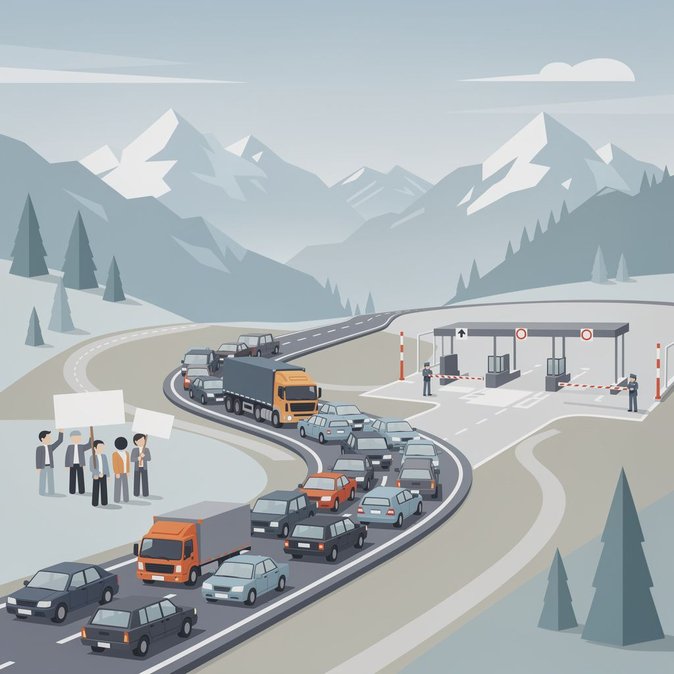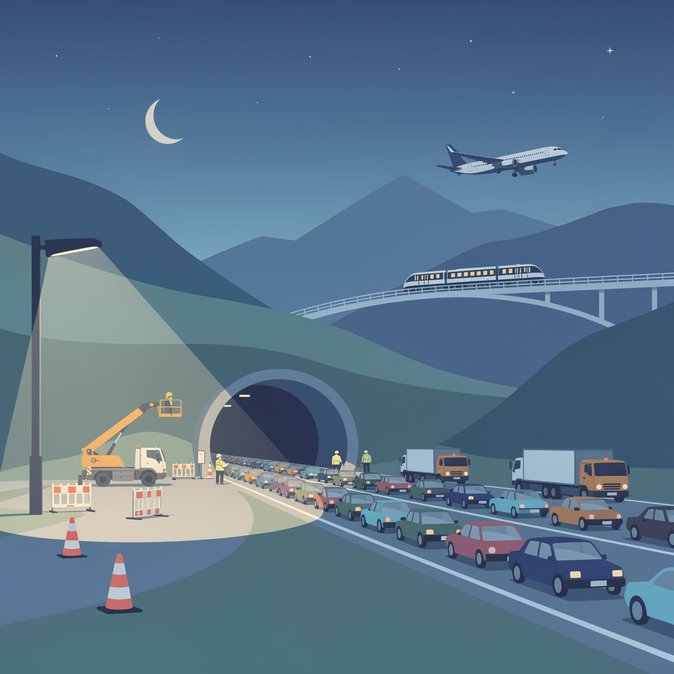
The Brenner corridor—Europe’s busiest alpine freight artery—entered the 2026 peak season this morning with dense traffic and slow-moving queues, aggravated by lane restrictions on the ageing Luegbrücke section of Austria’s A13. Reisereporter’s 24 June live bulletin reports sustained congestion in both directions as holiday traffic competes with up to 7,000 heavy-goods vehicles a day. The Luegbrücke is currently undergoing phased structural repairs that will last until late September. With lanes narrowed and speed limits cut to 60 km/h, throughput is down by roughly one-third. For logistics managers, that translates into multi-hour transit time penalties between the German border and the Italian A22.
Amid these cross-border travel bottlenecks, VisaHQ can streamline at least one part of the journey: paperwork. Whether truck drivers need a renewed passport, tourists require a Schengen visa, or executives seek multiple-entry permits, our Austria portal (https://www.visahq.com/austria/) offers step-by-step guidance, online applications, and live support—so documentation never becomes another source of delay.
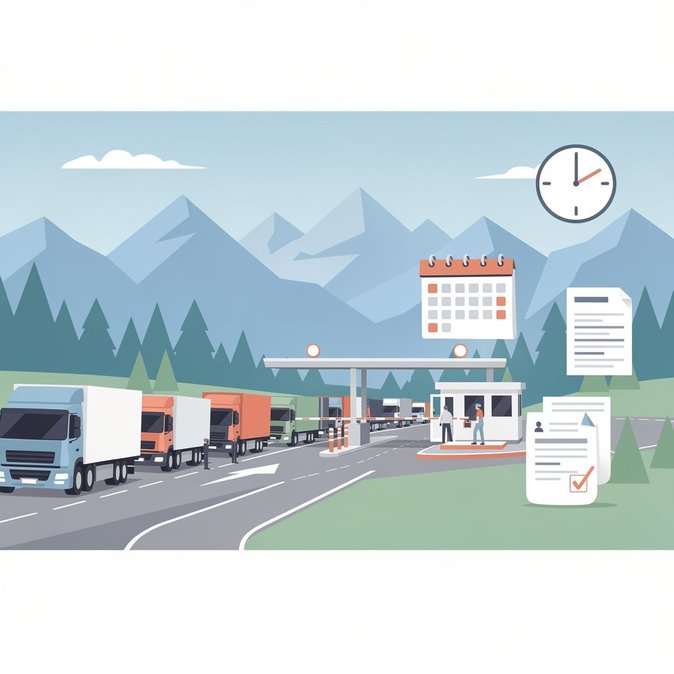
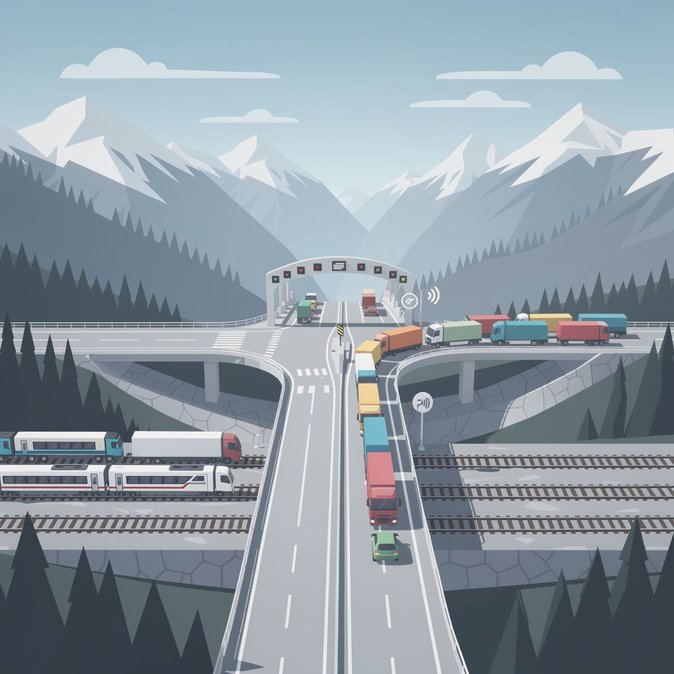
Complicating matters, Tyrol’s widely debated Lkw-Blockabfertigung scheme continues: on designated days only 300 trucks per hour are waved through the Kufstein checkpoint toward the Brenner, causing back-ups that stretch into Bavaria. Shippers who miss their assigned slots risk overnight parking fees and driver-hours infringements. Tourism operators are also feeling the squeeze. Italian resorts from South Tyrol to Lake Garda rely heavily on self-drive visitors from Austria and Germany; coach companies now warn of four-to-five-hour schedules for the Innsbruck–Bolzano sector. Businesses flying executives to Innsbruck or Verona are advised to factor in generous road transfer times, or to consider the ÖBB/DB EuroCity rail service as a punctual alternative. Longer-term relief is pinned on the 64-km Brenner Base Tunnel, but the rail link will not open before 2032. In the meantime, the Austrian motorway company ASFINAG recommends travelling outside the 06:00–11:00 southbound and 15:00–21:00 northbound peaks, pre-paying electronic tolls to avoid cashier queues, and monitoring the digital traffic portal for updates. Cross-border commuters should also note that random document checks remain in place at both Vipiteno and Schönberg service areas under Austria’s temporary Schengen derogation.
Amid these cross-border travel bottlenecks, VisaHQ can streamline at least one part of the journey: paperwork. Whether truck drivers need a renewed passport, tourists require a Schengen visa, or executives seek multiple-entry permits, our Austria portal (https://www.visahq.com/austria/) offers step-by-step guidance, online applications, and live support—so documentation never becomes another source of delay.
Complicating matters, Tyrol’s widely debated Lkw-Blockabfertigung scheme continues: on designated days only 300 trucks per hour are waved through the Kufstein checkpoint toward the Brenner, causing back-ups that stretch into Bavaria. Shippers who miss their assigned slots risk overnight parking fees and driver-hours infringements. Tourism operators are also feeling the squeeze. Italian resorts from South Tyrol to Lake Garda rely heavily on self-drive visitors from Austria and Germany; coach companies now warn of four-to-five-hour schedules for the Innsbruck–Bolzano sector. Businesses flying executives to Innsbruck or Verona are advised to factor in generous road transfer times, or to consider the ÖBB/DB EuroCity rail service as a punctual alternative. Longer-term relief is pinned on the 64-km Brenner Base Tunnel, but the rail link will not open before 2032. In the meantime, the Austrian motorway company ASFINAG recommends travelling outside the 06:00–11:00 southbound and 15:00–21:00 northbound peaks, pre-paying electronic tolls to avoid cashier queues, and monitoring the digital traffic portal for updates. Cross-border commuters should also note that random document checks remain in place at both Vipiteno and Schönberg service areas under Austria’s temporary Schengen derogation.