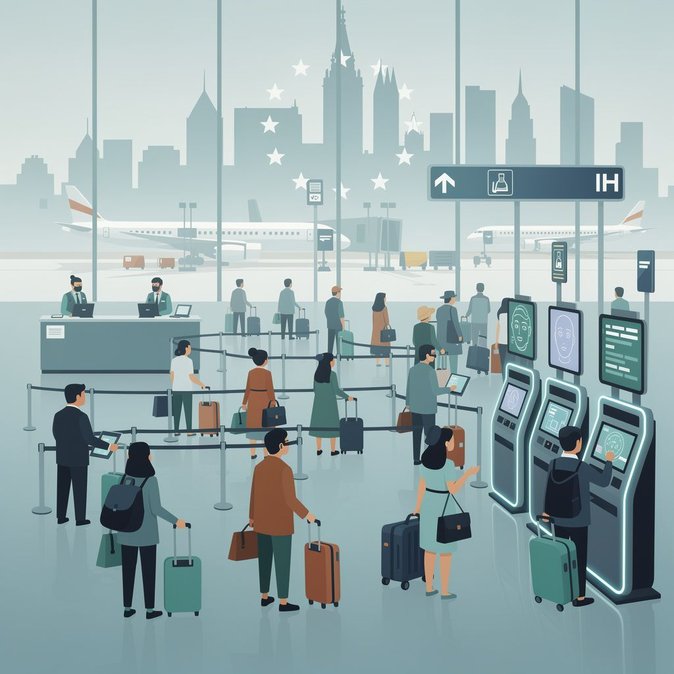
Brussels Airport (BRU) projects that 5.2 million passengers will pass through its terminals in July–August 2026, a 4 % jump on last year and the highest summer total in the hub’s history. The holiday rush begins on 26 June and peaks on Belgium’s National Day, 20 July, when more than 90,000 travellers are forecast. To cope with the surge, the airport and government agencies are taking several steps. Extra police officers will staff the border booths and newly installed self-service biometric kiosks will capture fingerprints and facial images for non-EU nationals—a dry-run for the EU Entry/Exit System (EES) that became mandatory in April. Airlines are staggering check-in opening times, while the airport has erected a temporary marquee equipped with 20 bag-drop desks to relieve overcrowding in departure hall 1. Popular leisure destinations remain Spain, Turkey, Greece, Italy and Morocco, but the airport is also touting new long-haul routes to São Paulo, Kilimanjaro and Halifax, plus expanded frequencies to Shanghai and Hong Kong. BRU’s cargo arm is unaffected by the passenger spike; fuel suppliers say geopolitical tensions have not disrupted jet-fuel deliveries. Airport CEO Arnaud Feist advised travellers to “arrive two hours before Schengen flights and three hours before non-Schengen departures” and to use the BRUce chatbot for real-time queue data. The airport warns that the combination of summer crowds and the still-maturing EES could produce sporadic bottlenecks at immigration, particularly for families needing to register children’s biometrics. For corporate travel managers the message is clear: build in longer connection buffers for itineraries that require a landside transfer at BRU, alert employees to potential queue times, and monitor union activity—ground-handling wildcat strikes earlier in June caused 60 flight cancellations in one day.
Source: Aviation24.be
How VisaHQ can help
VisaHQ simplifies the visa application process for individuals and businesses. Check current travel requirements, prepare the required documents and manage your application online through the VisaHQ Belgium portal.More From Belgium
View all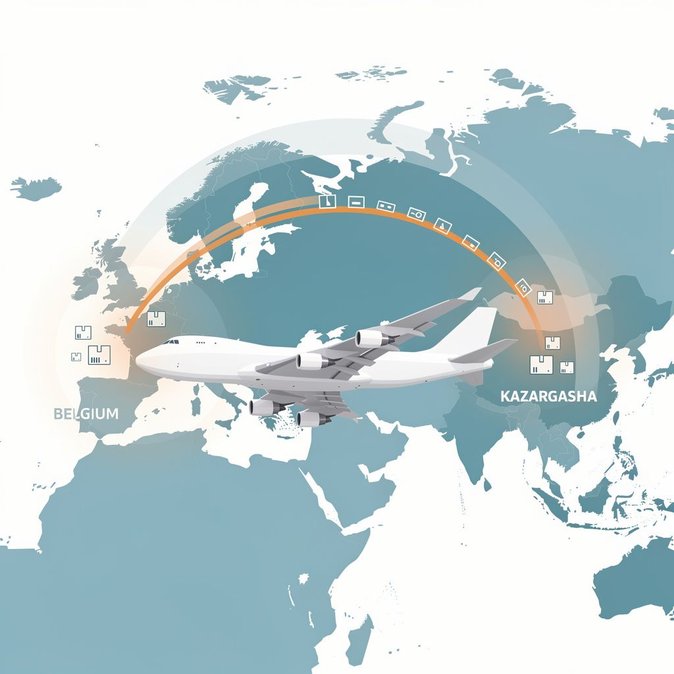
ASL Airlines Belgium Launches Liege–Karaganda Freighter Service, Strengthening Eurasian Trade Corridor
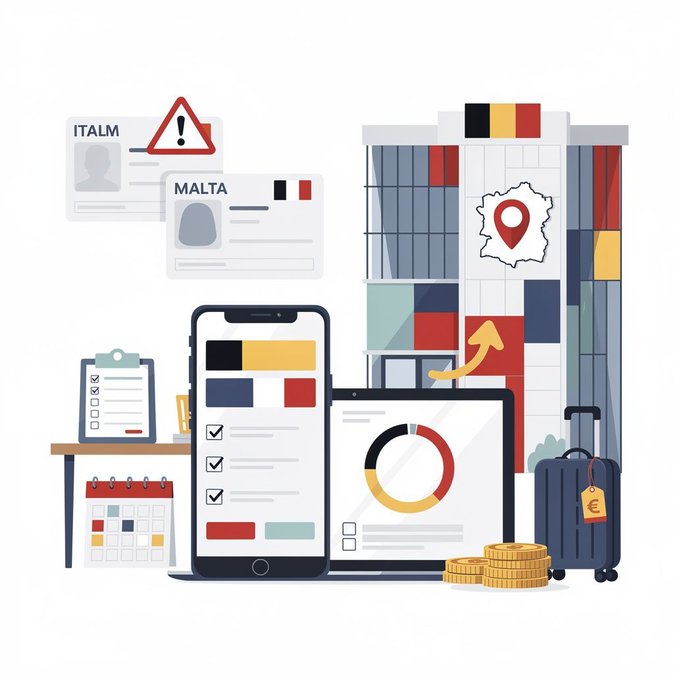
Belgian Embassy in Rome updates visa guidance and makes online ‘My Address in Belgium’ arrival form mandatory