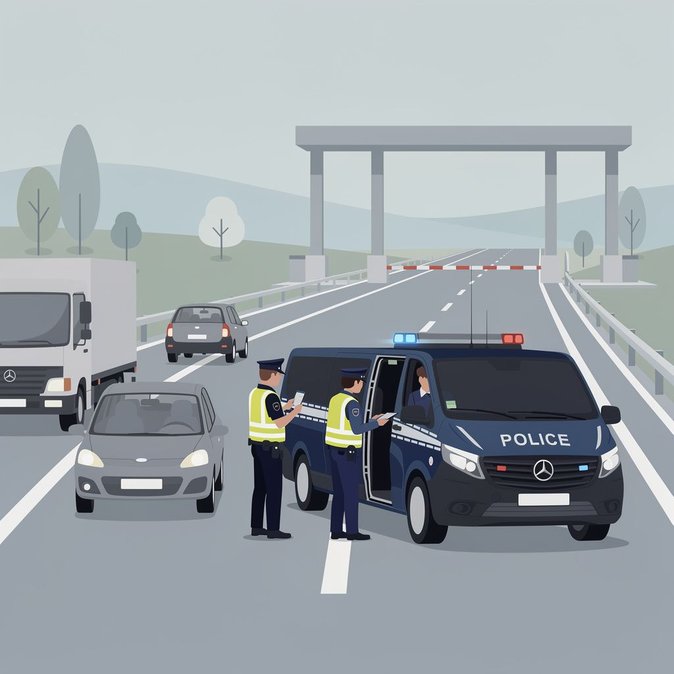
Early on 24 June the Federal Police (Bundespolizei) at the Aachen-Brand checkpoint apprehended a 37-year-old Spanish citizen who was the subject of an international arrest warrant for large-scale drug trafficking. Officers stopped the individual during a mobile border-area control of vehicles arriving from Belgium; a quick database query revealed the outstanding Spanish warrant related to 25 kg of marijuana seized in Catalonia in 2025. Extradition proceedings have already begun. Although the arrest itself concerns organised crime, the incident is another reminder that Germany continues to exercise temporary internal Schengen controls along selected stretches of its western and eastern borders. Interior Minister Alexander Dobrindt first re-introduced the flexible controls in October 2024 amid a surge in irregular migration; the regime has since been extended every six months. For cross-border commuters and logistics operators the practical impact is minimal most days—checks are mobile and risk-based—but this morning’s arrest caused a 20-minute tail-back on the A4 until the vehicle was towed. Companies moving just-in-time goods between Liège and Cologne reported slight delays on time-critical runs. Mobility managers should continue to advise drivers and employees to carry passports or national ID cards even on routine intra-EU trips. Employers using company cars registered in other EU states are also urged to keep vehicle documents readily accessible, as police tend to scrutinise foreign-plated vans more closely during spot checks.
Source: Antenne AC