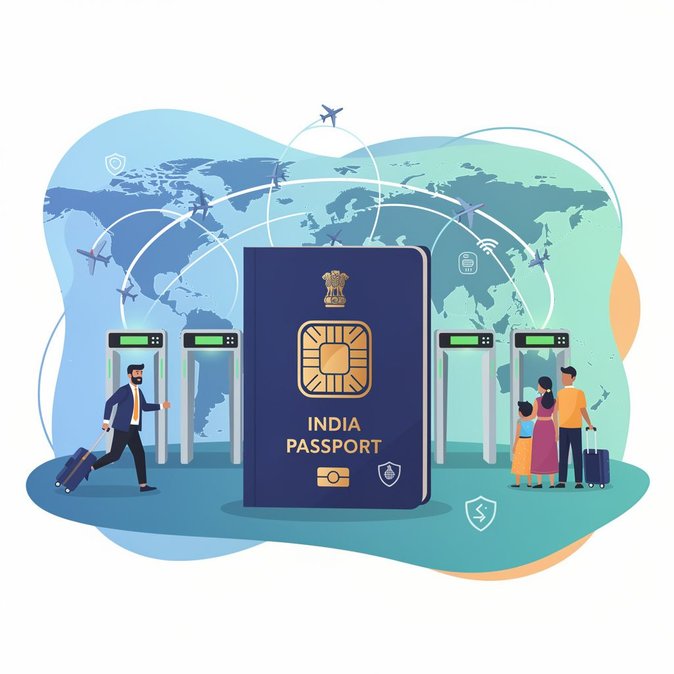
In a message to passport authorities worldwide, External Affairs Minister S. Jaishankar used the 14th Passport Seva Divas to hail the ‘Surakshit Passport, Sugam Seva, Sashakt Nagrik’ vision that underpins Passport Seva Programme 2.0. The upgraded platform—already live in India and now being deployed to missions overseas—brings end-to-end digitisation, AI-driven duplicate checks and real-time police-verification dashboards that cut red-tape for citizens and ease coordination for corporate mobility teams. At the heart of the upgrade is the nationwide shift to ICAO-compliant, chip-enabled e-passports. Each booklet embeds a biometric chip and RFID antenna that immigration e-gates can read in seconds, slashing queues for Indian travellers at airports that support automated border control. The hardware is sourced locally through India Security Press in Nashik, aligning with the ‘Make in India’ policy while meeting global security standards. For frequent business flyers, the change promises smoother transits and fewer secondary inspections. Infrastructure expansion is equally dramatic. India has grown from 77 Passport Seva Kendras (PSKs) in 2014 to 544 PSKs and Post-Office PSKs today, bringing same-day appointments to tier-2 and tier-3 cities. Communications Minister Jyotiraditya Scindia stressed that India Post’s network now extends passport services to remote districts, a boon for firms recruiting talent outside major metros. For mobility managers, the most practical takeaway is reliability. Average processing time is down to under a week, and applicants spend less than 45 minutes at centres—reducing idle time for assignees preparing to deploy abroad. With the Global Passport Seva Programme rolling out at consulates, Indians will soon be able to renew passports overseas via the same portal, further simplifying long-term assignments. Companies should update travel policies to note that only e-passports are now issued; employees holding older booklets may wish to renew early to benefit from contactless gates in Europe, Singapore and the Gulf. HR should also monitor MEA advisories as the ministry pilots digital identity wallets that could eventually combine passport, visa and work-permit data on a single app.
Source: Akashvani News