
The Council of the European Union’s Visa Working Party gathered in Brussels this morning (25 June 2026) for its latest session, the first since the EU’s new Migration and Asylum Pact entered into force earlier this month. Delegates from all 27 member states, Schengen-associated partners (Iceland, Norway, Switzerland and Liechtenstein) and the European Commission reviewed a discussion paper that proposes a new methodology for assessing whether third-country nationals should continue to enjoy visa-free travel to the Schengen Area. Under current rules, the Commission must regularly monitor visa-free partners for risks such as irregular migration, security threats and reciprocity. However, member states complain that assessments are inconsistent and politically sensitive. The new framework would formalise trigger indicators (for example, a 50 % year-on-year rise in asylum claims or overstays) and oblige the Commission to deliver a public scorecard every six months. Belgium – which hosts both the Council secretariat and Frontex liaison offices – welcomed the move, saying it would give frontline authorities clearer guidance when planning border checks and carrier obligations. For Belgian employers moving staff around the EU, the discussion is more than academic. If a country such as Argentina or Georgia were to lose its visa-free status, companies would suddenly need to obtain Schengen C-visas for short-term assignees – a process that can easily add four to six weeks to project timelines. Travel-management firms told The Brussels Times they are already mapping alternative talent pools and budgeting for possible visa fees. The Working Party also evaluated first feedback from airlines on the rollout of the EU Entry/Exit System (EES), due in October. Carriers flagged concerns about processing times at Brussels Airport, where infrastructure work on e-gates has slipped behind schedule. The Belgian Interior Ministry confirmed it would divert additional border-police staff during the summer pilot phase to avoid long queues. Next steps: the Council will invite justice and home-affairs ministers to endorse the assessment framework in July. If adopted, the first public scorecard could appear as early as December 2026, giving businesses a rare forward-looking view of visa-waiver stability.
Source: Council of the European Union
How VisaHQ can help
VisaHQ simplifies the visa application process for individuals and businesses. Check current travel requirements, prepare the required documents and manage your application online through the VisaHQ Belgium portal.More From Belgium
View all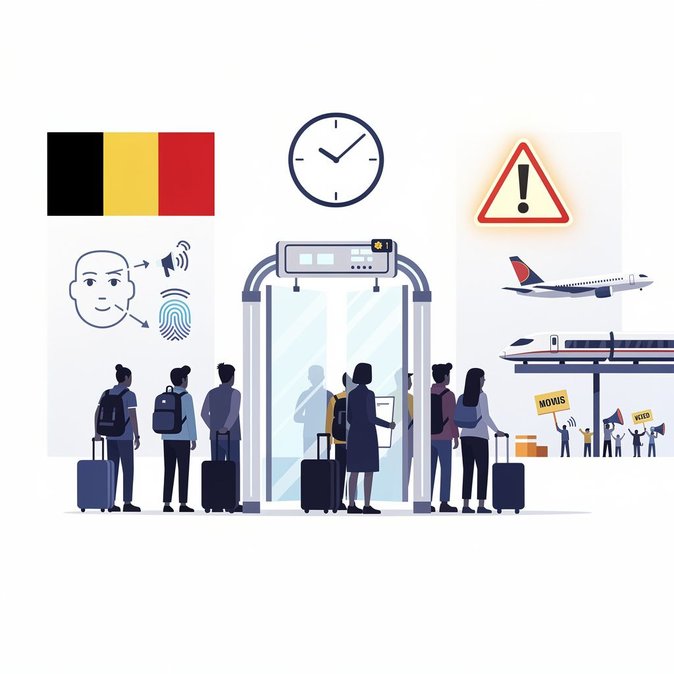
Australia issues updated Belgium travel advisory, flags new EU Entry/Exit System and potential border delays

Belgium Visa Application Centre in Nairobi shuts for one day as protests sweep Kenya; long-stay fees to rise on 1 July