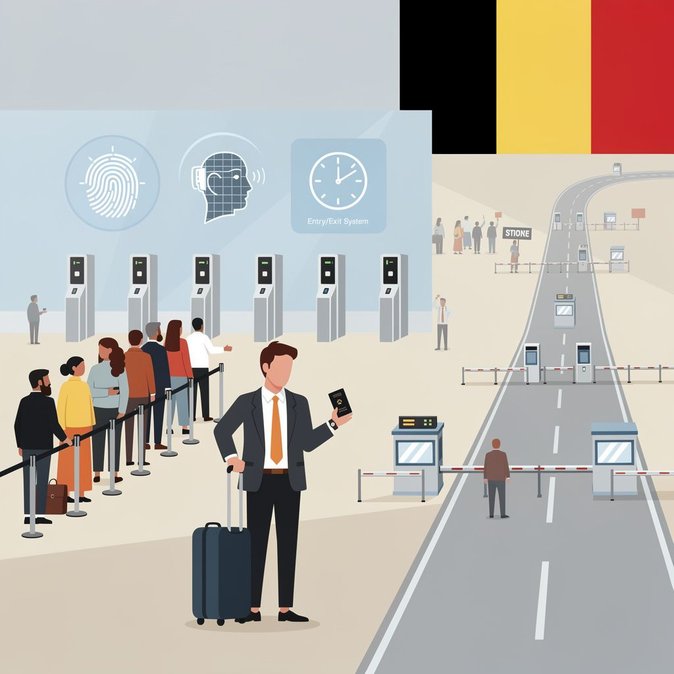
Australia’s Department of Foreign Affairs and Trade (DFAT) refreshed its Smartraveller advisory for Belgium today (25 June 2026), keeping the overall risk level at “exercise normal safety precautions” but adding new warnings that travellers may face longer queues when entering or leaving the country once the EU’s automated Entry/Exit System goes live later this year. The notice reminds visitors that Belgium is part of the Schengen Area and that, from October, non-EU nationals will have their fingerprints and facial image captured on first entry. While no pre-registration is required, Australian business travellers are urged to allow extra time at Brussels Airport and to check whether their passport’s remaining validity is sufficient for the biometric process. DFAT also highlights the possibility of ad-hoc border controls on roads and rail services into France, Germany and the Netherlands, a practice Belgium has occasionally used to combat secondary migration flows. For multinational companies routing executives through Brussels for EU-level meetings, the updated advice underscores the need to build buffer time into itineraries and to brief employees on Schengen-overstay rules. Travel managers should also monitor industrial-action calendars: the advisory notes that national strikes are frequent and can halt flights and inter-city trains with little notice. Belgian authorities have welcomed the introduction of EES, saying it will strengthen security without re-introducing systematic stamping. Nevertheless, the Interior Ministry concedes that the first weeks could be “messy”, particularly during the July construction works at Zaventem’s border-inspection posts. Companies with time-sensitive shipments should consider alternative airports such as Liège or even Amsterdam Schiphol if passenger congestion becomes severe, freight-forwarders told local media.
Source: DFAT – Smartraveller
How VisaHQ can help
VisaHQ simplifies the visa application process for individuals and businesses. Check current travel requirements, prepare the required documents and manage your application online through the VisaHQ Belgium portal.More From Belgium
View all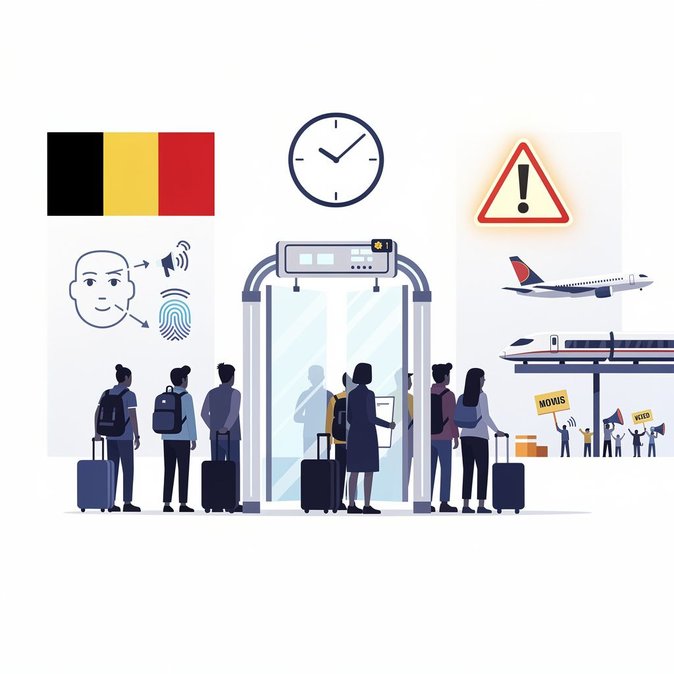
Australia issues updated Belgium travel advisory, flags new EU Entry/Exit System and potential border delays

Belgium Visa Application Centre in Nairobi shuts for one day as protests sweep Kenya; long-stay fees to rise on 1 July