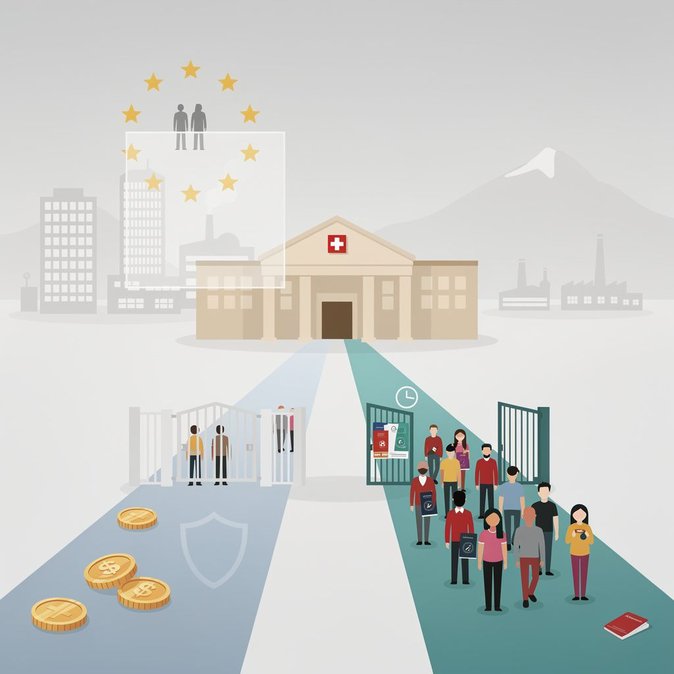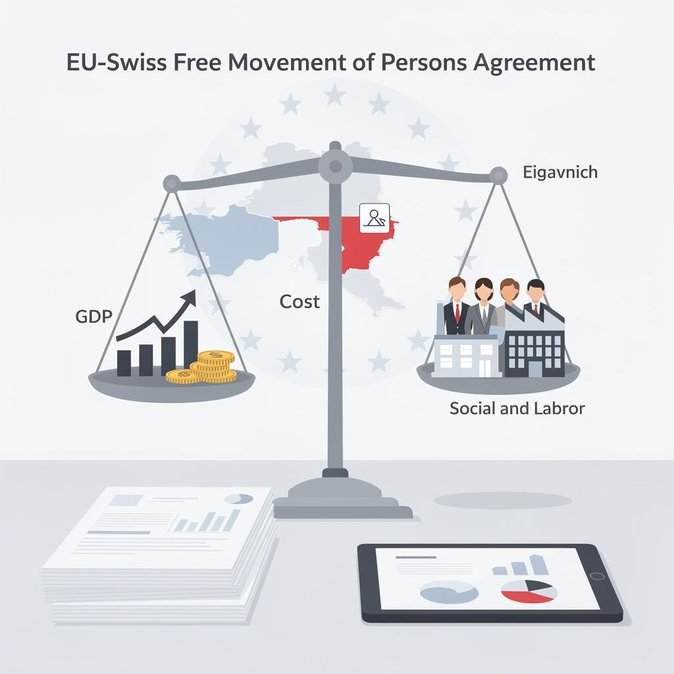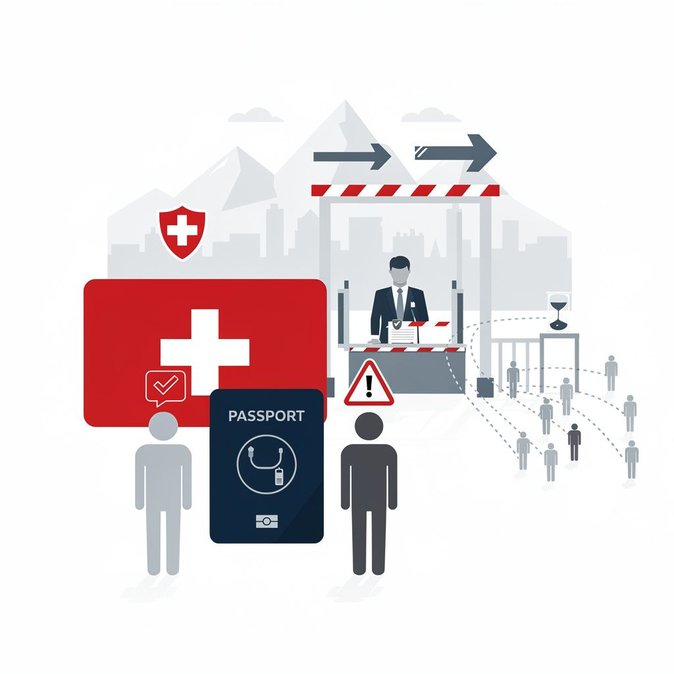
In a report adopted on 24 June 2026, the Swiss Federal Council answered a parliamentary request to explain how money that Switzerland pays into European funds for border management and visa policy is spent. The document focuses on two instruments: the current Border Management and Visa Instrument (BMVI) and its predecessor, the Internal Security Fund–Borders. Between 2014 and 2024 Switzerland contributed several hundred million francs to these schemes as part of its Schengen association. The government stresses that the money is intended to modernise infrastructure such as scanners, databases and training programmes that facilitate legitimate travel while tackling irregular migration. Pressure for transparency has grown after the EU’s Fundamental Rights Agency flagged push-backs and other abuses at some external borders. Critics argued that Member-State mis-use of BMVI cash could make Switzerland indirectly complicit. Bern’s 39-page report concludes that, although part of the Swiss-financed envelope did reach states later accused of abuses, there is “no evidence that Swiss money directly enabled fundamental-rights violations.” It points to multiple EU-level and national oversight mechanisms—including audits, performance indicators and whistle-blower hotlines—that have been strengthened in the current funding period. For Swiss policymakers the issue is more than ethical. Continued participation in EU security funds secures Switzerland’s access to shared IT platforms such as the Entry/Exit System (EES), VIS and Eurodac, without which border authorities could not check passports or process visas efficiently. The Council argues that influence over the governance of these systems is only possible if Switzerland remains a paying member; withdrawal would isolate Swiss airports and land borders from Schengen data flows, creating long queues for business travellers and tourists alike. The report’s practical upshot is two-fold. First, Bern will keep its seat at the table when the EU finalises the next multi-year funding cycle in 2027—an opportunity to push for stricter human-rights conditionality. Second, federal and cantonal authorities must improve their own monitoring of projects that Switzerland co-finances abroad so they can document impact and intervene early if standards slip. Companies that supply security technology to Swiss border posts should watch the BMVI closely: the programme will continue to fund CT scanners, biometric kiosks and API systems that are rolled out simultaneously in Zurich, Geneva and many EU airports.
Source: Swiss Federal Council