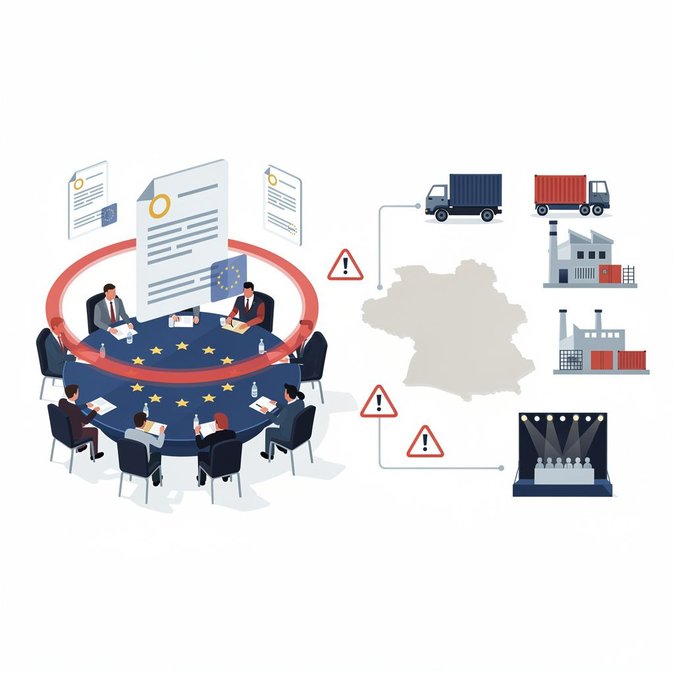
Brussels hosted a special session of the EU Visa Working Party/Mixed Committee on 25 June 2026, and the Czech Republic was at the table. On the packed agenda was a proposed revision of the suspension mechanism in Article 25a of the EU Visa Code—essentially the legal tool that allows the Union to re-impose visa requirements on third-country nationals if a partner country is judged unco-operative on readmission, border security or migration management. The presidency also floated draft “ad-hoc measures” that could be adopted more swiftly against countries deemed high-risk. Why does this matter in Prague? Czech business groups depend heavily on short-term visa-free travel for teams shuttling to clients in Georgia, Kazakhstan and other Eastern Partnership states. A stricter or faster suspension tool could see those exemptions disappear with little notice, forcing Czech employers to obtain Schengen visas for staff at short notice, adding cost and delay during peak assignment seasons. In 2025 alone, Czech companies filed over 27,000 invitations for visa-exempt visitors from those regions, according to Ministry of Foreign Affairs data; a suspension would send them back to paper-based consular queues. The working paper discussed by delegates cites “insufficient cooperation” from several countries on returns and security checks. Although no immediate decision was taken, Commission officials briefed member-states that proposals for targeted visa restrictions on Guinea and Somalia are ready for approval and that “wider geographical scope” is under review. Czech representatives pressed for clear, advance warning periods so that trade fairs in Brno and Ostrava—events that attract hundreds of African and Asian exhibitors—are not disrupted at the last minute. Officials also previewed new Commission guidance on lawful use of visas and the UK-style “digital compliance checks” that will become mandatory at Schengen borders once the Entry/Exit System (EES) goes live in October. For Czech border police, who process roughly 300,000 vehicle crossings per day at the country’s internal Schengen borders, that means upgrading handheld scanners and training 1,700 officers this summer. Next steps: the Irish Presidency will inherit the file on 1 July and intends to push for a political agreement by December 2026. Czech companies with high volumes of non-EU visitors are therefore advised to audit their client- and supplier-travel pipelines now, budget for the possibility of visa fees later in the year, and monitor forthcoming Council implementing decisions closely.