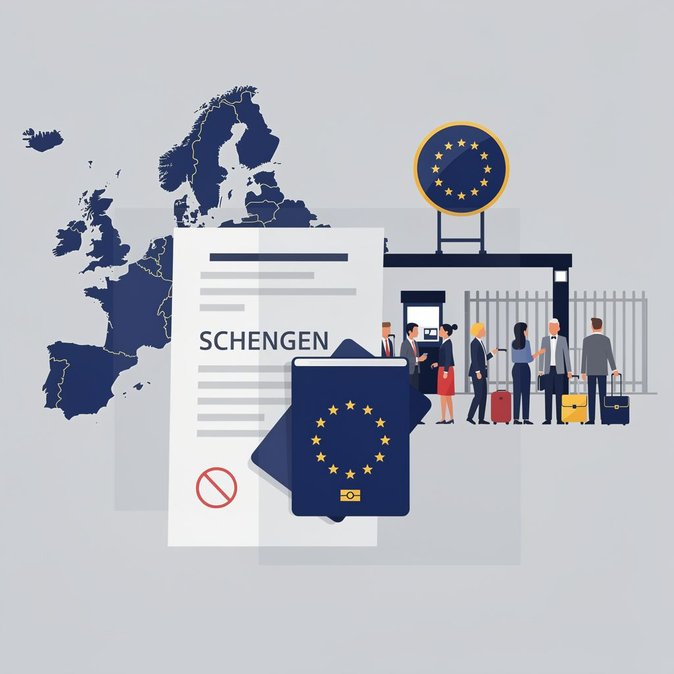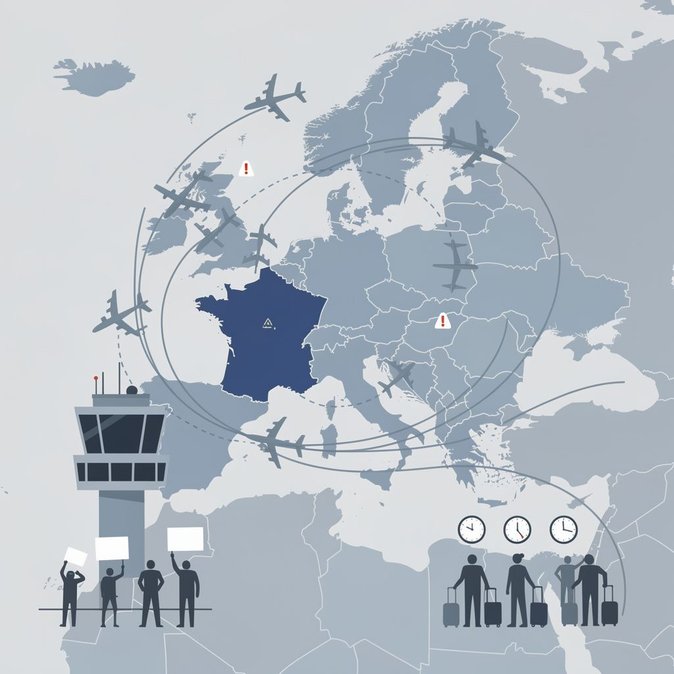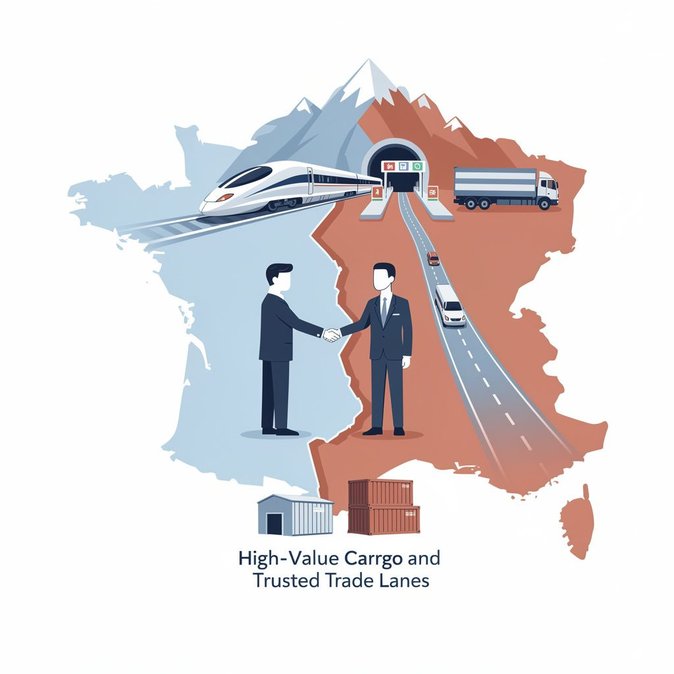
President Emmanuel Macron welcomed Italian Prime Minister Giorgia Meloni to Antibes on 25 June for the first Franco-Italian summit since the signing of the 2024 Quirinal Treaty. Nine ministers from each side joined the leaders to discuss defence industrial projects, joint satellite launches—and, crucially, the management of migratory flows across the Alps and the Mediterranean. The timing is significant: irregular Channel crossings have fallen, but arrivals via Italy’s Lampedusa have surged 36 % year-on-year. According to the Elysée, France will trial a ‘mobile asylum team’ at the Ventimiglia crossing this summer, allowing rapid fingerprinting and Dublin checks before migrants board trains towards Marseille or Lyon. Italy, in return, will expedite permits for French construction firms working on the Turin–Lyon high-speed rail link. A new working group on digital border surveillance will report back by September. For businesses, the headline announcement is the creation of a fast-track lane for goods vehicles carrying strategic inputs—pharmaceutical precursors, aerospace components—between the two countries. The lane will operate under a mutual Trusted Trader framework modelled on the EU’s Authorised Economic Operator system. Logistics providers expect clearance times at Ventimiglia and Montgenèvre to fall from an average of 42 minutes to under 15 minutes once pilot sensors are installed. The summit also produced softer outputs: cultural-exchange visas for artists will be doubled in quota from 1 January 2027, and both governments pledged to align their digital-nomad tax rules by the end of next year. While many details await legislative follow-up, mobility managers should note that Franco-Italian border processes are set to evolve rapidly—and plan postings accordingly.
Source: Reuters (via ZoneBourse)