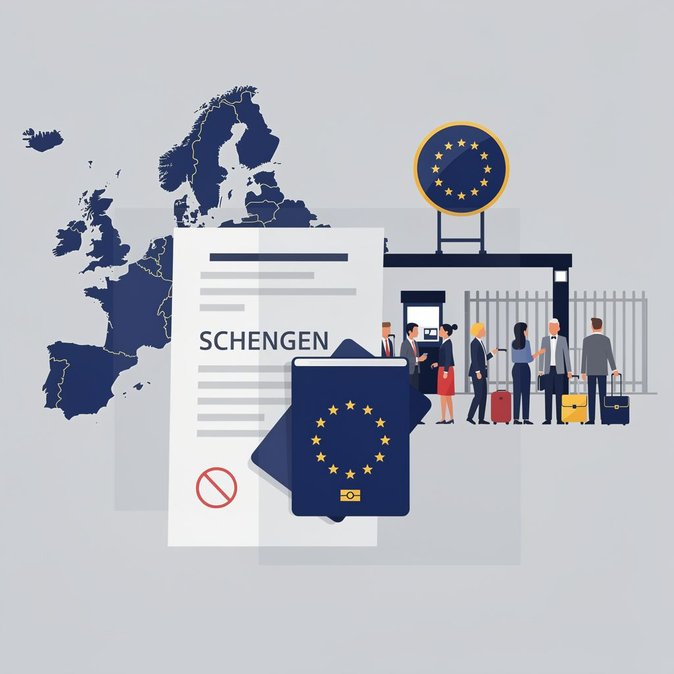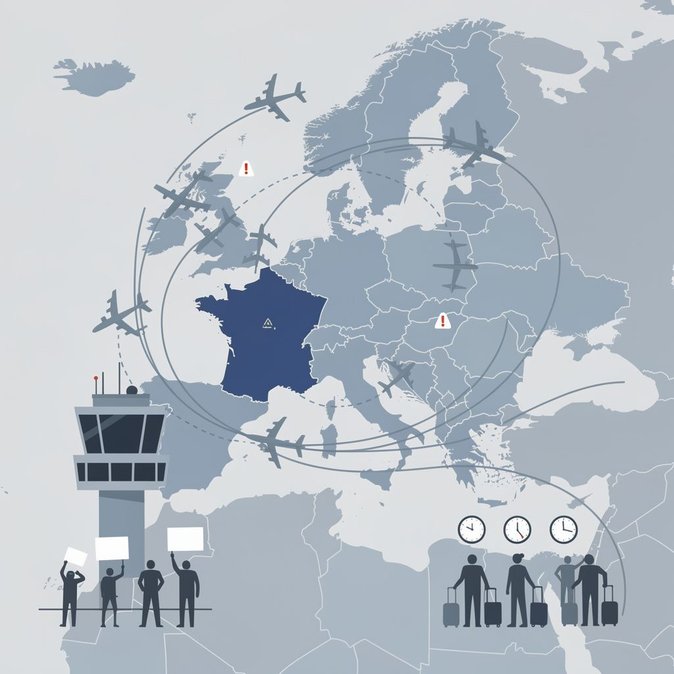
With rail, airline and public-sector strikes stacking up across Europe, consumer portal TravelersToday published on 25 June an updated explainer on Regulation EC 261—better known as EU261—focusing on how compensation rules apply when industrial action originates in France. The timing coincides with a wave of heat-related service cuts and the newly announced October ATC strike, prompting a surge in Google searches for “compensation vol annulé” and “remboursement train grève”. The article clarifies that EU261 covers any flight departing an EU airport, irrespective of carrier nationality, and inbound flights on EU carriers. Crucially, compensation (up to €600) applies only when disruption is under the airline’s control. Strikes by airline staff—pilots, cabin crew, check-in agents—usually qualify; strikes by air-traffic controllers or airport firefighters are deemed “extraordinary circumstances” and exempt. That distinction matters this summer because France is seeing both categories: cabin-crew walk-outs at Transavia and the looming ATC stoppage. For rail, France’s own Passenger Rights Regulation mirrors many air entitlements: a delay of 60-119 minutes yields 25 % refund, 120 minutes or more triggers 50 %. SNCF’s special canicule policy of free changes is over and above its legal obligations, an example of “commercial gesture” rather than statutory right. The piece also notes that EU261 claims can be filed up to five years after the event in France—a longer limitation period than in most EU states—making it easier for expatriates and frequent flyers to consolidate past disruptions into a single claim. Corporate travel departments should therefore maintain accurate PNR archives; auditors increasingly flag unclaimed EU261 cash as a missed savings opportunity. Finally, the portal recommends travellers retain boarding passes, delay notifications and, where possible, photographs of airport screens. Such evidence remains essential because many airlines reject claims initially, betting that only a fraction of passengers will escalate to the French Civil Aviation Mediation Authority (Médiation Tourisme et Voyage) or small-claims court.
Source: TravelersToday