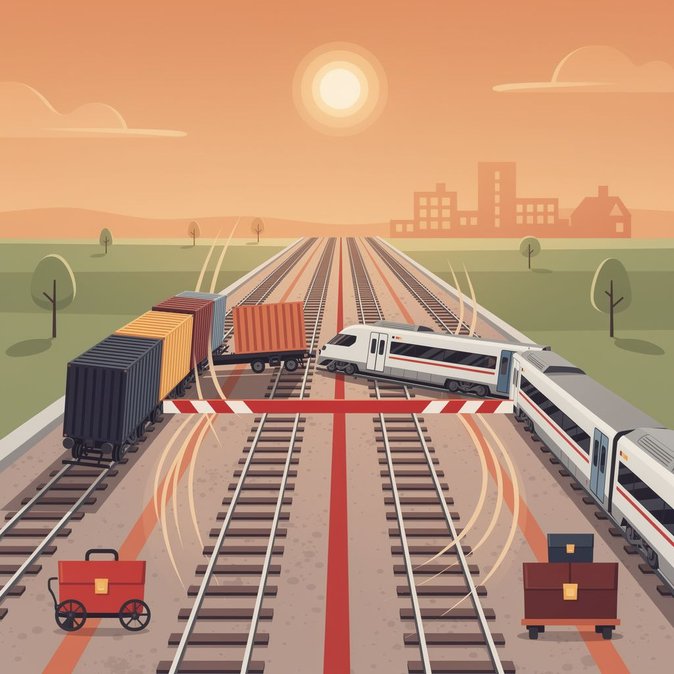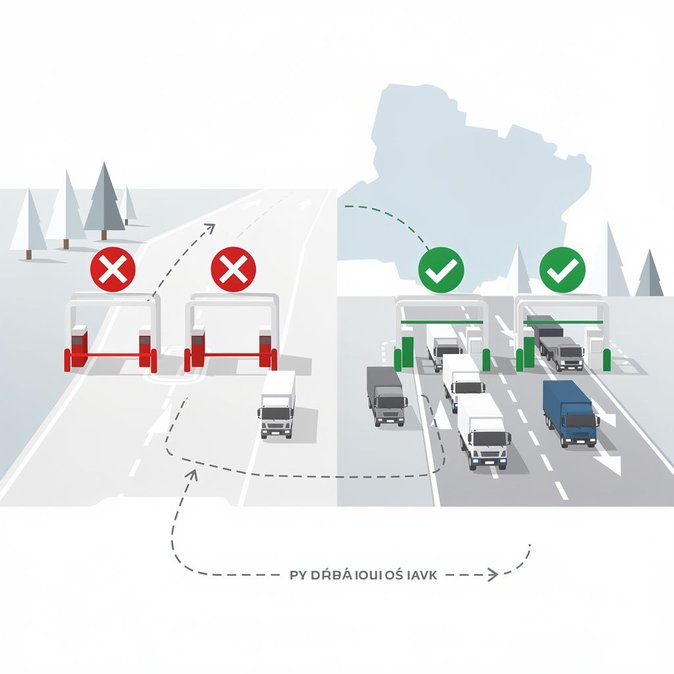
In its 17:30 bulletin on 25 June 2026, Poland’s Border Guard (Straż Graniczna) reiterated that two minor road crossings on the Belarus frontier—Połowce and Sławatycze—remain closed “until further notice” as part of the security measures first imposed during the 2021 migration crisis. The advisory, published on the official Granica.gov.pl portal, also shows growing queues at the open cargo corridors: truck drivers faced a three-hour wait at Koroszczyn/Kukuryki and a one-hour wait at Kuźnica, while private cars experienced up to three hours at Bobrowniki.
For companies and individual travelers who now have to navigate shifting Polish entry rules, Belarus transit permits, or Russian business visas, VisaHQ can streamline the paperwork in one intuitive dashboard. Its Poland portal (https://www.visahq.com/poland/) offers real-time visa requirements, invitation-letter templates, and courier passport services—tools that are especially handy for logistics managers dispatching non-EU drivers through Kuźnica or Koroszczyn while the smaller crossings remain shuttered.
Although the overall number of irregular crossing attempts has fallen by 96 % since early 2024, officials say the closures are necessary because traffickers continue to test the fence in remote forest sections. Businesses that rely on just-in-time deliveries from Belarus or Russia are therefore urged to route freight via Kuźnica or Koroszczyn and to build buffer stock in Polish warehouses. The government is funding additional cargo-scanner lanes at Kuźnica, but these will not open until September. Passenger traffic is also affected. Polish tour operators have suspended coach excursions to Grodno, and several Warsaw-based logistics firms now require drivers to carry a letter explaining why they cannot divert via Lithuania or Ukraine. Under Schengen rules, EU citizens may still cross at the open posts, but non-EU truck drivers must show proof of a Polish or EU work permit; spot checks are frequent. For mobility managers, the key takeaway is to update employee travel policies: avoid planning business trips through Połowce or Sławatycze, allow extra time at other Belarus crossings, and remind assignees that the Entry/Exit System automatically clocks overstays even if queues delay the physical exit stamp. Companies shipping high-value goods should consider shifting to rail via the Małaszewicze cargo hub, which has residual capacity after China-EU rail volumes dipped this spring.

For companies and individual travelers who now have to navigate shifting Polish entry rules, Belarus transit permits, or Russian business visas, VisaHQ can streamline the paperwork in one intuitive dashboard. Its Poland portal (https://www.visahq.com/poland/) offers real-time visa requirements, invitation-letter templates, and courier passport services—tools that are especially handy for logistics managers dispatching non-EU drivers through Kuźnica or Koroszczyn while the smaller crossings remain shuttered.
Although the overall number of irregular crossing attempts has fallen by 96 % since early 2024, officials say the closures are necessary because traffickers continue to test the fence in remote forest sections. Businesses that rely on just-in-time deliveries from Belarus or Russia are therefore urged to route freight via Kuźnica or Koroszczyn and to build buffer stock in Polish warehouses. The government is funding additional cargo-scanner lanes at Kuźnica, but these will not open until September. Passenger traffic is also affected. Polish tour operators have suspended coach excursions to Grodno, and several Warsaw-based logistics firms now require drivers to carry a letter explaining why they cannot divert via Lithuania or Ukraine. Under Schengen rules, EU citizens may still cross at the open posts, but non-EU truck drivers must show proof of a Polish or EU work permit; spot checks are frequent. For mobility managers, the key takeaway is to update employee travel policies: avoid planning business trips through Połowce or Sławatycze, allow extra time at other Belarus crossings, and remind assignees that the Entry/Exit System automatically clocks overstays even if queues delay the physical exit stamp. Companies shipping high-value goods should consider shifting to rail via the Małaszewicze cargo hub, which has residual capacity after China-EU rail volumes dipped this spring.