
The U.S. Supreme Court on June 25, 2026, issued a 6-3 ruling that lifts a lower-court injunction blocking the Department of Homeland Security (DHS) from reinstating the so-called “metering” policy at land ports of entry. The practice, first piloted in 2016 and dramatically expanded during President Trump’s first term, empowers Customs and Border Protection (CBP) officers to turn back asylum-seekers and require them to add their names to informal wait-lists on the Mexican side of the border. Thursday’s decision holds that nothing in the Immigration and Nationality Act requires the government to accept asylum applications from individuals who have not yet been admitted or paroled into U.S. territory. The majority opinion, written by Justice Gorsuch, emphasized congressional intent to give the executive branch flexibility to "control the pace of admissions in light of operational constraints and national-security considerations." The dissent, led by Justice Sotomayor, warned that the ruling “effectively closes the Nation’s gates to the persecuted” and will expose vulnerable migrants to kidnapping and exploitation in makeshift camps along the border. Practically, DHS officials say metering will resume in the busiest sectors—San Ysidro, El Paso, and Brownsville—within days. The agency will post daily intake caps online and coordinate with Mexican authorities to manage queues. Human-rights groups contend that shelters in Tijuana and Ciudad Juárez are already over capacity and predict a surge in humanitarian aid needs. For corporate mobility managers, the ruling is unlikely to affect standard business or work-visa travel, but it will influence humanitarian parole and refugee sponsorship programs that many multinationals support as part of ESG initiatives. Companies with maquiladora or logistics operations near the border should anticipate protest activity, potential port slow-downs, and heightened media scrutiny of cross-border movements. Immigration counsel advise auditing any ongoing pro bono or humanitarian parole cases and preparing talking points for employees who travel frequently through affected ports. They also recommend updating crisis-response protocols to account for possible civil disturbances near border crossings once metering is re-implemented.
Source: Associated Press
How VisaHQ can help
VisaHQ simplifies the visa application process for individuals and businesses. Check current travel requirements, prepare the required documents and manage your application online through the VisaHQ United States of America portal.More From United States of America
View all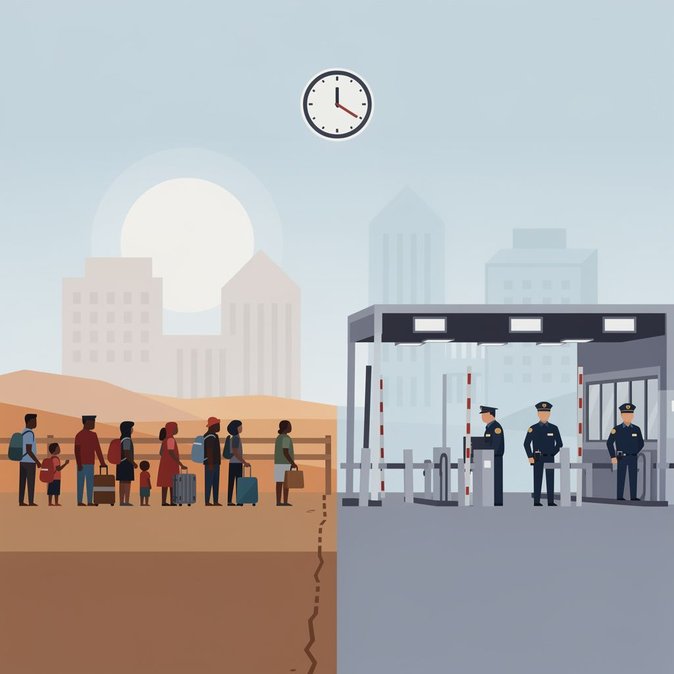
Supreme Court Green-Lights Border “Turnback” Policy, Allowing Agents to Block Asylum Seekers Before They Step on U.S. Soil

State Department Updates El Salvador Advisory to Level 1 but Keeps Night-Travel Ban for U.S. Staff