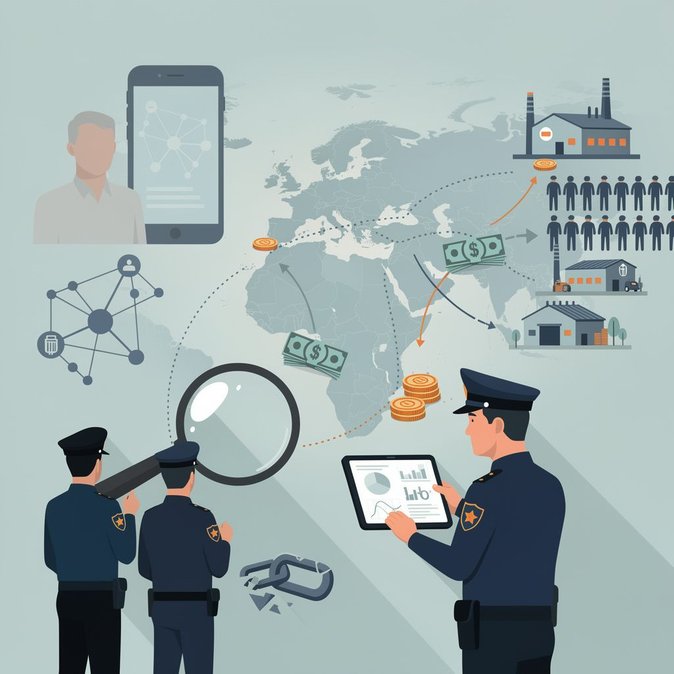
Special units of the Federal Police raided multiple properties in Hagen, North-Rhine Westphalia, as well as premises in Stadtlohn, Steinheim and Gescher at dawn on 29 June, arresting a 45-year-old Syrian national alleged to be the pay-master of a migrant-smuggling network. According to WDR, prosecutors accuse the suspect of commercial ‘Einschleusen von Ausländern’, money-laundering and participation in a criminal organisation. Investigators say the group used the centuries-old hawala informal-transfer system to funnel payments between Germany and Turkey, moving at least €4 million over the past two years. The cash financed forged passports, transport across the Balkan route and temporary accommodation inside Germany. Officers seized €13,300 in cash, several encrypted phones and extensive customer lists that are now being analysed by the Central Customs Authority’s Financial Intelligence Unit. Why it matters for global mobility: employers found to have unknowingly hired irregular migrants face fines of up to €500,000 per case and can be excluded from public tenders. The raid therefore underscores the importance of robust right-to-work checks and periodic audits of subcontractors – particularly in logistics, construction and meat-processing, sectors frequently targeted by smugglers. The operation also signals stepped-up use of money-laundering statutes to tackle illegal migration. Mobility compliance managers should expect more document requests from banks when funding assignee housing deposits or relocation advances for high-risk nationalities. Companies should review internal processes for large cash payments to ensure they can demonstrate traceable banking channels if questioned by authorities.
Source: WDR
How VisaHQ can help
VisaHQ simplifies the visa application process for individuals and businesses. Check current travel requirements, prepare the required documents and manage your application online through the VisaHQ Germany portal.More From Germany
View all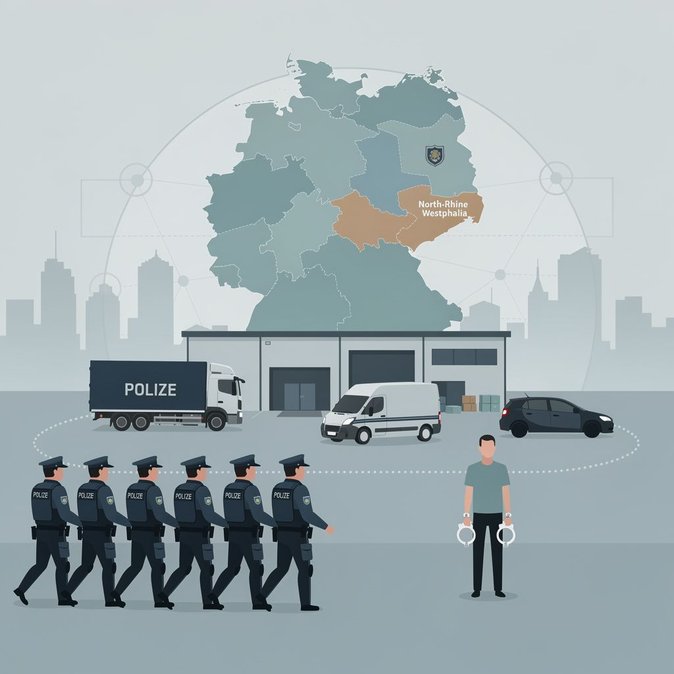
German Police Dismantle Alleged Human-Smuggling Network in NRW, Arrest Syrian Ringleader
One-Year Review Shows Germany’s Family-Reunification Freeze Disproportionately Hurts Syrians and Afghans