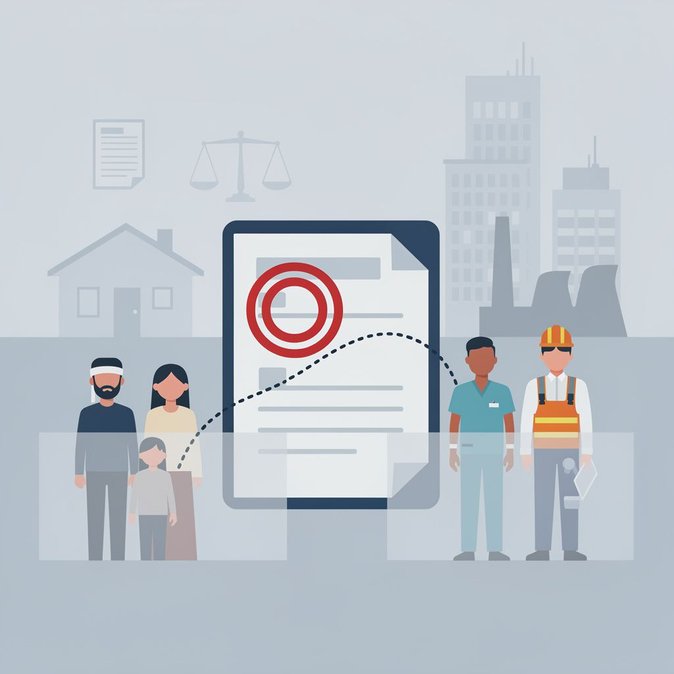
Exactly twelve months after Berlin halted family-reunification visas for people holding only ‘subsidiary protection’, the first comprehensive data set is available – and the picture is mixed. According to figures obtained by the Tagesspiegel and published by HNA on 29 June, a total of 63,200 reunion visas were issued between July 2025 and June 2026, compared with 120,000 in calendar year 2024. While the headline decline appears modest, the drop is much steeper for core nationalities: visas for Syrian and Afghan relatives fell by roughly 50 % (from more than 28,000 to 6,900). The numbers matter for employers because Syrians and Afghans make up a significant share of entry-level logistics, hospitality and care-sector workers. When spouses and children cannot follow, retention suffers: surveys by the German Economic Institute show attrition rates three times higher among staff separated from close family. Immigration lawyers also report a near stand-still in ‘hardship’ exemptions – only seven of 4,800 humanitarian applications were approved, five of them after court intervention. Politically, Interior Minister Alexander Dobrindt’s tighter line enjoys majority support in current polls, but courts are beginning to test the proportionality of the ban. Several administrative-court judges have questioned whether a permanent freeze is compatible with EU Directive 2003/86 on the right to family life for legally resident third-country nationals. Corporate mobility teams should prepare for continued uncertainty. HR departments sponsoring Blue Card or Skilled Immigration Act filings for junior employees from high-risk countries are advised to highlight the family-reunification obstacle early in recruitment discussions and consider additional settling-in allowances or extended home-leave budgets to mitigate turnover risk.
Source: HNA / Tagesspiegel
How VisaHQ can help
VisaHQ simplifies the visa application process for individuals and businesses. Check current travel requirements, prepare the required documents and manage your application online through the VisaHQ Germany portal.More From Germany
View all
German Police Dismantle Alleged Human-Smuggling Network in NRW, Arrest Syrian Ringleader
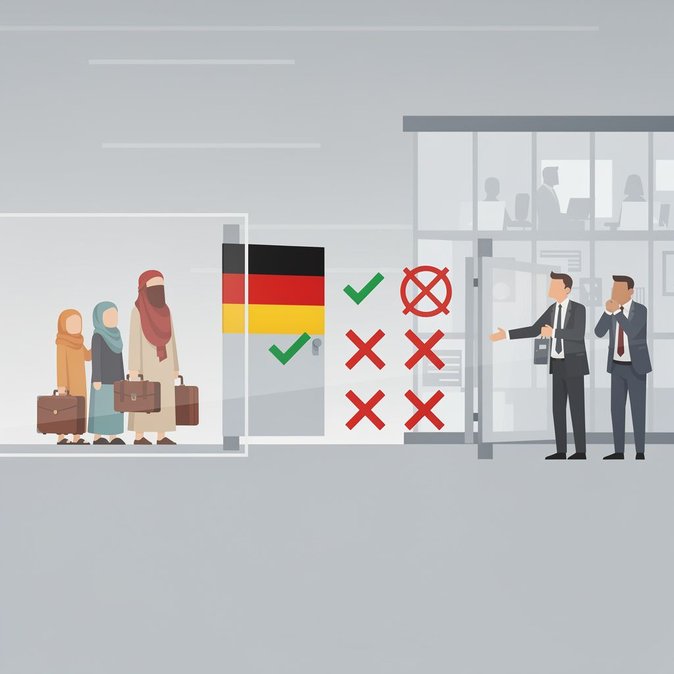
One-Year Review Shows Germany’s Family-Reunification Freeze Disproportionately Hurts Syrians and Afghans