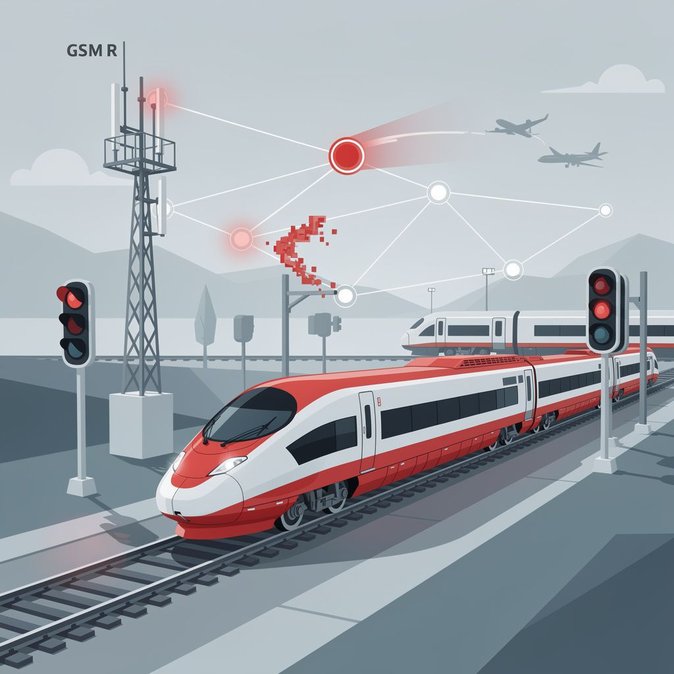
A detailed post-mortem published by the Frankfurter Rundschau on 30 June reveals that a cascading software failure in Deutsche Bahn’s digital radio network caused the 23 June standstill that stranded hundreds of thousands of passengers. The outage, which halted all long-distance and most regional trains for three hours, was traced to a mis-configured security update that blocked train-driver handhelds from authenticating to GSM-R base stations. While services have resumed, the incident underscores systemic weaknesses in DB’s IT architecture. Punctuality in long-distance services has already fallen to 60 % YTD, and the federal transport ministry now faces renewed calls to ring-fence the €45 billion digital rail programme from political budget cuts. For international businesses, reliability is becoming a strategic HR concern: Swiss subsidiaries are reportedly stopping delayed German trains at Basel to protect their own timetables, while global mobility teams complain that same-day rail meetings are no longer feasible. DB says it will accelerate the roll-out of redundant LTE-M back-up channels, but unions warn that insufficient staffing in signal-engineering units could slow progress. Analysts at Allianz Pro Schiene estimate that every percentage-point drop in punctuality costs the German economy €150 million in lost productivity. The episode may strengthen arguments for competition, complementing the Bundesnetzagentur’s newly proposed capacity cap. Stakeholders will watch whether chronic reliability issues push corporate travellers back to domestic flights, undermining sustainability targets.
Source: Frankfurter Rundschau