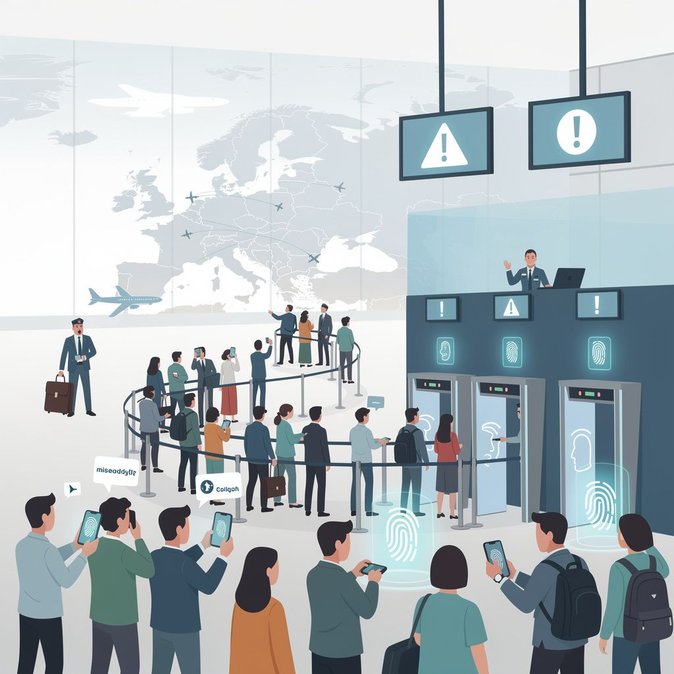
Europe’s three most influential aviation bodies — ACI Europe, Airlines for Europe (A4E) and the International Air Transport Association (IATA) — published an open letter on 1 July calling on European Commission president Ursula von der Leyen to grant member states immediate powers to suspend the Schengen Entry/Exit System (EES) when queues overwhelm border-control capacity. The biometric EES, fully in force since April, records each non-EU traveller’s facial image and four fingerprints on first arrival.
For travellers and corporate mobility planners looking for practical assistance, VisaHQ offers an efficient way to review the latest Schengen entry regulations, complete requisite forms online and receive country-specific updates before departure. Their Switzerland portal (https://www.visahq.com/switzerland/) centralises visa advice and compliance tools, helping passengers minimise surprises at Zürich, Geneva and Basel-Mulhouse checkpoints.
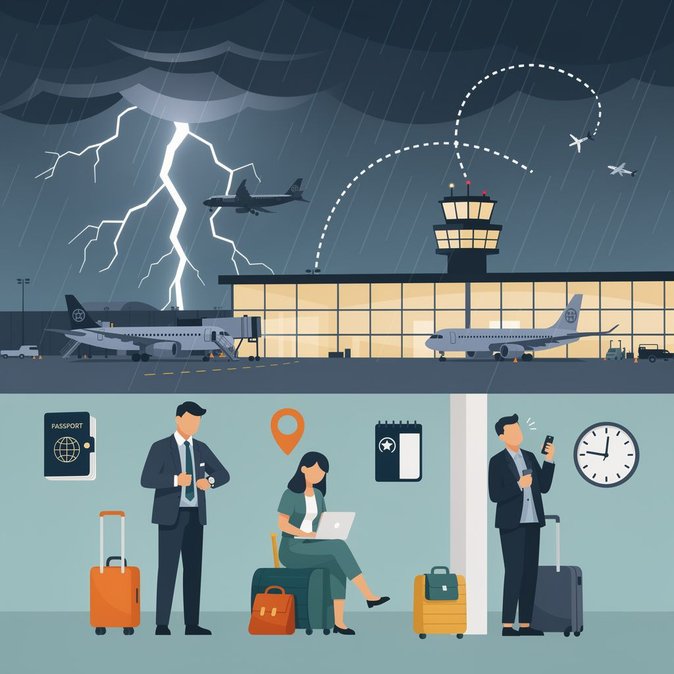
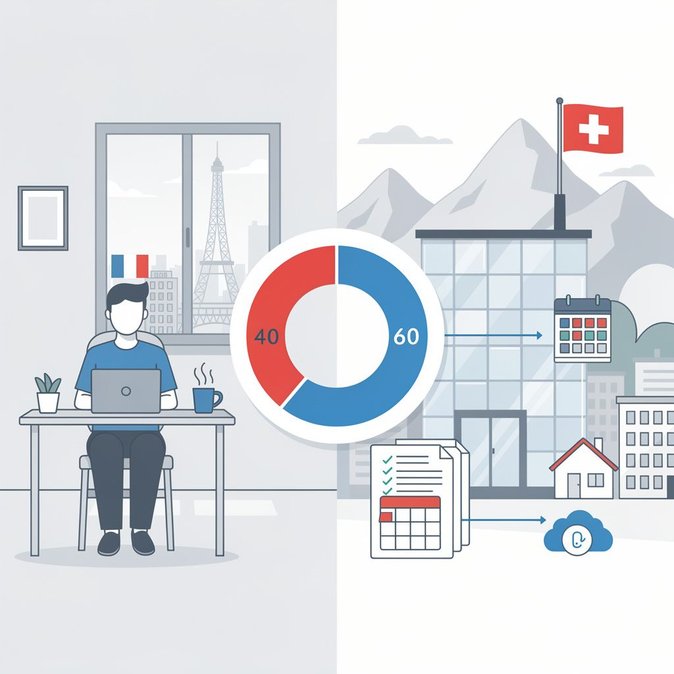
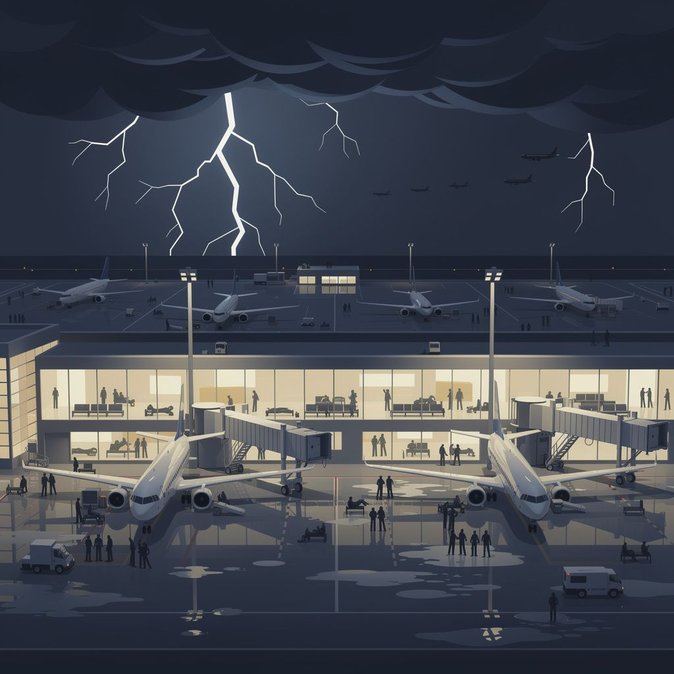
Although designed to tighten security and combat overstays, the rollout has created bottlenecks of up to five hours at peak periods, the letter says. Airlines are reporting half-empty aircraft at gate-closing time because passengers are still stuck in immigration lines, while smaller regional airports are forcing arriving travellers to queue outside terminals. Switzerland, whose airports at Zürich-Kloten, Geneva and Basel-Mulhouse are integrated into the Schengen frontier, has already felt the strain. Industry sources say Zürich’s non-EU lines routinely exceed one hour, and Geneva has reported 150-minute waits on weekends. Business-travel specialists warn that missed connections are starting to ripple through corporate itineraries, adding hotel and re-routing costs that employers must absorb. The aviation bodies want a two-step fix: (1) permission for any Schengen country to pause biometric collection throughout July–August whenever passenger volume exceeds staffing or kiosk capacity, and (2) a permanent ‘operational-flexibility’ clause by September that would allow targeted suspensions during future surge events. For Swiss multinationals and mobility managers the stakes are high. Tourism generates roughly 3 % of national GDP and Zurich airport is the primary hub for inter-continental assignees and visiting executives. If queues continue to deteriorate, companies may need to add arrival-day buffers, upgrade travellers to fast-track services, or reschedule meetings altogether. The letter makes clear that unless Brussels acts, Europe could lose global competitiveness to destinations offering smoother entry.
For travellers and corporate mobility planners looking for practical assistance, VisaHQ offers an efficient way to review the latest Schengen entry regulations, complete requisite forms online and receive country-specific updates before departure. Their Switzerland portal (https://www.visahq.com/switzerland/) centralises visa advice and compliance tools, helping passengers minimise surprises at Zürich, Geneva and Basel-Mulhouse checkpoints.
Although designed to tighten security and combat overstays, the rollout has created bottlenecks of up to five hours at peak periods, the letter says. Airlines are reporting half-empty aircraft at gate-closing time because passengers are still stuck in immigration lines, while smaller regional airports are forcing arriving travellers to queue outside terminals. Switzerland, whose airports at Zürich-Kloten, Geneva and Basel-Mulhouse are integrated into the Schengen frontier, has already felt the strain. Industry sources say Zürich’s non-EU lines routinely exceed one hour, and Geneva has reported 150-minute waits on weekends. Business-travel specialists warn that missed connections are starting to ripple through corporate itineraries, adding hotel and re-routing costs that employers must absorb. The aviation bodies want a two-step fix: (1) permission for any Schengen country to pause biometric collection throughout July–August whenever passenger volume exceeds staffing or kiosk capacity, and (2) a permanent ‘operational-flexibility’ clause by September that would allow targeted suspensions during future surge events. For Swiss multinationals and mobility managers the stakes are high. Tourism generates roughly 3 % of national GDP and Zurich airport is the primary hub for inter-continental assignees and visiting executives. If queues continue to deteriorate, companies may need to add arrival-day buffers, upgrade travellers to fast-track services, or reschedule meetings altogether. The letter makes clear that unless Brussels acts, Europe could lose global competitiveness to destinations offering smoother entry.