Ryanair warns of ‘queue chaos’ as EU airports struggle with new fingerprint checks
Quebec’s Flagship PEQ Program Reopens Today, Offering Foreign Graduates and Workers a Two-Year Window to Secure Permanent Residence
Spain Issues Over 600,000 Temporary Work Permits Under Fast-Track Regularisation Drive
Latest News

Spain’s mass-regularisation grants 609,000 undocumented migrants immediate work permits
Madrid says 1.17 million people applied for legal status under its April-to-June amnesty. Some 609,737 have already received temporary work permits, allowing them to fill labour shortages while their cases are reviewed. The scale of the programme bolsters Spain’s growth prospects but will test immigration offices and employers’ compliance processes.

UK completes nationwide roll-out of Electronic Travel Authorisation for 85 visa-free nationalities
As of 2 July the UK’s £16 Electronic Travel Authorisation is mandatory for all 85 visa-exempt nationalities. Business visitors without an ETA will be denied boarding, so companies are rushing to embed ETA checks in travel approval systems.
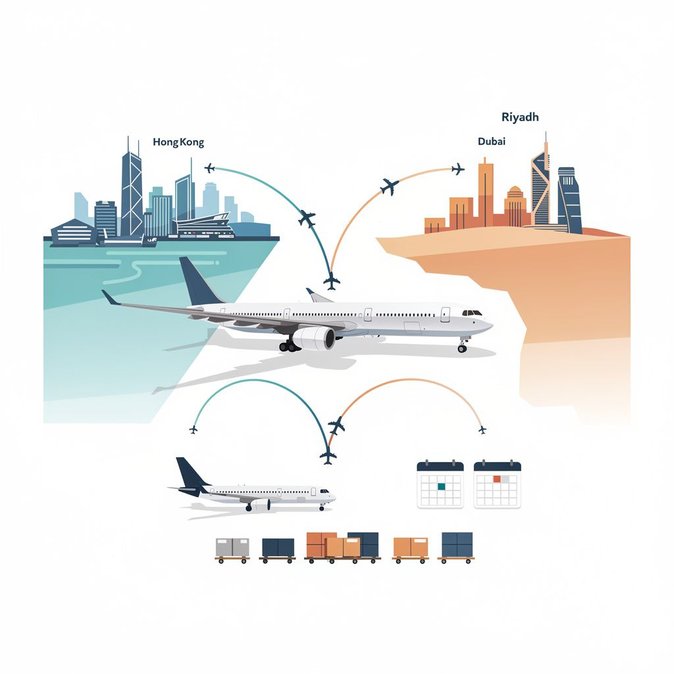
Cathay Pacific to Resume Dubai and Riyadh Passenger Flights From 1 September
Cathay Pacific will restart daily passenger flights to Dubai and four-times-weekly flights to Riyadh on 1 September, ending a suspension imposed after February’s regional conflict. Freighter services to Riyadh resume on 1 August. The move restores critical passenger and cargo capacity between Hong Kong and the Gulf, benefiting business travellers, relocation firms and exporters.

India Launches Digital e-OCI Card, Ending Physical Booklets for Overseas Citizens
The Ministry of Home Affairs has launched an electronic OCI card that can be applied for, approved and stored entirely online. The move removes physical booklets, cuts processing times and gives employers a simpler way to manage Indian diaspora staff mobility. Carriers will accept both digital and printed versions during an initial hand-over period.
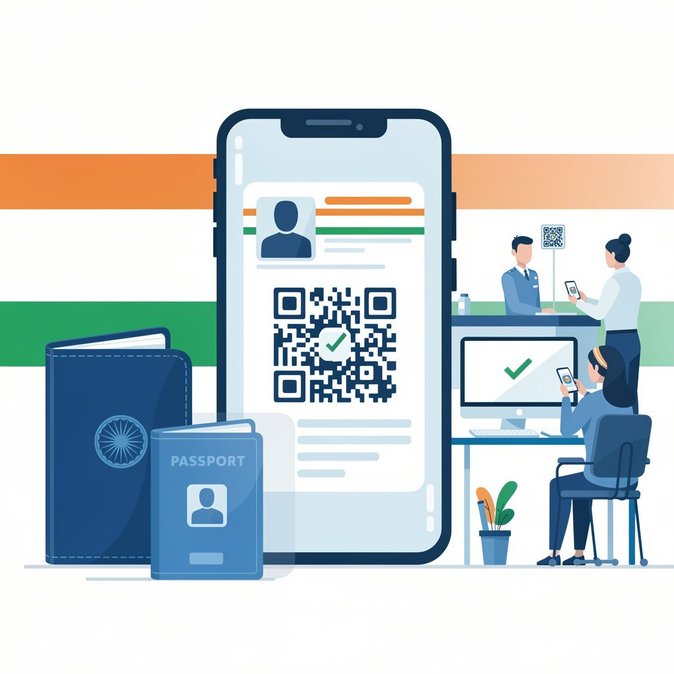
India launches e-OCI Card, ending paper booklet for 4.5 million overseas Indians
India has replaced the blue OCI booklet with a free, downloadable e-OCI card. The QR-coded credential speeds immigration, slashes re-issuance wait times and gives employers real-time status checks. Physical cards are optional; late passport-update penalties remain.

Ryanair says EU fingerprint checks risk ‘queue chaos’ for UK holiday-makers
Ryanair has told the European Commission its new biometric Entry/Exit System is not ready for peak traffic and should be suspended for July–August. The airline says early evidence of UK passengers missing flights shows airports cannot yet cope with mandatory fingerprint capture. Travel managers are being urged to schedule extra connection time and warn travellers of potential two-hour queues.

USCIS unveils sweeping integrity overhaul of the EB-5 investor visa program
USCIS has released a proposed rule that would overhaul EB-5 regulations by adding stricter anti-fraud measures, higher investment thresholds, mandatory audits, and new penalties for regional centers. Comments are due 31 August 2026, and a final rule could arrive in 2027, giving companies and investors little time to adapt.

Ryanair Sounds Alarm Over France’s Readiness for EU Biometric Border Checks
Ryanair warned on 2 July that airports including Paris-Beauvais are unprepared for the EU’s new biometric Entry/Exit System, predicting “queue chaos” without a summer suspension of fingerprint checks. French border posts currently lack enough kiosks to process holiday-season volumes, risking missed flights for business and leisure travellers alike. The European Commission has called an urgent meeting, but companies should already factor longer border-clearance times into travel schedules.

German Airports Urge Brussels to Allow Temporary Suspension of New EU Biometric Border Checks
Frankfurt and Berlin airports have joined EU-level airline and airport associations in asking the European Commission for powers to suspend or scale back the new Entry/Exit System when queues overwhelm border facilities. With non-EU travellers already facing waits of up to five hours, German hubs warn of mass re-bookings and operational chaos during the imminent school-holiday surge. Business travellers and assignees are advised to build in longer connection times and carry proof of their biometric enrolment.
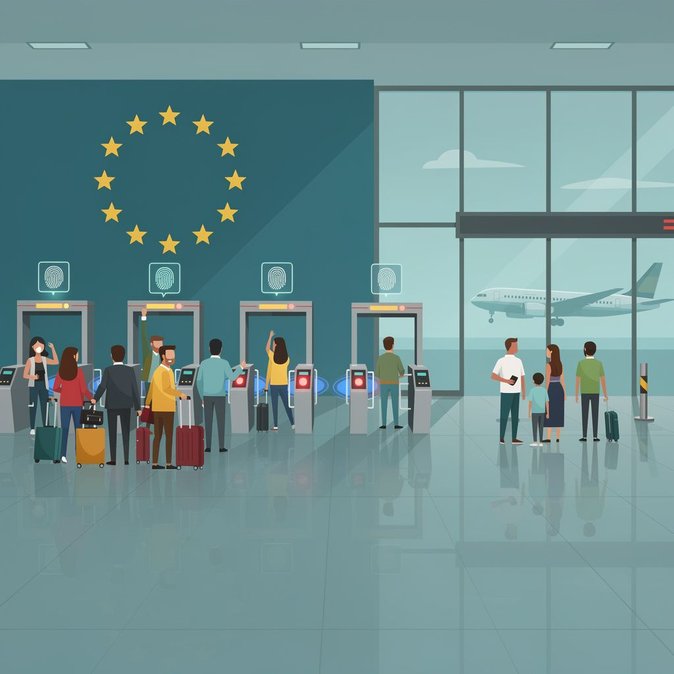
Ryanair Sounds Alarm Over EU Biometric Border Checks—but Cyprus Remains Outside the System
Ryanair has warned the European Commission that the new Schengen Entry/Exit System is already creating long queues at several airports and could wreck the summer peak. Cyprus, one of only two EU states not yet in EES, will avoid the fingerprint checks for direct arrivals, but travellers transiting a Schengen hub may be caught out. Mobility teams should build extra connection time or reroute staff, while EU officials consider a temporary suspension of the controls. This underlines Cyprus’s continued exemption from Schengen-wide border technology.

Visa application charges jump 25 % from 1 July, business groups warn of travel-cost shock
From 1 July 2026 Australia increased Visa Application Charges by roughly 25 % across most subclasses. Business and education groups say the unannounced hike will discourage students, tourists and skilled migrants, adding thousands of dollars to relocation budgets. Companies should revise mobility cost forecasts and lodge any urgent applications as soon as possible.

Austria’s Family-Reunification Ban Expires, Leaving Migrants in a Legal Vacuum
An emergency decree blocking refugee family reunification expired on 2 July, but Austria’s replacement quota has not yet been enacted, effectively suspending all new applications. Legal experts call the gap unlawful and NGOs plan an EU complaint, while employers face uncertainty about when skilled refugees will be able to reunite with their families.