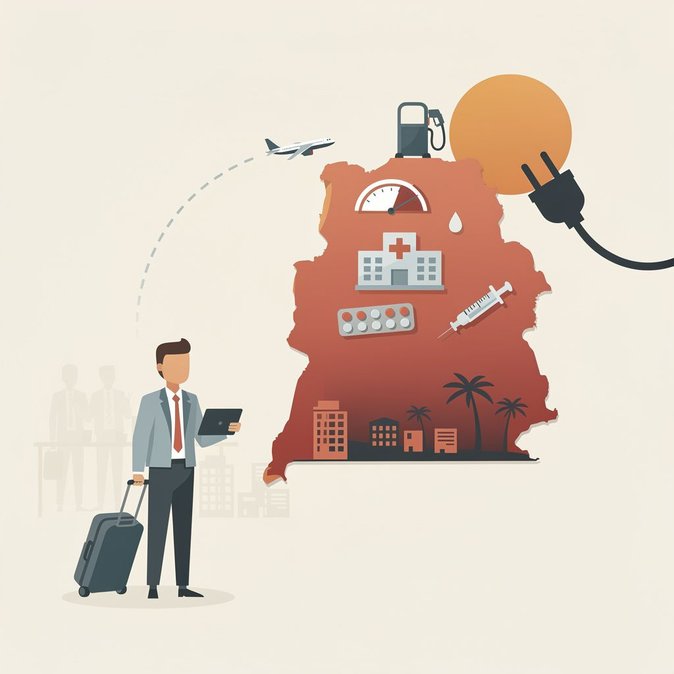
On 2 July the Auswärtiges Amt refreshed its travel and security advice for Cuba, emphasising extreme shortages of fuel and basic medicines. German nationals are warned that emergency medical evacuation may be the only viable option in serious cases and that commercial repatriation flights can no longer be guaranteed. The advisory notes that power cuts now last up to 18 hours in some provinces, disrupting refrigeration for pharmaceuticals and food. It also reiterates that, pending Cuba’s full adoption of a digital visa system, German tourists may still enter with the traditional ‘Tarjeta del Turista’ until at least December 2025—a grace period useful for cruise passengers embarking in European ports. Companies sending technicians to Cuban manufacturing joint ventures should reassess contingency plans. Several German Mittelstand firms have already stockpiled generator fuel and first-aid kits on-site, while others are rotating staff through Mexico City to ensure evacuation options. Medical-insurance providers Allianz and HanseMerkur told clients that premiums for Cuba assignments will rise by roughly ten percent from 15 July, citing higher air-ambulance costs to Miami or Cancún. HR should confirm that assignees’ policies cover ‘failure of local healthcare infrastructure,’ a clause not always standard in corporate plans. Travel managers are further advised to monitor the Cuban government’s pilot scheme for an electronic entry visa; once rolled out, group tour operators will no longer be able to issue paper tourist cards at German airports.
Source: Auswärtiges Amt