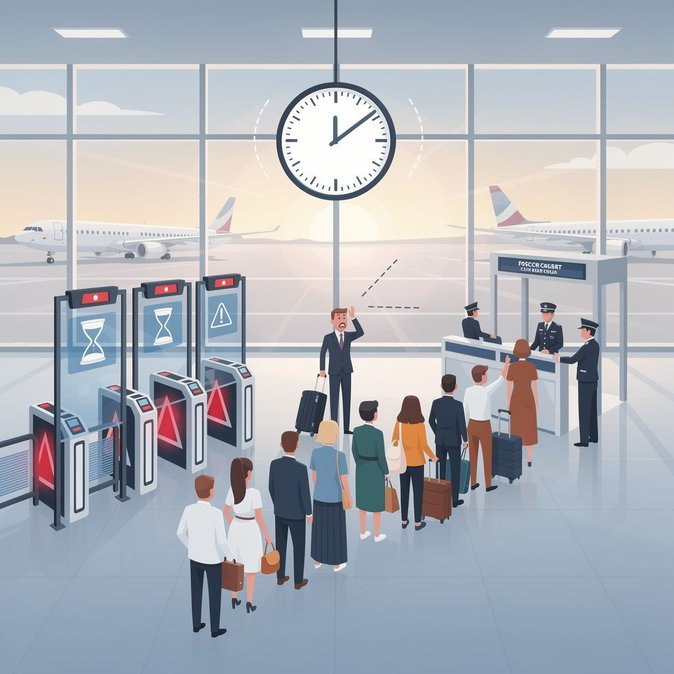
Passengers travelling via Brussels Airport this summer can breathe a sigh of relief. In a wide-ranging interview published on 3 July 2026, airport chief executive Arnaud Feist confirmed that agreements have been struck with both Skeyes (Belgium’s air-traffic-control agency) and baggage-handling firm Aviapartner, ending months of disruptive wildcat walk-outs that led to hundreds of cancelled flights in May and June. Under the deal, Skeyes staff receive a phased pay rise tied to the delayed launch of the agency’s new digital control centre, while Aviapartner has withdrawn a controversial payroll overhaul and promised a joint review with trade-union delegates. For business travellers and corporates managing expatriate assignments, the truce removes a major operational headache. Brussels Airport expects more than 5 million passengers between July and August—roughly 15 % of Belgium’s annual passenger volume—and had warned that any further stoppages could paralyse transfer banks serving the EU institutions and NATO headquarters. Feist nevertheless urged legislators to make strike-notice periods compulsory in essential transport services, arguing that “passengers have rights too.” Beyond labour peace, the airport is doubling down on resilience measures introduced after last month’s chaos: a 30-member rapid-response team to back-fill critical posts, an AI-driven baggage-routing dashboard, and a new SMS alert system for corporate travel managers. Airlines report that average departure punctuality has already rebounded to 82 % from a low of 54 % during the mid-June stoppage. Analysts say the agreement illustrates growing political pressure in Belgium to balance the constitutional right to strike with the country’s ambition to remain a premier hub for EU decision-makers and multinational HQs. HR consultants are advising companies with time-sensitive assignees to keep contingency hotel blocks in place but note that, for now, “the risk rating for Brussels-Zaventem has shifted from ‘high’ to ‘moderate’.” In practical terms, mobility managers should: 1) resume normal booking patterns for connecting itineraries through Brussels, 2) inform travellers that voluntary re-routing waivers have been rescinded, and 3) monitor social-dialogue updates—particularly around the rollout of the new digital control tower in October.
Source: The Brussels Times