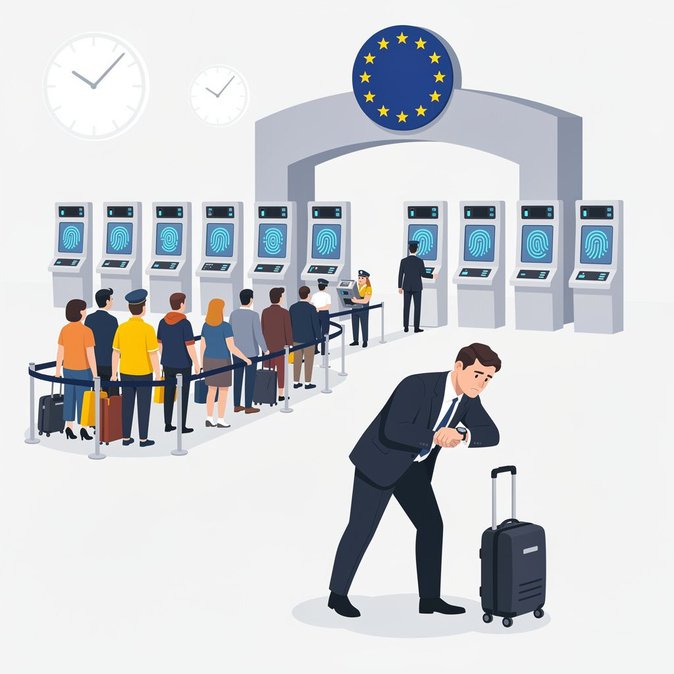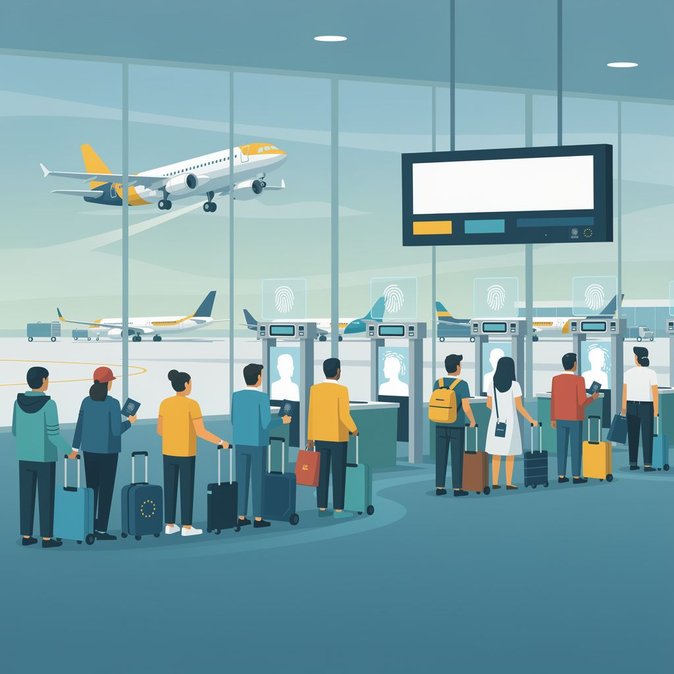
Europe’s largest low-cost carrier turned up the heat on Brussels on Thursday, calling the new Entry/Exit System “half-baked” and demanding its suspension until at least September. In a sharply worded statement first reported by The Guardian, Ryanair’s Chief Operations Officer Neal McMahon said passengers “should not be used as guinea pigs” and listed seven airports already experiencing severe disruption. Although no Belgian airport made that top-seven list, company insiders told the newspaper that Zaventem and Charleroi are “on a watch-list” as school holidays begin. Ryanair’s intervention matters because the carrier moves more passengers through Charleroi than any other airline and accounts for 27 % of intra-EU seat capacity touching Belgium.
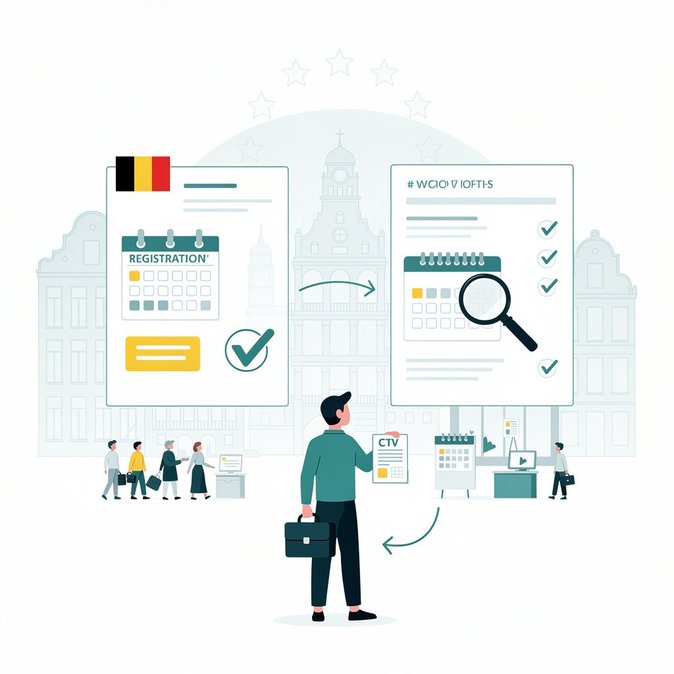
For travellers now wondering what paperwork or digital pre-clearance they might need, online platform VisaHQ can step in. Through its Belgium-dedicated page (https://www.visahq.com/belgium/) the firm tracks the latest border regulations, facilitates visa or ETIAS applications, and offers corporate account management—giving companies a buffer against sudden rule changes such as those surrounding EES.
A full suspension of fingerprint capture would require the European Commission to invoke an emergency clause allowing member states to waive biometric collection if queues jeopardise safety. Airlines for Europe (A4E) and ACI Europe echoed the call in a joint letter to Commission President Ursula von der Leyen, arguing that border posts are “not ready to manage the high volumes expected from mid-July”. The business community is watching closely. Belgian chambers of commerce fear that long outbound lines could deter short-haul corporate day trips—an important segment for the country’s life-sciences and technology exporters. “Lost productivity from missed connections quickly outweighs any security benefit if the system is not fully operational,” warned Voka’s mobility expert Gianni Duvillier. EU officials responded that average processing times are 70 seconds and that airports may already suspend checks temporarily when congestion builds, a flexibility granted until 1 September. The Commission has nevertheless convened an urgent meeting with airlines and airport CEOs next Tuesday. For now, travel-managers are advising executives to fly on late-morning services and to keep itineraries flexible until clarity emerges.
For travellers now wondering what paperwork or digital pre-clearance they might need, online platform VisaHQ can step in. Through its Belgium-dedicated page (https://www.visahq.com/belgium/) the firm tracks the latest border regulations, facilitates visa or ETIAS applications, and offers corporate account management—giving companies a buffer against sudden rule changes such as those surrounding EES.
A full suspension of fingerprint capture would require the European Commission to invoke an emergency clause allowing member states to waive biometric collection if queues jeopardise safety. Airlines for Europe (A4E) and ACI Europe echoed the call in a joint letter to Commission President Ursula von der Leyen, arguing that border posts are “not ready to manage the high volumes expected from mid-July”. The business community is watching closely. Belgian chambers of commerce fear that long outbound lines could deter short-haul corporate day trips—an important segment for the country’s life-sciences and technology exporters. “Lost productivity from missed connections quickly outweighs any security benefit if the system is not fully operational,” warned Voka’s mobility expert Gianni Duvillier. EU officials responded that average processing times are 70 seconds and that airports may already suspend checks temporarily when congestion builds, a flexibility granted until 1 September. The Commission has nevertheless convened an urgent meeting with airlines and airport CEOs next Tuesday. For now, travel-managers are advising executives to fly on late-morning services and to keep itineraries flexible until clarity emerges.