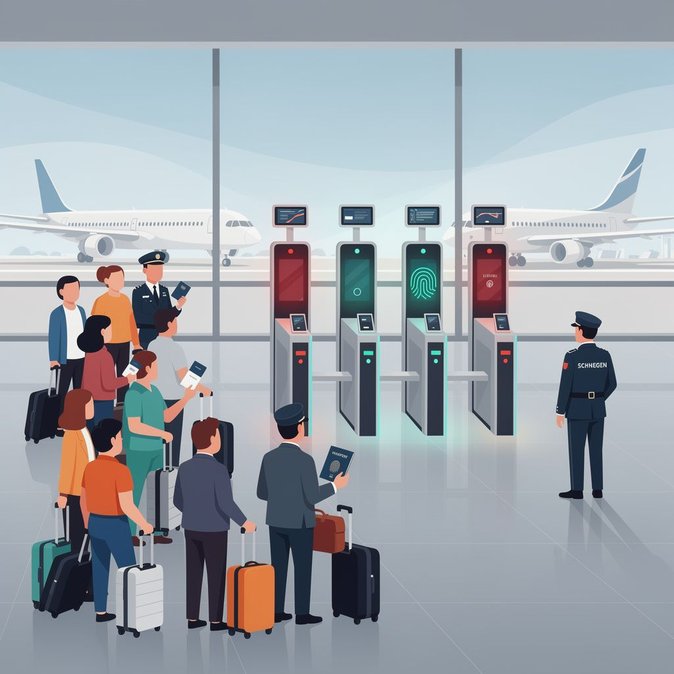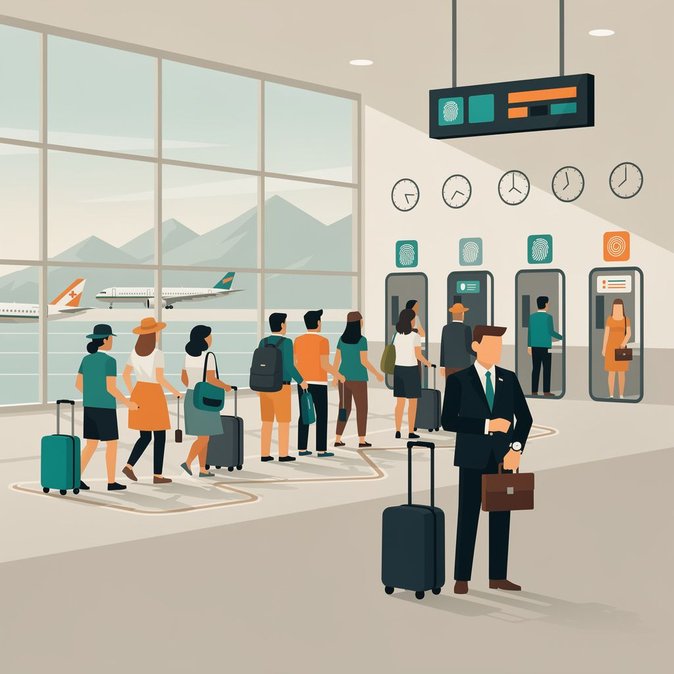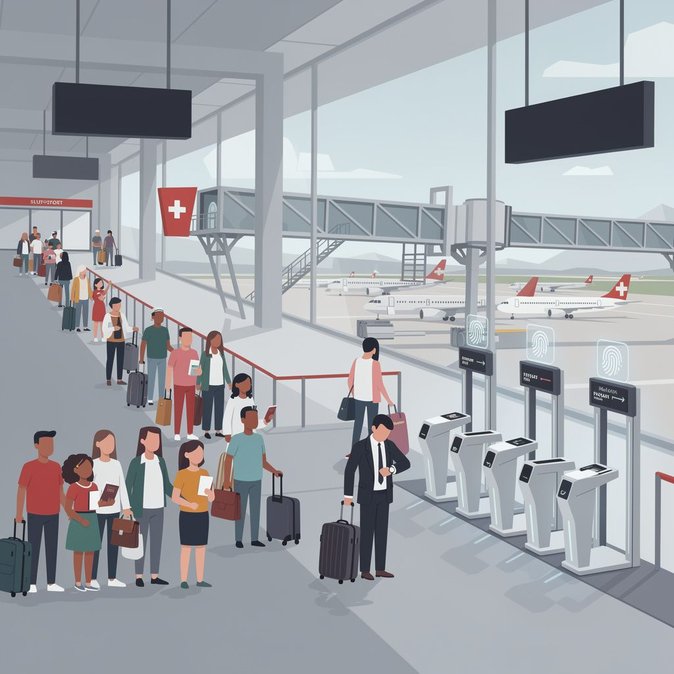
Switzerland’s three international gateways—Zurich, Geneva and Basel EuroAirport—have issued joint warnings that passengers should arrive much earlier than usual for departures during the July-August peak. The advice follows a surge in wait times caused by the European Union’s new biometric Entry/Exit System (EES). Airport officials say the combination of record leisure demand and the extra steps required for non-EU/EFTA travellers—passport scan, facial image and four fingerprints per person—has lengthened border-control processing by up to an hour on busy days. Zurich is asking passengers to be on site “at least two hours” before take-off, while Geneva recommends “three hours, especially at weekends.” Basel warns that even arriving two hours ahead may leave little margin if queues build suddenly. Behind the scenes, the Federal Office of Customs and Border Security (BAZG) has redeployed officers and installed additional self-service kiosks, but airports say staffing is already at maximum. Trade groups fear the delays could spill over into missed connections and schedule disruption, jeopardising Switzerland’s reputation for seamless connectivity. Travel-management companies are urging corporates to brief mobile staff, book earlier morning departures where possible, and allow extra transfer time when routing via Switzerland to onward Schengen destinations. Airlines report that premium-cabin and status travellers—often the first to reach immigration—have also been caught in bottlenecks, underlining that fast-track lanes offer limited relief when the entire system slows down. Looking ahead, authorities hope incoming EU “EES 2.0” software updates and the planned ETIAS pre-travel authorisation, now slated for Q4 2026, will eventually streamline flows. Until then, travellers should expect Switzerland’s trademark efficiency to be tested at the border this summer.
Source: The Local Switzerland