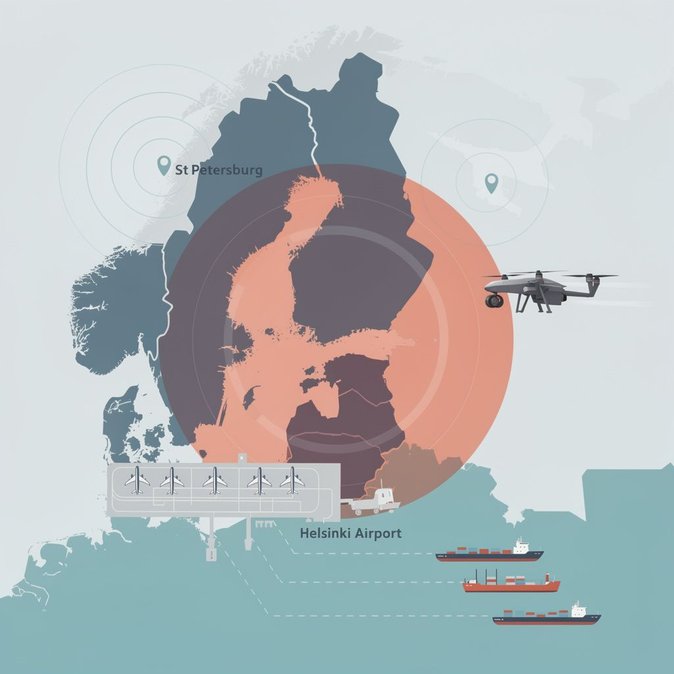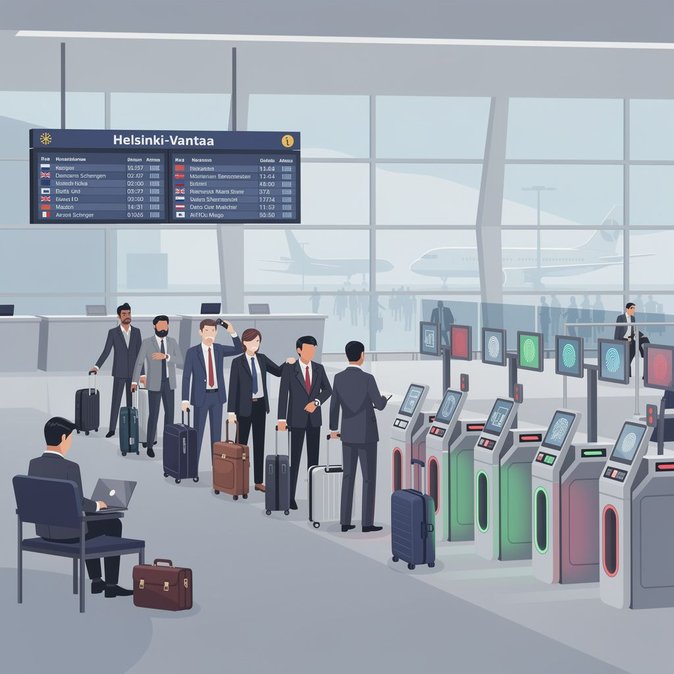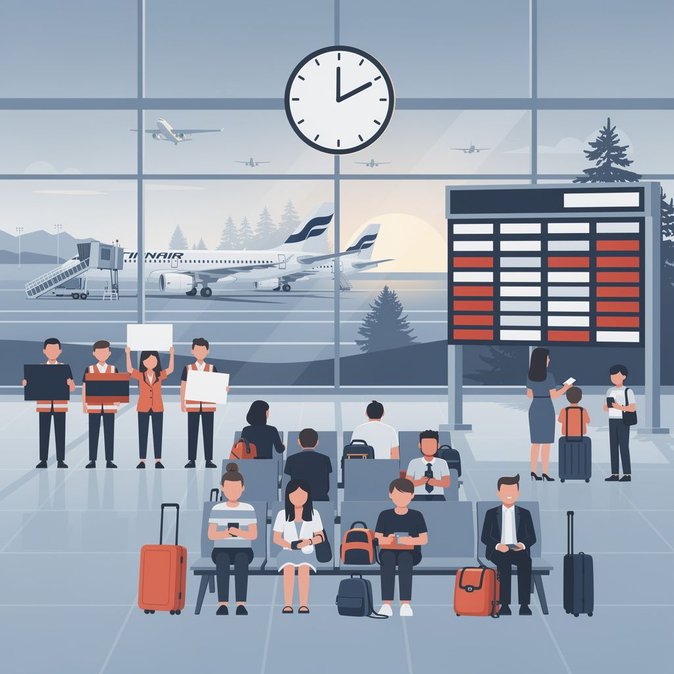
Finland’s peak summer travel weekend was up-ended on Saturday when members of the Finnish Aviation Union (IAU) staged a four-hour strike that forced flag-carrier Finnair to cancel roughly 80 short- and medium-haul flights. Ground-handling, catering and technical-services staff walked out at 07:00 local time on 4 July after wage talks stalled. The union says the carrier’s latest offer—6.4 percent over two years—lags far behind the 10.4 percent increases recently secured by other Finnish transport sectors. Cancellations centred on Finnair’s Helsinki hub, disrupting feeder legs that connect the airline’s long-haul Asian services to European destinations. Finavia estimated that some 10,000 passengers were affected, many of them onward travellers to North America and Japan. The carrier offered free rebooking or refunds and said it would “make every effort to reaccommodate” disrupted customers on partner airlines, but seat availability is tight: Helsinki Airport is handling record volumes after a 14 percent year-on-year rebound in passenger numbers. The dispute adds another headache for corporate travel managers already grappling with Europe-wide staffing shortages and the rollout of the EU Entry/Exit biometric system, which is lengthening border-control times for non-EU nationals. Finnair has warned that further IAU walkouts could occur later in July if salary talks do not progress, and Italian ATC strikes on 5 July may compound delays for flights transiting Italian airspace. Companies with time-critical mobility needs should therefore build extra buffer into itineraries and remind travellers of their EU 261 compensation rights for cancelled services. At the heart of the stand-off is Finland’s unique wage-setting model, in which sectoral deals benchmark subsequent negotiations across the economy. The IAU argues that because manufacturing and tech employees secured double-digit raises earlier this year, aviation staff deserve the same to offset inflation that still exceeds 4 percent. Finnair retorts that its balance sheet remains fragile after the pandemic and the loss of Russian over-flight rights, which added 15 percent to flight times on its once-lucrative Asia network. Longer term, analysts fear repeated labour unrest could erode Helsinki’s hub-and-spoke competitiveness. The airport markets itself as the fastest connection between Europe and Asia, but reliability is becoming as crucial as block time. Travel-risk teams should track union strike notices (usually filed 14 days in advance under Finnish labour law) and pre-book contingency routings via Stockholm or Copenhagen when possible.
Source: AK&M Newswire