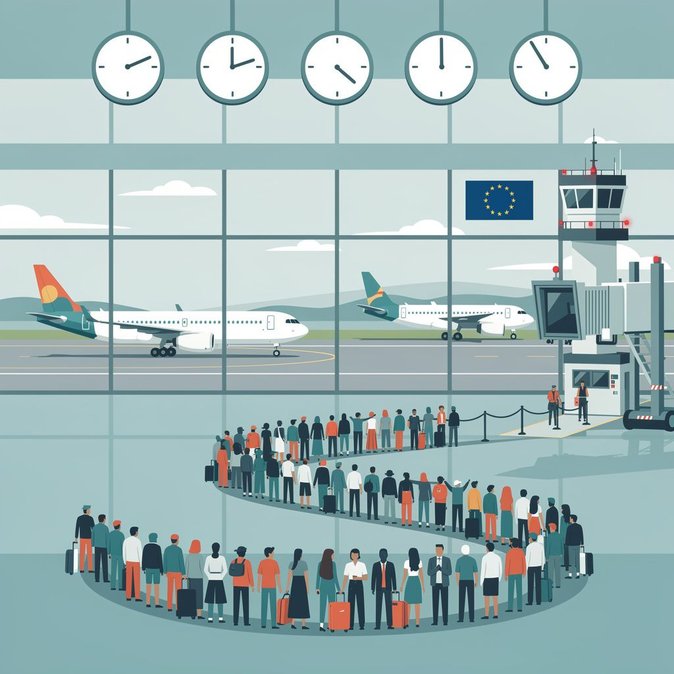
STRASBOURG – Addressing the European Parliament on 6 July 2026, Taoiseach Micheál Martin laid out the programme for Ireland’s six-month Presidency of the Council of the European Union. While security, competitiveness and the 2028-34 Multi-Annual Financial Framework headline the agenda, Martin told MEPs that “seamless mobility of people, goods and skills across our Union must underpin everything we do.” The Taoiseach pledged to press for final agreement on the ‘Single Permit’ revision that would allow non-EU nationals to change employer and move between Member States more freely. He also committed to accelerating negotiations on the recast Long-Term Residents Directive and to “keeping the pressure on” for the Entry/Exit System (EES) optimisation so that airport biometrics “add speed, not queues.” For Irish employers the message is clear: expect Brussels files that directly influence how quickly critical-skill hires can be redeployed around the bloc. Martin confirmed Dublin will host informal ministerial meetings on employment (5-6 July, Ballina) and competitiveness (9-10 July, Dublin) where labour-market shortages and mutual recognition of professional qualifications will take centre stage. Commenting after the speech, Ibec’s EU & International manager Aileen O’Reilly said companies “want the Presidency to unlock real progress on intra-EU assignments—shorter permit processing, transferable social-security coverage and less duplication of posted-worker notifications.” The Presidency’s emphasis on mobility dovetails with Ireland’s own economic priorities. The country needs foreign talent to sustain growth in technology, life-sciences and green energy. Streamlining EU-level rules could cut red tape for the 400+ multinationals that run their EMEA hubs from Dublin and Cork, while also making it easier for Irish staff to take up postings on the continent. Businesses should monitor Presidency briefings, engage in consultations and review assignment policies in light of the expected legal changes by year-end.