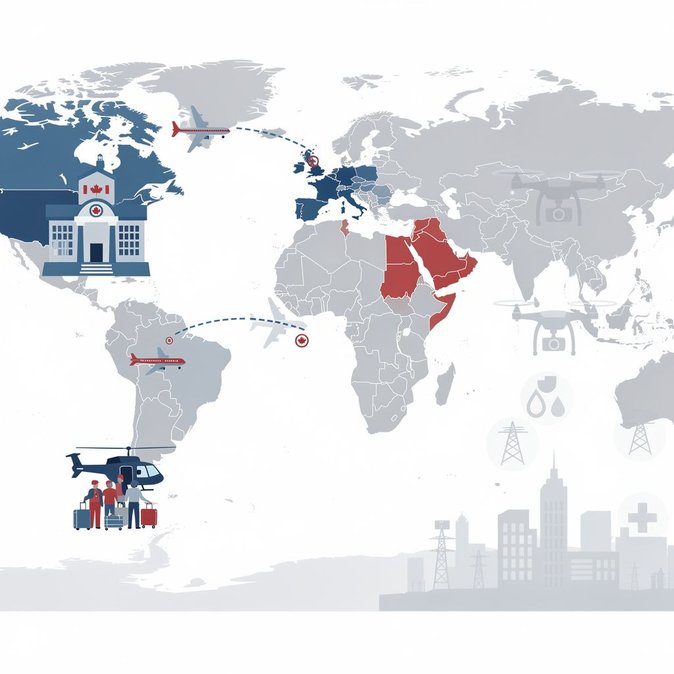
Global Affairs Canada refreshed its Sudan travel advice on the morning of 7 July 2026, reiterating an ‘Avoid all travel’ warning and removing a previous dengue health notice. The update cites renewed drone strikes in Port Sudan and worsening humanitarian conditions, noting that Khartoum’s main airport remains closed and overland routes are highly dangerous. For Canadian organisations with personnel or contractors in Sudan, the advisory underscores the need for immediate evacuation planning and suspension of non-essential assignments. Commercial departure options are limited to Port Sudan’s airport, which itself faces security threats and may close without notice. The notice also warns of disrupted banking, fuel shortages and intermittent telecommunications—factors that complicate payroll, insurance and duty-of-care obligations for employers. Companies must verify that emergency contact details for Canadian staff are registered with the Government of Canada’s Registration of Canadians Abroad service. In immigration terms, Sudanese nationals applying for Canadian visas or PR may face difficulties obtaining travel documents or attending biometrics appointments. Mobility teams should anticipate delays and consider alternative biometric collection points in neighbouring countries where safe travel is possible. While the update does not impose additional entry restrictions on travellers coming from Sudan, Canadian border officers may apply heightened scrutiny. Employers should prepare supporting letters and contingency housing for any Sudanese transferees arriving in Canada during the crisis.