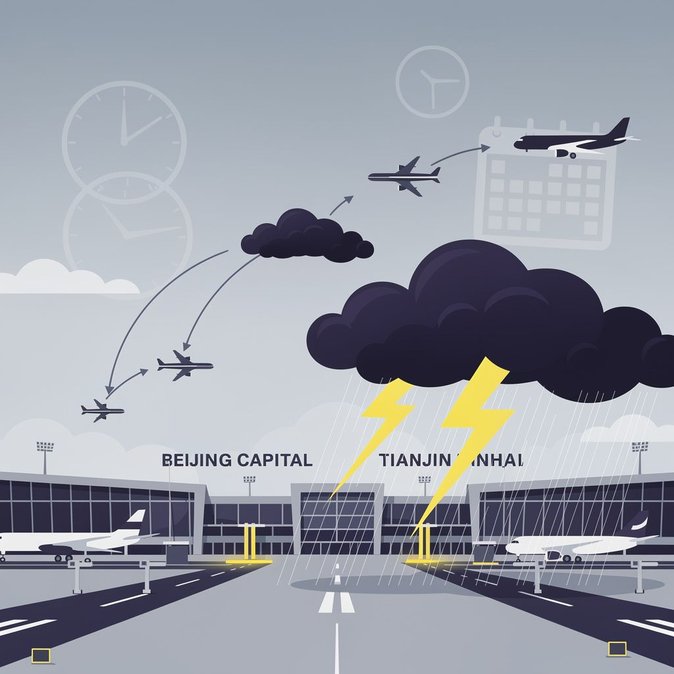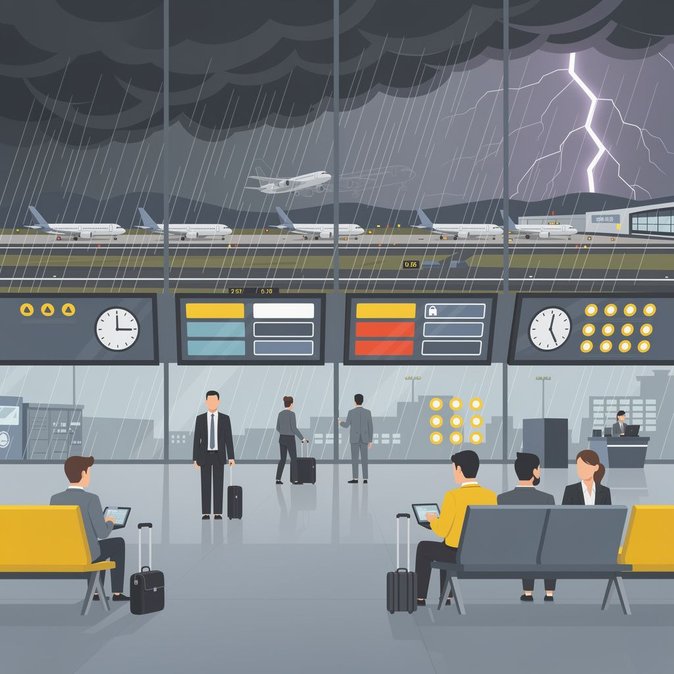
Southern China’s tech capital faced its own travel head-aches on 7 July when Shenzhen Bao’an International Airport (SZX) activated a “large-scale flight delay – yellow” contingency at 09:55. Overnight monsoon downpours had already pushed the airport’s rain gauges past 80 mm; by mid-morning, lightning strikes within an eight-kilometre radius forced multiple ramp evacuations.
For travelers caught up in such disruptions, ensuring visa flexibility is just as critical as rebooking flights. VisaHQ’s online platform can expedite Chinese visa extensions or facilitate fresh entries, and its real-time alerts help corporate travel managers stay ahead of sudden regulatory changes—valuable support when weather throws itineraries into disarray.
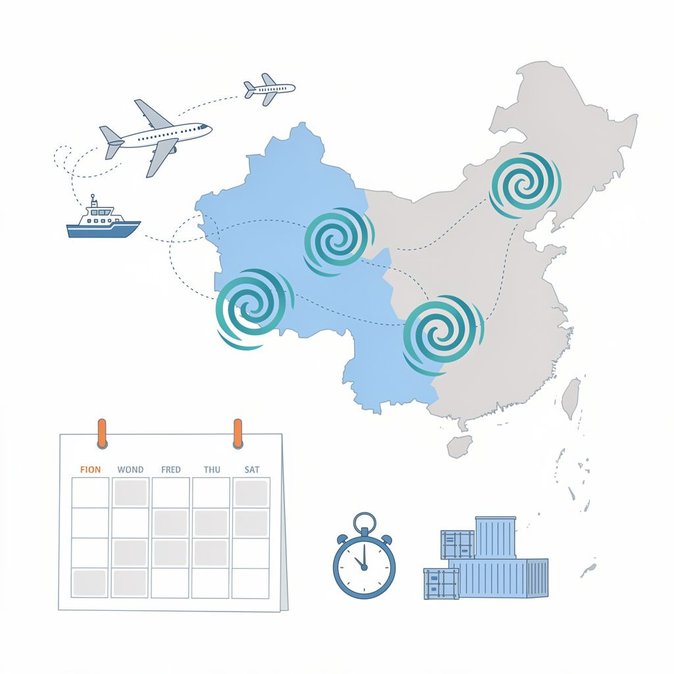
Airport operations data show that by 16:00 more than 50 departures were delayed by at least one hour and airlines had proactively cancelled over 100 services. China Southern, Spring Airlines and UPS each diverted cargo flights to Guangzhou to maintain onward connections. The airport set up a “one flight, one task-force” mechanism, redeploying customer-service staff to distribute meal vouchers and re-route passengers onto the Guangzhou–Shenzhen inter-city rail line. Shenzhen’s airport delays are particularly painful for the region’s semiconductor and fintech sectors, which rely on same-day shuttles to Beijing, Shanghai and Hong Kong for investor roadshows and component shipments. Over the past three summers, SZX has averaged 28 weather-delay days, but this year’s early start suggests that record could be broken. Travel managers are being urged to consider dual-ticket strategies (air plus high-speed rail) and to ensure that critical staff have China’s real-name rail booking apps installed in advance. Insurers report a spike in delay-benefit claims from expatriate assignees newly arrived under Guangdong’s talent visa schemes.
For travelers caught up in such disruptions, ensuring visa flexibility is just as critical as rebooking flights. VisaHQ’s online platform can expedite Chinese visa extensions or facilitate fresh entries, and its real-time alerts help corporate travel managers stay ahead of sudden regulatory changes—valuable support when weather throws itineraries into disarray.
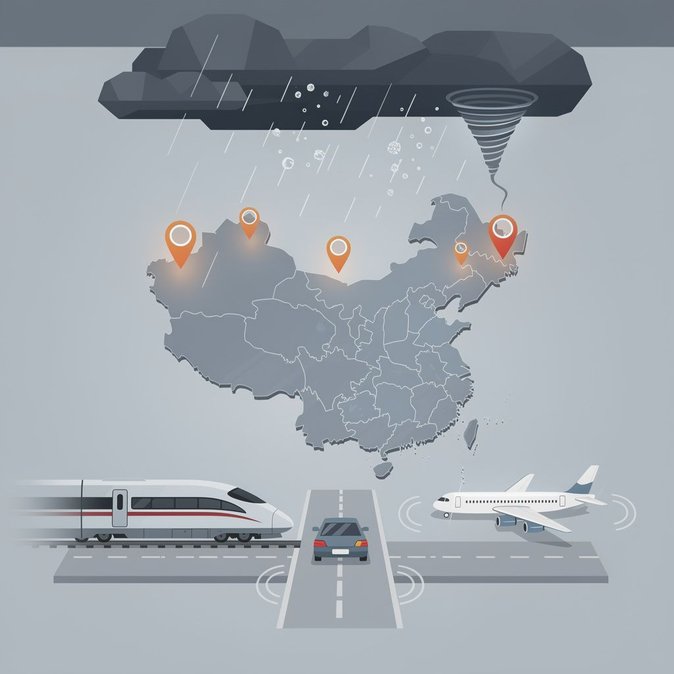
Airport operations data show that by 16:00 more than 50 departures were delayed by at least one hour and airlines had proactively cancelled over 100 services. China Southern, Spring Airlines and UPS each diverted cargo flights to Guangzhou to maintain onward connections. The airport set up a “one flight, one task-force” mechanism, redeploying customer-service staff to distribute meal vouchers and re-route passengers onto the Guangzhou–Shenzhen inter-city rail line. Shenzhen’s airport delays are particularly painful for the region’s semiconductor and fintech sectors, which rely on same-day shuttles to Beijing, Shanghai and Hong Kong for investor roadshows and component shipments. Over the past three summers, SZX has averaged 28 weather-delay days, but this year’s early start suggests that record could be broken. Travel managers are being urged to consider dual-ticket strategies (air plus high-speed rail) and to ensure that critical staff have China’s real-name rail booking apps installed in advance. Insurers report a spike in delay-benefit claims from expatriate assignees newly arrived under Guangdong’s talent visa schemes.