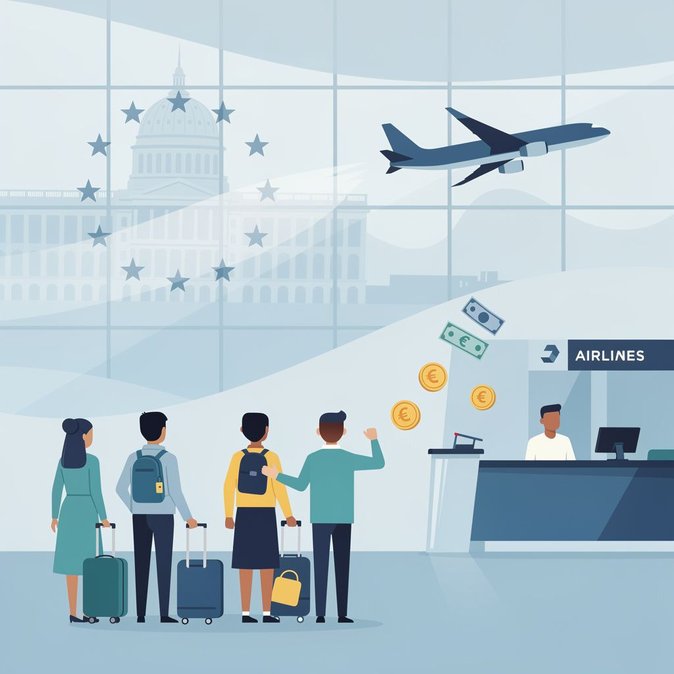
Travel Weekly reports that the European Travel Information and Authorisation System (ETIAS) — the €20 pre-travel permit for visa-exempt visitors to the Schengen Area — is now unlikely to go live before 2027, a delay blamed on teething problems with the new Entry/Exit System (EES). The Financial Times cited by Travel Weekly says Member States agreed informally on 7 July to postpone implementation after airports such as Schiphol and Dover recorded multi-hour queues when EES biometric kiosks went live in spring.
Organisations and travellers seeking clarity on shifting timelines or alternative authorisation regimes can streamline the process by consulting VisaHQ’s Ireland portal, which aggregates real-time entry requirements, reminder tools and application services for Schengen, UK ETA and scores of other destinations — a single stop that spares HR and travel teams the guesswork while the EU fine-tunes its systems.
Although Ireland is outside Schengen and will not join ETIAS, the scheme would still have affected thousands of business travellers transiting through European hubs or undertaking multi-country trips that start or finish in Dublin. HR and travel-management companies had been bracing for an extra layer of compliance, including data-capture of Irish staff who hold non-EU passports (e.g., US assignees) and regular EU visitors from markets like Brazil and Singapore. The deferral means Irish firms can shelve ETIAS budget allocations for at least another year and focus instead on the UK’s Electronic Travel Authorisation (ETA) roll-out — already mandatory for Qatari nationals and due to cover all visa-free nationalities except Irish citizens from February 2026. Travel buyers should also keep an eye on the Commission’s forthcoming review of carrier sanctions: airlines will be liable for boarding passengers without approved ETIAS once the system does go live. Irish airports stand to benefit commercially; daa had warned that staffing and IT upgrades to check ETIAS authorisations at boarding gates would cost “low-seven-figure” sums. The delay frees capital for sustainability projects such as Dublin Airport’s new solar farm. Nevertheless, the core message to globally mobile employees remains: carry the same passport that was used for any electronic travel authorisation and verify its validity for six months beyond the trip — a common point of failure flagged by corporate travel insurers.
Organisations and travellers seeking clarity on shifting timelines or alternative authorisation regimes can streamline the process by consulting VisaHQ’s Ireland portal, which aggregates real-time entry requirements, reminder tools and application services for Schengen, UK ETA and scores of other destinations — a single stop that spares HR and travel teams the guesswork while the EU fine-tunes its systems.
Although Ireland is outside Schengen and will not join ETIAS, the scheme would still have affected thousands of business travellers transiting through European hubs or undertaking multi-country trips that start or finish in Dublin. HR and travel-management companies had been bracing for an extra layer of compliance, including data-capture of Irish staff who hold non-EU passports (e.g., US assignees) and regular EU visitors from markets like Brazil and Singapore. The deferral means Irish firms can shelve ETIAS budget allocations for at least another year and focus instead on the UK’s Electronic Travel Authorisation (ETA) roll-out — already mandatory for Qatari nationals and due to cover all visa-free nationalities except Irish citizens from February 2026. Travel buyers should also keep an eye on the Commission’s forthcoming review of carrier sanctions: airlines will be liable for boarding passengers without approved ETIAS once the system does go live. Irish airports stand to benefit commercially; daa had warned that staffing and IT upgrades to check ETIAS authorisations at boarding gates would cost “low-seven-figure” sums. The delay frees capital for sustainability projects such as Dublin Airport’s new solar farm. Nevertheless, the core message to globally mobile employees remains: carry the same passport that was used for any electronic travel authorisation and verify its validity for six months beyond the trip — a common point of failure flagged by corporate travel insurers.