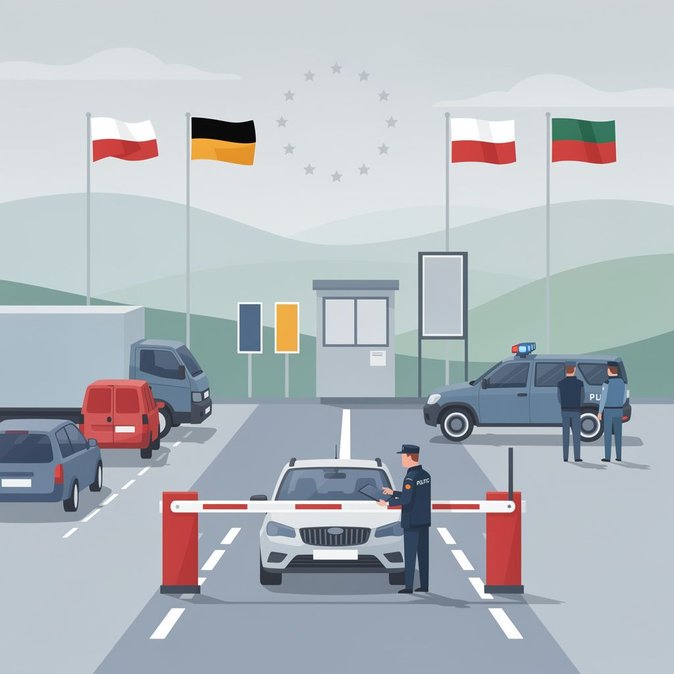
Polish authorities have deported a 44-year-old Ukrainian citizen deemed a threat to public order and have barred him from re-entering the entire Schengen Area until 2033. The decision, announced by the Border Guard on 7 July, followed cooperation between local police in Nowy Sącz and the Zakopane Border Guard post. The man, who held a valid temporary-stay permit, had multiple convictions for drink-driving and disorderly conduct. Police records show he caused a traffic collision with a blood-alcohol level exceeding 3 ‰ and was repeatedly fined for public-order offences. Under Poland’s 2023 amendments to the Foreigners Act, such behaviour qualifies as grounds for compulsory return when an individual “poses a real, present and sufficiently serious threat”. After an expedited administrative hearing, the Border Guard escorted the individual to the Medyka road crossing, where he was handed over to Ukrainian officials. The seven-year ban is entered into the Schengen Information System, meaning any attempt to enter another EU member state will trigger an alert. For employers of Ukrainian nationals—the largest group of foreign workers in Poland—the case underscores the importance of ongoing compliance monitoring. Companies sponsoring work permits are advised to incorporate criminal-record clauses into employment contracts and to remind employees that serious traffic offences can jeopardise their legal stay. On a policy level, the deportation reflects Warsaw’s tougher stance since last year’s “visa-gate” scandal, which prompted the Interior Ministry to promise tighter vetting and faster removal of non-compliant foreigners. While business groups support the clean-up, migrant-rights NGOs warn that broadened discretionary powers could lead to disproportionate bans for minor offences.
Source: Polish Border Guard