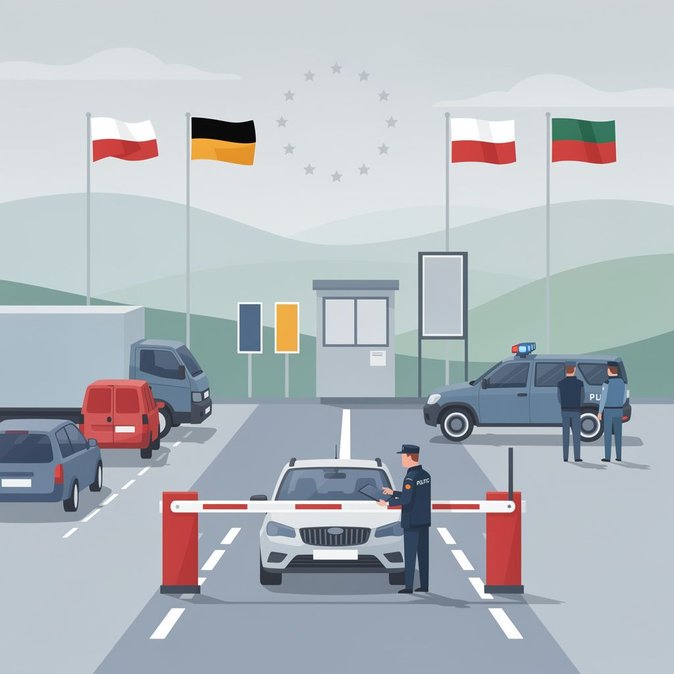
In a joint operation announced on 7 July, police in Nowy Sącz and officers of the Carpathian Border Guard escorted a 44-year-old Ukrainian man to the Medyka road crossing and removed him from Polish territory. The deportation follows an administrative decision by the Zakopane Border Guard station that the individual posed “a threat to public order and security”. According to the case file, the man held a valid Polish temporary-residence card but had amassed multiple convictions, including driving under the influence with a blood-alcohol level exceeding 3.0 ‰ and repeated public-order offences. Because his behaviour satisfied Article 303 of the Foreigners Act, officials not only ordered an immediate return but also imposed a seven-year prohibition on entering Poland and any other Schengen country. For corporate mobility teams the ruling is significant: employees who hold Polish residence permits are not immune from expulsion if they commit serious offences, and post-removal Schengen bans automatically invalidate any intra-EU mobility rights for the period concerned. Companies employing Ukrainian nationals should therefore include periodic compliance briefings on Polish criminal and administrative rules and offer support for addiction or welfare problems that could jeopardise immigration status. The incident also reinforces Poland’s hard-line stance on security-related removals at a time when the country hosts more than one million Ukrainian citizens. While most integrate successfully into the labour market, authorities are keen to demonstrate that public safety remains paramount and that abusive cases will be dealt with swiftly.
Source: Komenda Główna Straży Granicznej