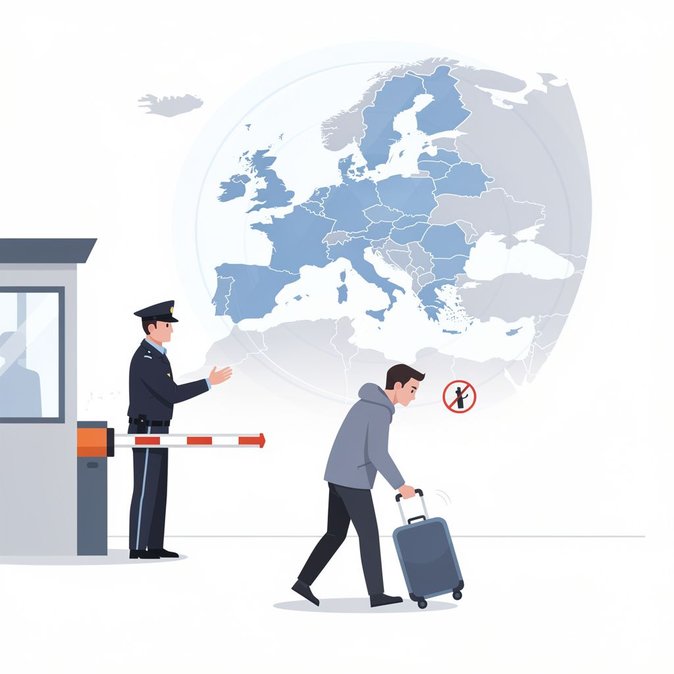
The Polish Border Guard announced on 7 July that a 44-year-old Ukrainian citizen was deported via the Medyka crossing and barred from entering Poland and the wider Schengen area for seven years. The man, who held a temporary residence permit, was deemed a threat to public order after multiple convictions—including a drink-driving incident with a 3-per-mille blood-alcohol level—and repeated police interventions for public disturbances. The case underscores the Interior Ministry’s tougher stance on foreigners with criminal records, introduced in the 2025 amendment to the Foreigners Act. Under the rules, residence permits can be revoked if the holder poses “a real and present danger to public security”, even when the original permit was lawfully issued. Employers who hire Ukrainian nationals under temporary protection or standard work permits are reminded that criminal conduct can trigger rapid removal orders, disrupting projects. HR teams should therefore expand compliance checks and remind employees of Polish legal standards, especially regarding road safety. For the broader Ukrainian community—about one million strong in Poland—the incident is a cautionary tale but not a change in policy: humanitarian and labour-market access remain intact. Nonetheless, migration lawyers expect more expulsions where offences involve alcohol or violence.
Source: Polish Border Guard