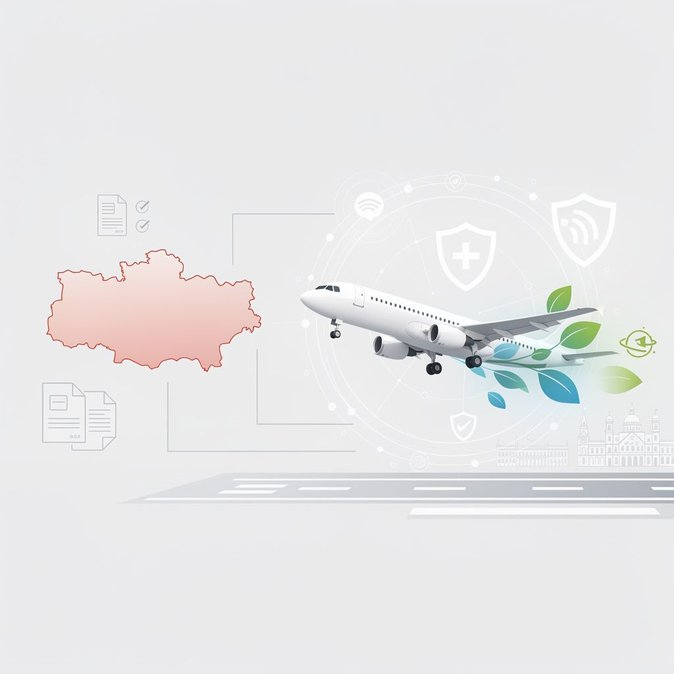
On 9 July 2026 Austria’s Federal Ministry for Innovation, Mobility and Infrastructure (BMIMI) convened the country’s first ever EASA-Industry Summit in Vienna. Senior officials from the European Union Aviation Safety Agency (EASA) sat down with leaders of Austrian Airlines, FACC, Frequentis, Vienna International Airport, Austro Control and other key players to chart a new, structured partnership between regulators and industry. The summit was triggered by mounting pressure on Europe’s aviation sector to certify new propulsion systems, launch low-carbon aircraft and digitalise air-traffic management more quickly—without compromising the EU’s gold-standard safety record. Austrian minister Peter Hanke set the tone by pledging to “build bridges between safety and innovation” and announced that Austria will intensify its work inside the EASA Simplification Board to eliminate red tape in approval and certification processes that add cost but no extra safety benefit. Concrete priorities were tabled. Stakeholders agreed to draw up regulatory “sandboxes” where emerging technologies—such as hydrogen fuel systems, autonomous cargo drones and AI-enabled air-traffic tools—can be tested under real-world conditions. The group also backed rapid implementation of Part-IS, the EU’s forthcoming aviation-cyber-resilience rule-set, and committed to joint research on non-CO₂ climate impacts of flying. Sustainable Aviation Fuel (SAF) supply chains featured prominently, with Austrian Airlines confirming plans to scale SAF uptake ahead of the EU’s 2028 blending mandate. For global-mobility managers and corporate travel buyers the initiative matters on two fronts. First, faster certification pipelines should bring next-generation aircraft into Austrian fleets sooner, promising lower emissions and potentially lower ticket taxes. Second, closer coordination between Austro Control, EASA and airport operators could shorten approval times for business-aviation slots and new route launches—critical for companies that rely on Vienna as a hub for Central and Eastern Europe. The participants closed the meeting by agreeing to make the EASA-Industry Summit an annual fixture and to publish a joint progress report before next summer’s ministerial Transport Council. If the action items stay on track, Austria could position itself as a model for how mid-sized EU member states can turn rigorous regulation into a competitive advantage for sustainable air mobility.