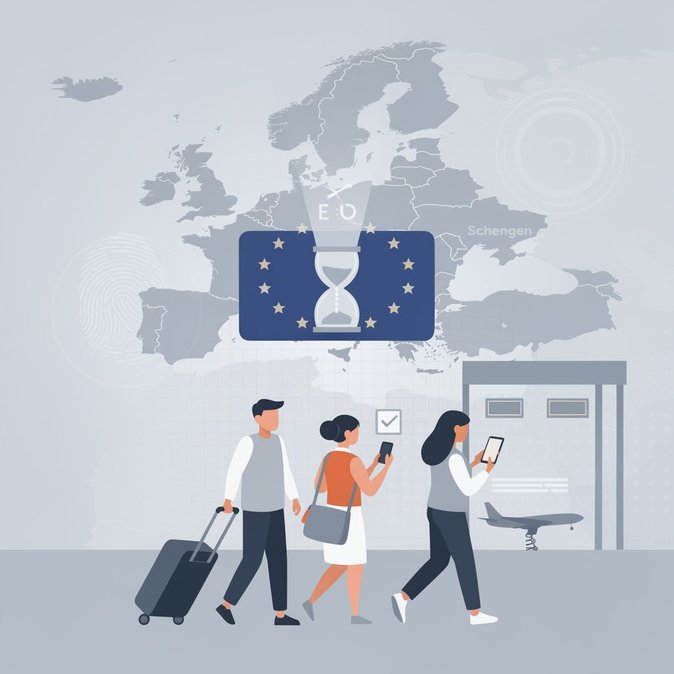
Multiple EU-lisa sources quoted by the Financial Times and aggregated by travel blog The MileLion on 11 July say the European Travel Information and Authorisation System (ETIAS) will be postponed until 2027, missing the previously advertised ‘late 2026’ go-live date. Officials blame technical glitches with the separate Entry/Exit biometric system (EES), which has already caused queues at some Schengen airports. For Czechia, the deferral removes immediate worries about an extra layer of bureaucracy for visa-exempt travellers from the U.S., U.K., Singapore and 50-plus other countries. Airlines flying into Prague had warned that training staff on two new systems in the same year risked significant disruption. Industry association A4E estimates that even a three-month stagger between EES and ETIAS would save carriers up to €600 million in contingency staffing. Mobility-programme administrators now have breathing space. Companies can slow the rollout of ETIAS awareness campaigns and redirect resources to ensuring staff understand the fingerprint-and-face-scan procedures already mandatory under EES when entering the EU from 10 April 2026. Czech border police confirmed they will maintain additional officers at Terminal 1 through the peak summer season, but do not expect to expand counters further until ETIAS date is confirmed. The postponement is not yet formal; the European Commission website still lists Q4 2026 as the target. EU-lisa’s management board meets in September to set a new timeline. Travellers should therefore monitor announcements, but HR teams can reasonably assume that no ETIAS applications will be required for trips to Czechia before early 2027. Budget forecasts should also adjust for the higher €20 fee—triple the original €7—once implementation finally proceeds.
Source: The MileLion / Financial Times