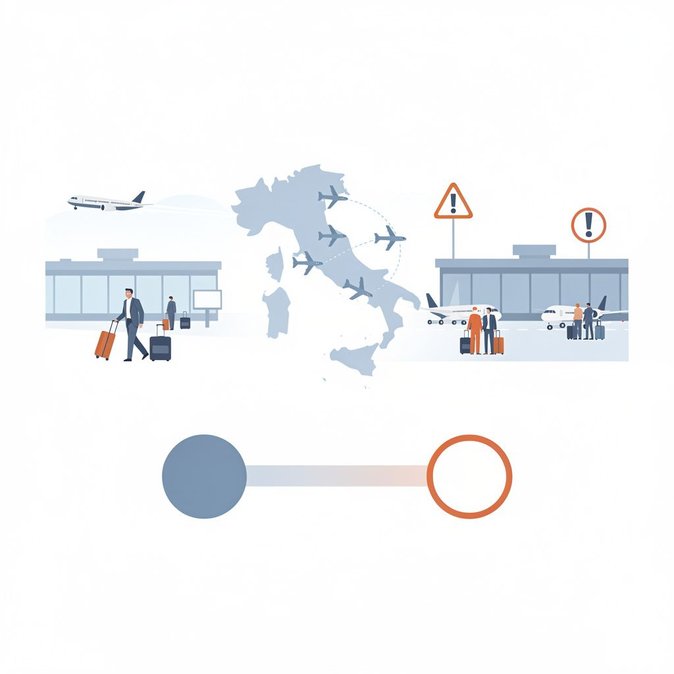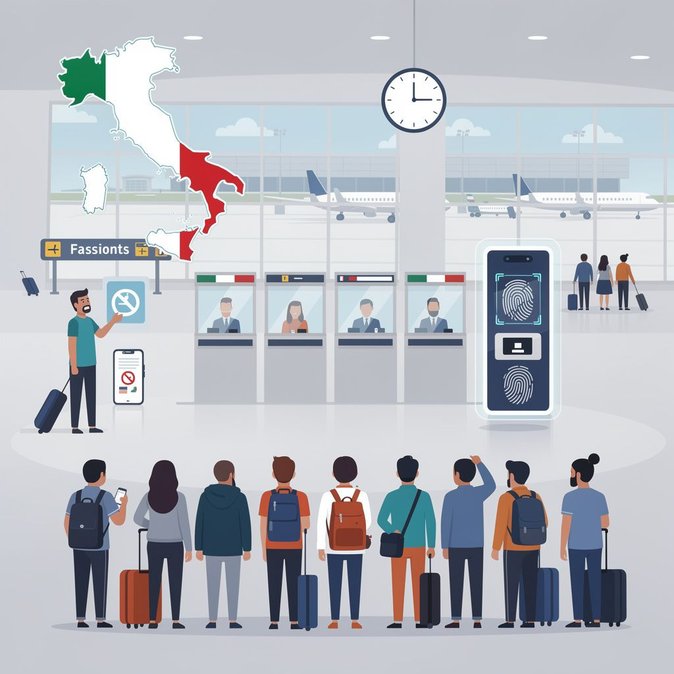
With the EU’s biometric Entry/Exit System (EES) fully in force since April, travellers are discovering that only a handful of Schengen members have activated the voluntary “Travel to Europe” pre-registration app designed by Frontex. According to an analysis published by The Local on 13 July, Sweden and Portugal are currently the only countries that allow passengers to upload their passport data and facial image before departure, trimming border-control times by up to 25 percent. Italy, by contrast, has yet to announce a launch date – a silence that worries airlines and airport operators as peak summer traffic begins. Italian hubs such as Rome-Fiumicino and Milan-Malpensa will now have to capture fingerprints and a live photograph from every non-EU short-stay visitor when they first enter the Schengen Area. Industry bodies fear the extra step could add several minutes per passenger and trigger bottlenecks that spill back into air-side departure zones. Carriers operating trans-Mediterranean services to Tunisia, Egypt and the Gulf – routes with high volumes of returning EU residents and third-country tourists – are considered particularly vulnerable. Frontex insists the app can be rolled out nationally in a matter of weeks, but officials at Italy’s Interior Ministry say a legal decree is still needed to authorise storage of biometric templates on domestic servers. In the meantime, the border police have hired 500 temporary staff and installed 60 additional manual booths, yet concede that "queuing times will depend on passenger cooperation". Corporate travel managers should alert non-EU assignees that first entry into Italy (or any other Schengen state without the app) will require fingerprints, face capture and a short questionnaire. Once registered, subsequent crossings only need a passport scan, but the initial process could jeopardise tight connections. Advising travellers to schedule longer layovers or choose connecting airports in Sweden or Portugal – where the app is live – may mitigate risk until Italy joins the scheme. Longer-term, pressure from ACI Europe and IATA may push Rome to accelerate digitalisation, especially with the 2026 Winter Olympics in Milan-Cortina expected to attract a surge in North American visitors.
Source: The Local