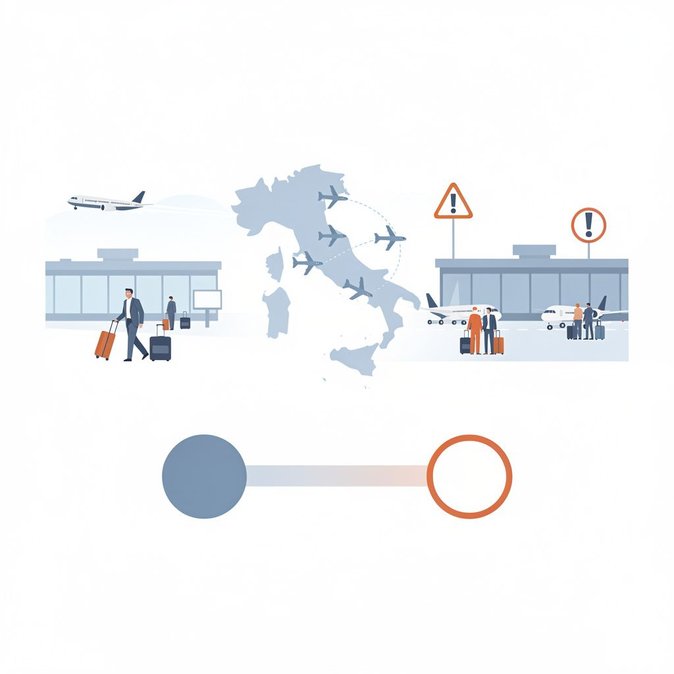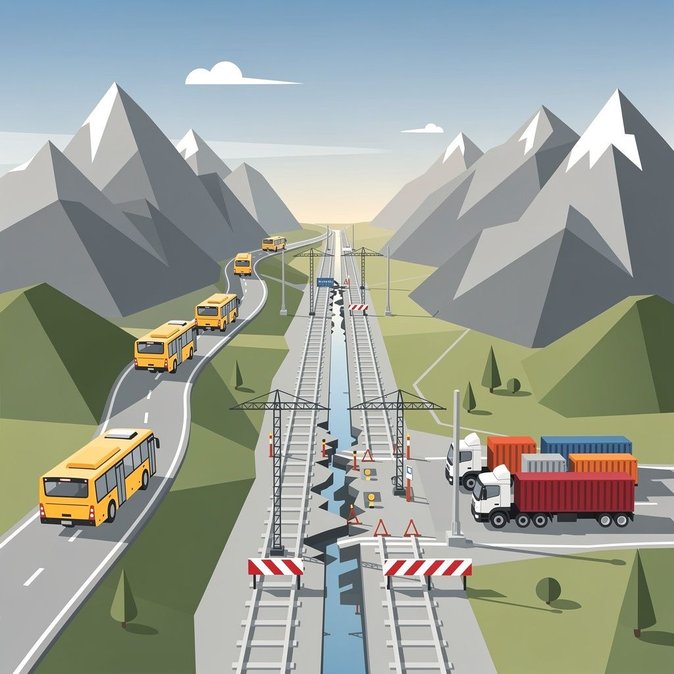
During a visit to Gorizia on 13 July 2026, League MEP Anna Maria Cisint urged the Italian government to eliminate irregular migration along the so-called Balkan route and to negotiate stronger Frontex deployments on the Union’s external land frontiers. Speaking after an inspection of Parco Piuma, where informal camps of asylum-seekers have appeared, Cisint said existing measures – including the temporary suspension of Schengen at the Italy-Slovenia crossing – had intercepted more than 6,000 migrants but were "insufficient to stem the flow". The MEP, who sits on the European Parliament’s Transport Committee, argued that land borders require different tools from the maritime hotspots off Sicily and Calabria. She proposed mobile identification units, expanded pre-removal centres and, where necessary, physical barriers on the Bosnia–Croatia line to prevent secondary movements towards Friuli-Venezia Giulia. Cisint claimed to have secured support from Under-Secretary for the Interior Nicola Molteni and said a technical meeting in Gorizia would be convened "within weeks". Her intervention comes as the EU finalises operational guidelines for the new Return Border Regulation, which obliges member states to fingerprint and photograph all irregular entrants within three days. For companies relocating staff through Trieste or Udine, the political debate signals that spot checks and random stops on the A4 and A34 motorways may continue throughout the summer, potentially lengthening ground-transport times. Logistics providers moving time-critical goods between Italy, Slovenia and Austria should factor the possibility of additional documentary inspections into delivery schedules. Human-rights NGOs criticised the proposal, warning that push-backs risk breaching EU asylum law. Nonetheless, the call illustrates growing domestic pressure for tougher land-border management – an issue likely to surface in Italy’s 2027 presidency of the Council of the EU.
Source: Trieste Café