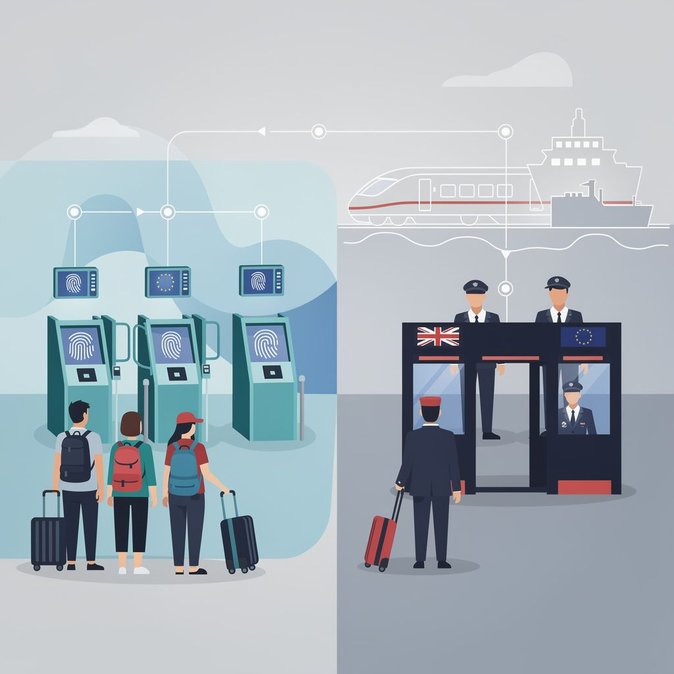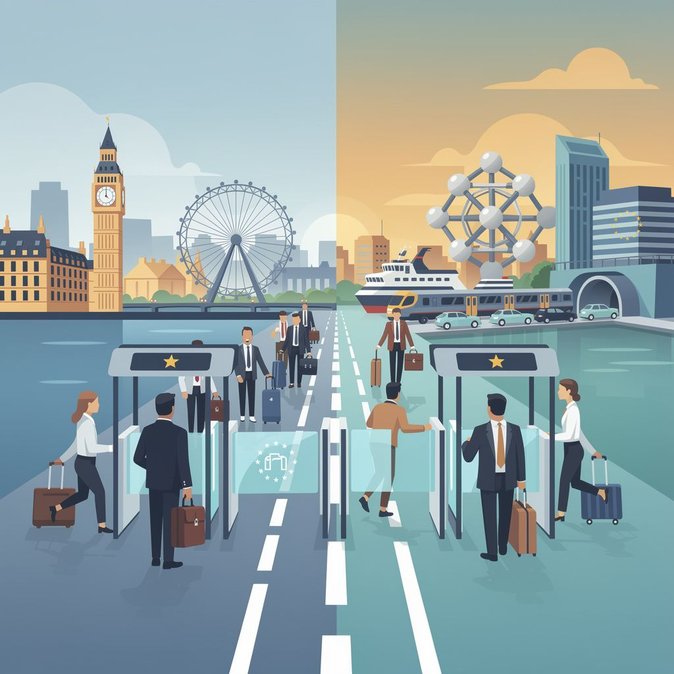
The UK Department for Transport confirmed on 14 July that Transport Secretary Heidi Alexander reached an agreement with EU Commissioner Apostolos Tzitzikostas to coordinate the roll-out of the European Entry/Exit System (EES) ahead of the peak holiday season. The talks focused on reducing queue times at juxtaposed controls such as Eurostar Brussels-Midi and ferry terminals serving the Port of Dover, key gateways for British visitors to Belgium. Under the plan, the UK will invest an additional £20 million in passport-check booths at Dover, on top of £10.5 million previously earmarked for Eurostar and Eurotunnel facilities. In parallel, Belgian Federal Police have been authorised to deploy extra border officers at Brussels-Midi to process biometric enrolment for non-EU nationals when EES becomes mandatory for all third-country travellers in October 2026. Travel-management companies see the announcement as a positive step: corporate trips between London and Brussels account for roughly one-third of Eurostar’s weekday bookings, and any bottleneck could cost firms thousands in lost billable hours. Eurostar says it will pilot mobile self-service kiosks in its Brussels lounge from August to capture fingerprints and facial images before passengers reach the platform. Yet concerns remain over data privacy and processing times for large conferences. The Brussels Convention Bureau predicts a record 150,000 UK delegates will attend events in the capital in the second half of 2026; organisers are lobbying for group-pre-registration options to avoid coachload-long waits. Businesses are advised to update traveller profiles with machine-readable passport scans and to schedule outbound journeys with at least a 60-minute EES buffer until the system stabilises. Frequent-traveller fingerprints will be valid for three years, meaning early registrants could enjoy faster lanes for future trips.
Source: UK Department for Transport