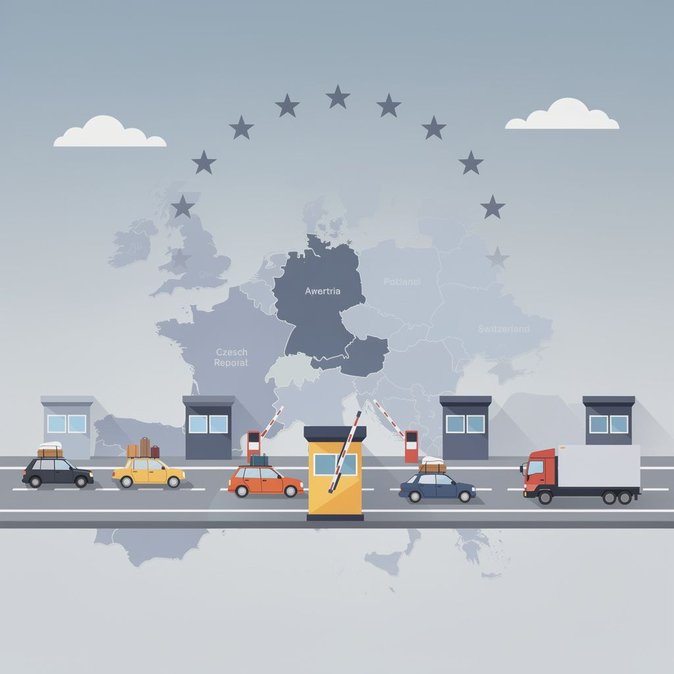
Travel insiders reported on 16 July that Brussels is ready to push back the start of the European Travel Information and Authorisation System (ETIAS) to early 2027, a further delay from the ‘late 2026’ target confirmed only months ago. According to sector blog Nomad Lawyer, EU-agency eu-LISA has advised the Commission that technical resources are tied up fixing bottlenecks in the Entry/Exit System (EES), which went fully live for non-EU nationals in April. The decision—yet to be formally endorsed by the Council—matters greatly for Germany, the Schengen state with the highest volume of visa-exempt long-haul travellers after France and Spain. Frankfurt Airport processed 4.8 million third-country arrivals in 2025; each would eventually have required a paid ETIAS authorisation. A further postponement gives German carriers and airports more time to adapt check-in systems and staff training. Business-travel managers welcomed the news. “We were bracing for another change-management exercise in the middle of peak season,” said Sabine Lange, Global Mobility Lead at BASF. “A 2027 go-live helps us integrate ETIAS into our annual compliance cycle instead of running ad hoc webinars.” Nonetheless, companies should not shelve preparations: airlines must still verify ETIAS approval at boarding once the system starts, and travellers without it will be denied carriage. Employers are advised to add ETIAS reminders to assignment letter templates and traveller checklists so the requirement can be activated quickly when the final date is confirmed. The delay will also defer the EU’s plan to levy a €20 fee per traveller, postponing projected revenues of roughly €13 million per month that were earmarked for border-management upgrades, including Germany’s EasyPASS automated gates.
Source: Nomad Lawyer