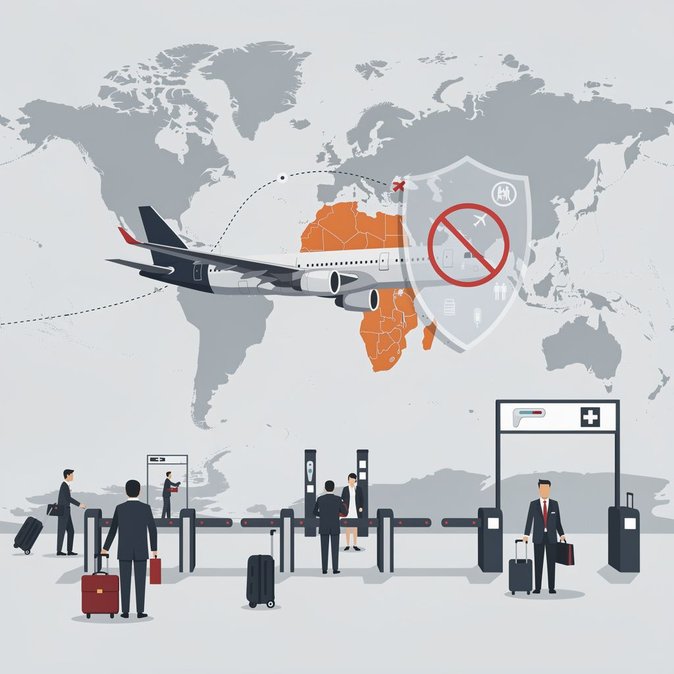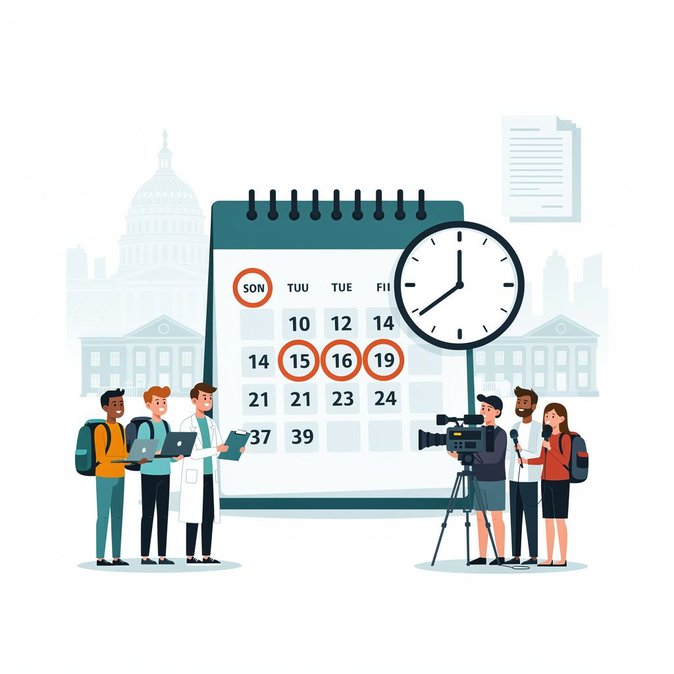
In one of the most consequential visa rule changes in years, the U.S. Department of Homeland Security (DHS) on 16 July 2026 published a final regulation that replaces the long-standing “duration-of-status” model for F-1 students, J-1 exchange visitors and I-1 foreign media with a hard stop on the length of stay. Beginning 60 days after Federal Register publication, most F-1 and J-1 visas will be capped at four years, while I-1 visas will be limited to 240 days—90 days for Chinese nationals. Holders must leave the country or apply to U.S. Citizenship and Immigration Services (USCIS) for an extension before the end date appears on the new Form I-94. The rule is part of President Donald Trump’s second-term effort to tighten controls on both legal and illegal immigration. DHS argues that the open-ended “duration-of-status” framework, in place since 1975, makes it difficult to monitor the more than 1.8 million student-visa admissions and 500,000 exchange visitors recorded in FY 2024. Under the new system, students will have only 30 days—down from 60—to depart the United States after completing their course of study. Graduate students may no longer change academic objectives or transfer schools without prior authorization, and all categories face stricter limits on on-line study and off-campus employment. Universities, media companies and business groups warn that the fixed end‐date will deter talent, create administrative backlogs and shorten the recruiting runway for U.S. employers. Higher-education associations point out that international students contributed an estimated $39 billion to the U.S. economy last year and worry that rival destinations such as Canada and the United Kingdom will gain market share. Media organizations have criticised the 240-day (and 90-day for Chinese journalists) ceiling as unworkable for bureaus that operate on multi-year assignments and require frequent cross-border travel. Practically, employers should prepare for a surge in change-of-status and extension filings, and advise foreign staff to track their I-94 expiry rather than visa validity. Schools will need to revise SEVIS issuance and transfer procedures, and HR teams should build in compliance reminders for graduates who hope to move into Optional Practical Training or H-1B status. Companies with rotational or internship programmes should also note that J-1 participants will no longer have the flexibility to prolong stays for project continuity. Although litigation is expected, for now the rule underscores the administration’s broader message: every non-immigrant category will be re-evaluated through the lens of national security and labour-market protection. Organisations that rely on global mobility should audit their student- and media-visa populations quickly and budget for higher legal and filing costs in the coming year.
Source: Reuters