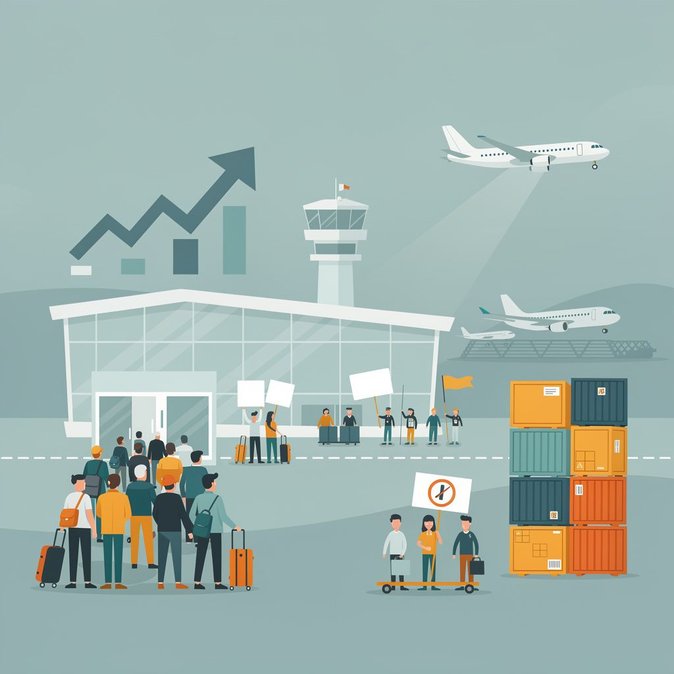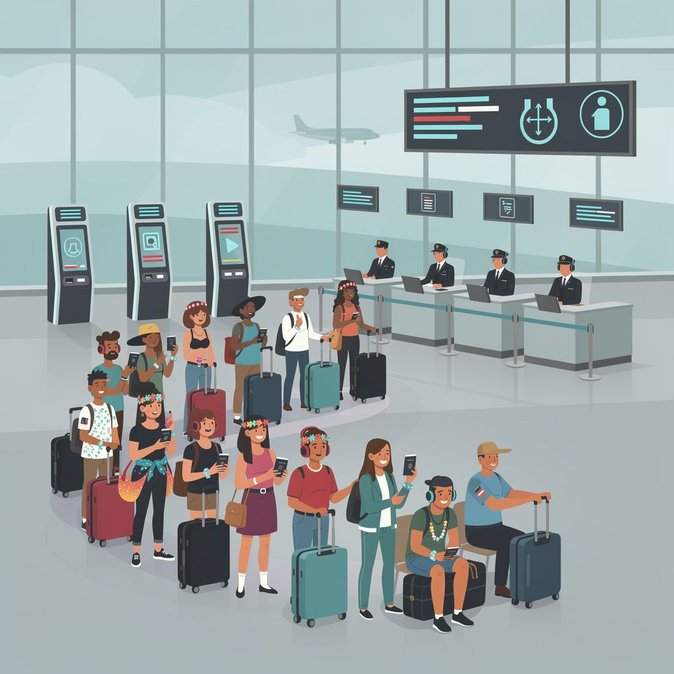
International visitors pouring into Belgium for the first weekend of Tomorrowland – one of the world’s largest dance-music festivals – were met with unprecedented passport queues at Brussels Airport on Friday, 17 July. Social-media posts and eyewitness accounts describe non-EU travellers waiting three to five hours to clear border formalities, with federal-police officers on site reportedly warning of even longer delays later in the day. The bottleneck coincides with the first peak-season test of the EU’s new Entry/Exit System (EES), which became fully operational on 10 April. EES replaces manual passport stamping with a biometric check that captures fingerprints and a facial image from every non-EU national entering or leaving the Schengen area. While the system is designed to strengthen security and reduce overstays, the additional enrolment step has lengthened processing times across Europe. Brussels Airport had installed 61 self-service kiosks and hired extra stewards in anticipation, but a shortage of federal-police staff – estimated at 25 % below requirements – left many booths unmanned during Friday’s morning rush. The timing could hardly be worse for Belgium’s tourism and events industry. Tomorrowland alone brings more than 400,000 visitors (about half from outside the EU) over two consecutive weekends, generating an estimated €100 million in local spending. Airlines and tour operators offering festival packages – some with tight same-day coach transfers – scrambled to re-route passengers through Amsterdam and Paris or advised clients to allow at least six hours between landing and onward connections. Corporate mobility managers are also feeling the impact. Several multinationals with European headquarters in Brussels reported missed meetings and re-scheduled training sessions for American and Asian staff arriving this week. Immigration advisers are urging employers to brief travellers on the new procedures, pre-register biometrics where possible, and avoid last-minute itineraries through Brussels until staffing levels stabilise. Belgium’s Interior and Mobility ministries reiterated that EES is an EU-wide obligation but acknowledged the “teething problems”. A working group, including Brussels Airport, the federal police and the Immigration Office, will meet on Monday to consider temporary measures such as dedicating additional officers to the manual counters and expanding the use of electronic gates to low-risk nationals. Stakeholders warn, however, that queues could persist throughout the summer unless a longer-term staffing solution is found.
Source: EDMTunes