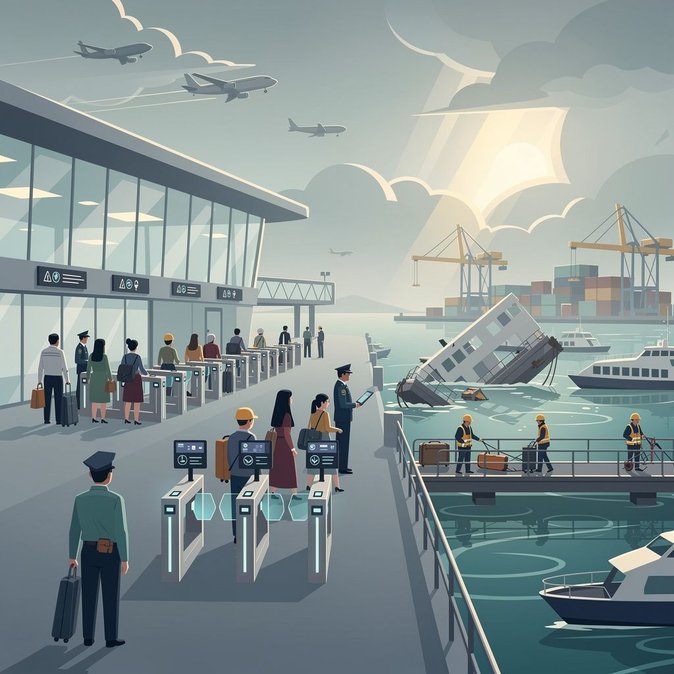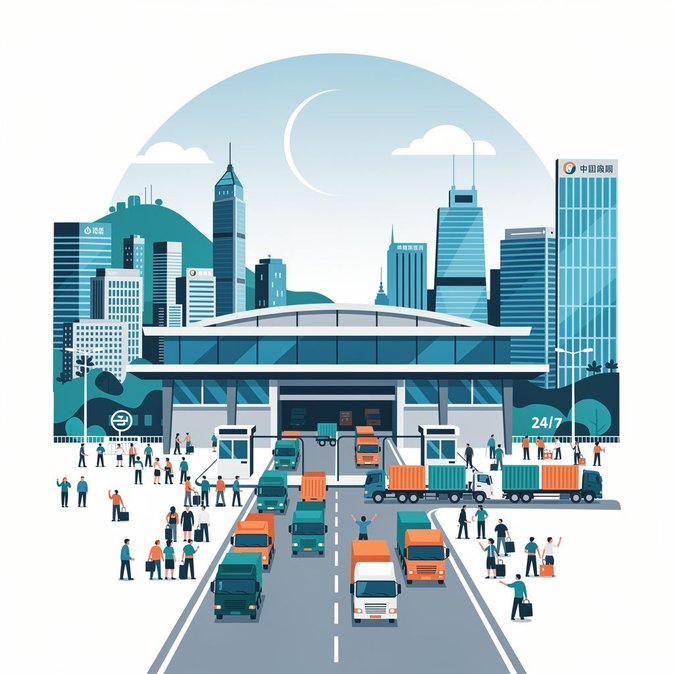
After a four-hour special session on 17 July, Hong Kong’s Legislative Council passed the Huanggang Port Hong Kong Port Area Bill, creating the legal architecture for a new 700,000-square-metre land crossing east of the current Lok Ma Chau/Futian point. Once commissioned—target date 31 July—the port will employ a co-location immigration model that lets travellers clear both Hong Kong and mainland border formalities in a single five-minute pass, slashing wait times and boosting capacity to 200,000 passenger trips and 15,000 vehicles per day. For Greater Bay Area commuters and cross-border truckers, the 24-hour checkpoint promises to be a game-changer, easing congestion at Shenzhen Bay and Lok Ma Chau and providing redundancy when weather or security incidents disrupt other crossings. The Transport Department is already lining up seven bus routes, six green-minibus lines and augmented cross-boundary coach services, while Shenzhen Metro Line 7 will link directly to the facility. Businesses with manufacturing operations in Guangdong but management teams in Hong Kong stand to gain most. “Door-to-door trucking windows will widen, and same-day executive shuttles between Qianhai tech parks and Central’s boardrooms become realistic,” notes a supply-chain director at a U.S. electronics firm. Customs brokers, however, caution that new digital inspection systems could require advance cargo manifest uploads and stricter data-sharing. Security Secretary Chris Tang said joint system tests and emergency drills will run through late July. Companies should monitor gazetted guidelines on vehicle permit quotas and biometric enrolment, as co-location models typically mandate pre-registration of drivers and licence plates.
Source: China Daily Hong Kong