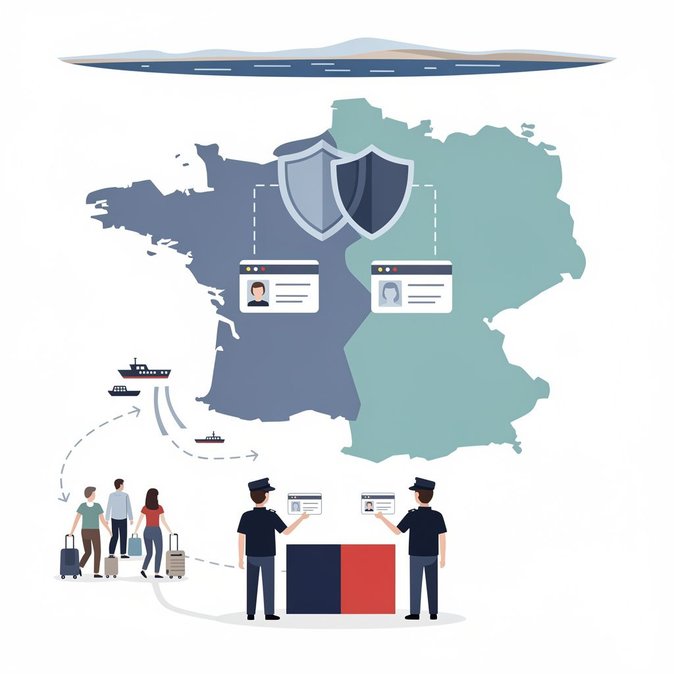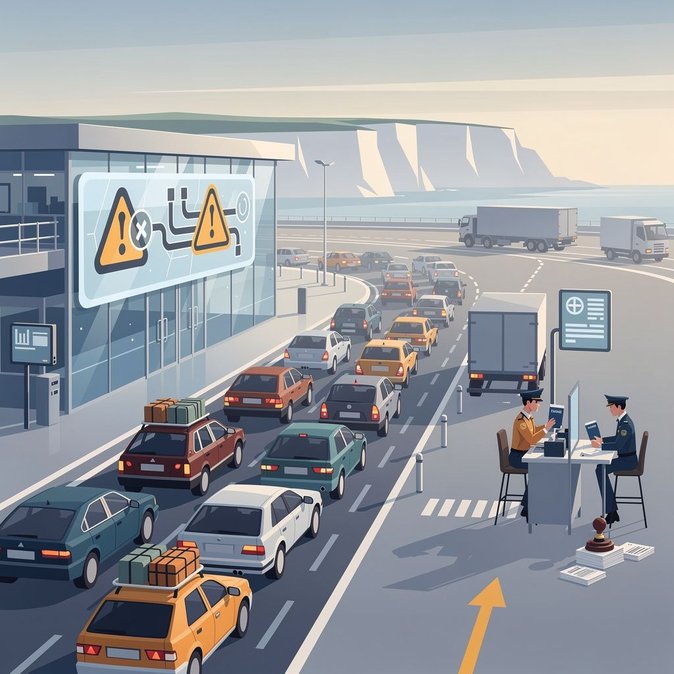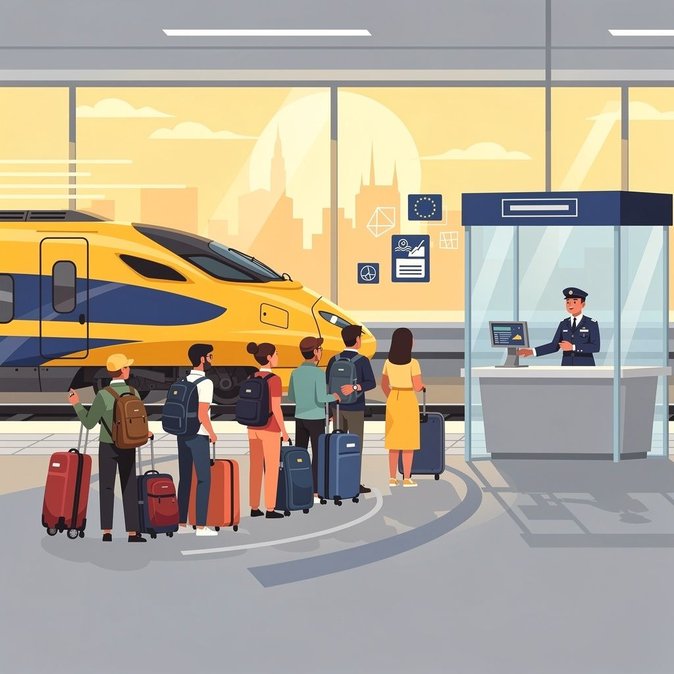
Eurostar has issued a live travel update advising passengers of significant delays at Brussels-Midi and within the Channel Tunnel on 17 July, citing “EU border control procedures.” Services between London, Paris and Amsterdam are affected, with some trains departing up to 60 minutes late. The operator blames a combination of manual EES data-entry and heavy holiday demand; engineering works on the Dutch network have compounded the backlog, forcing the cancellation of several evening rotations. Unlike air travel, the EES registration for Eurostar takes place before boarding, and any glitch instantly lengthens dwell time at check-in. Eurostar stations have finite platform capacity—once one service is late, others queue behind it. Corporate travellers with same-day meetings in Paris or Brussels should consider morning departures or, where possible, switch to flights from London City to Paris-Orly, which have shown better on-time performance this week. Eurostar has promised to maintain ticket flexibility, allowing rebooking within 14 days at no extra cost. Business-class passengers can access the lounge even if their train is delayed; standard-class travellers are advised to bring refreshments as onboard catering stocks are stretched by the extended journey times. In the medium term, Eurostar plans to roll out self-service biometric kiosks at London St Pancras once the French data servers stabilise. Until then, the operator will cap passenger numbers on certain peak departures to keep queuing times within 45 minutes. Mobility managers should factor potential two-hour station dwell times into itineraries until further notice. The disruptions highlight the ripple effects of the EES rollout across all modes of cross-Channel transport and reinforce calls for a phased implementation until the technology proves reliable under real-world loads.
Source: Eurostar Travel Updates