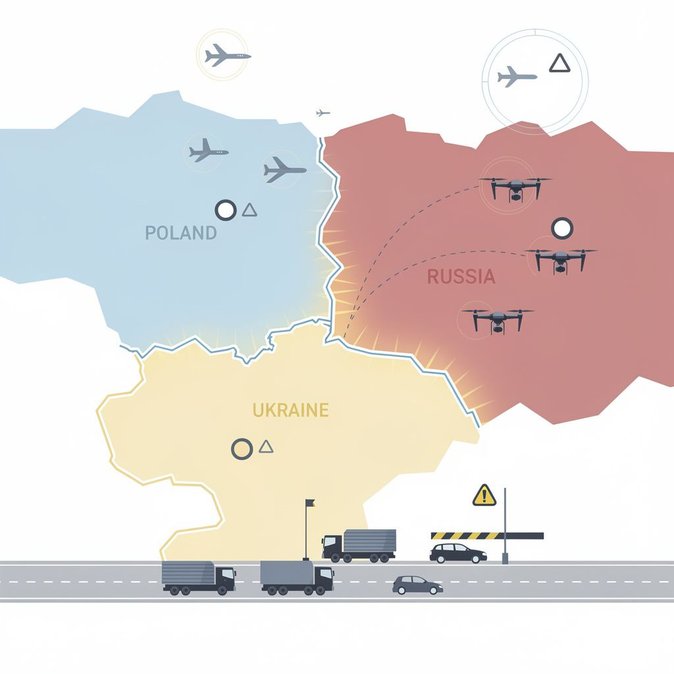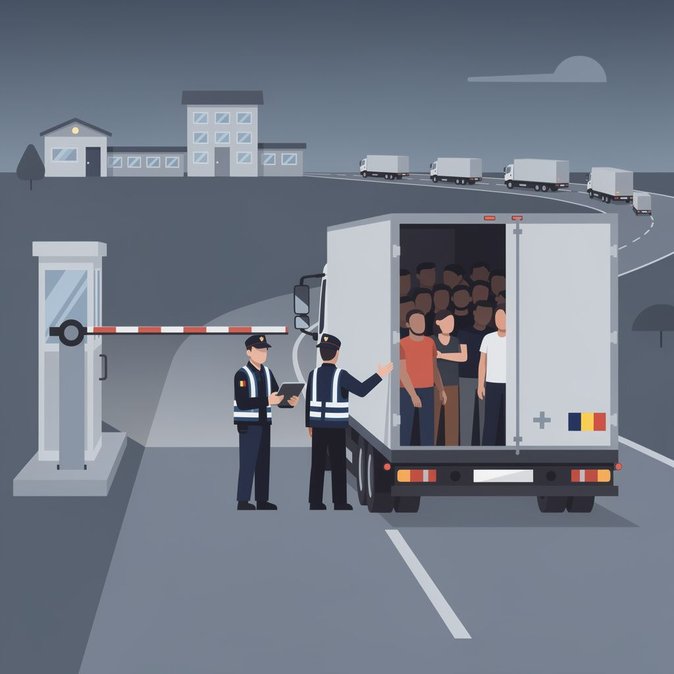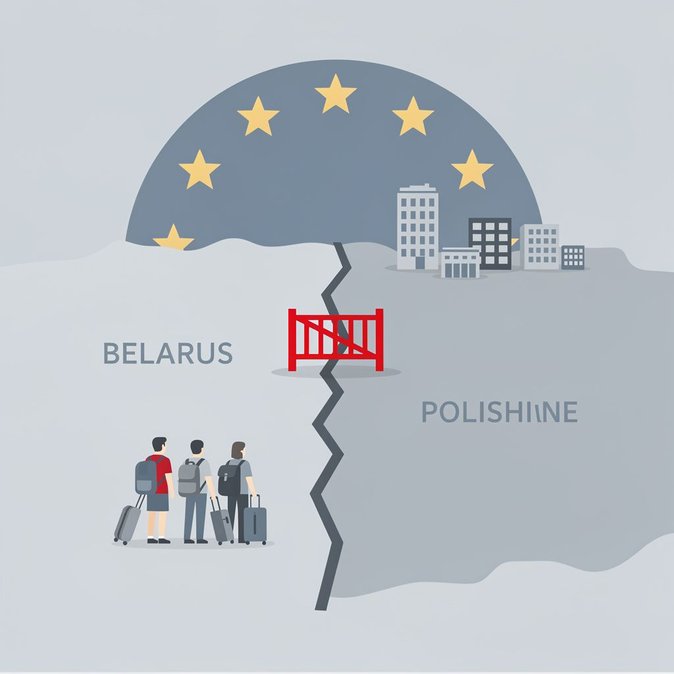
As of 00:00 on 20 July Poland has renewed its exceptional ban on lodging asylum claims at border posts along the 418-kilometre frontier with Belarus. The Council of Ministers’ regulation (Journal of Laws 2026, item 945) prolongs a measure first introduced in March 2025; it will now run for another 60 days, to 18 September 2026. Only unaccompanied minors, pregnant women, persons requiring urgent medical care, individuals at proven risk in Belarus and Belarusian nationals themselves are exempt. The government argues the restriction is necessary to counter what it calls Minsk’s "state-orchestrated irregular migration route" into the EU. Interior Minister Agnieszka Nowak told reporters that border apprehensions dropped by 82 % during the previous 60-day cycle. Human-rights NGOs criticise the policy as a de-facto push-back regime that contravenes EU asylum law, but Warsaw points to Article 347a of its 2013 Foreigners Act, which allows temporary suspension of applications in cases of "threat to state security or public order." For employers, the renewal poses hurdles for Belarus-based staff who had planned to claim protection at the land border before taking up roles inside Poland. Mobility managers should advise affected employees to apply instead at Polish consulates abroad or consider humanitarian visas issued under the Poland-Belarus facilitation scheme. Logistics firms should anticipate potential pick-up in attempted irregular crossings through cargo vehicles, prompting tighter truck inspections and longer dwell times at Kuźnica and Koroszczyn. The extension also interacts with Poland’s new electronic residence-permit portal (MOS), which requires in-country applicants to hold a legal basis for stay. Advisers note that individuals turned away at the border cannot regularise their status online and must restart the process outside the EU. Companies running just-in-time projects with Belarusian contractors should therefore reassess project timelines and explore remote-work contingencies. At EU level, Brussels is watching closely: the European Commission’s June infringement package kept Poland under "pre-litigation monitoring" but stopped short of formal action, pending today’s decision. Should the ban continue into the autumn, legal experts expect renewed pressure from the Commission and the Court of Justice, raising compliance risks for firms that facilitate border entries outside the limited exemptions.